
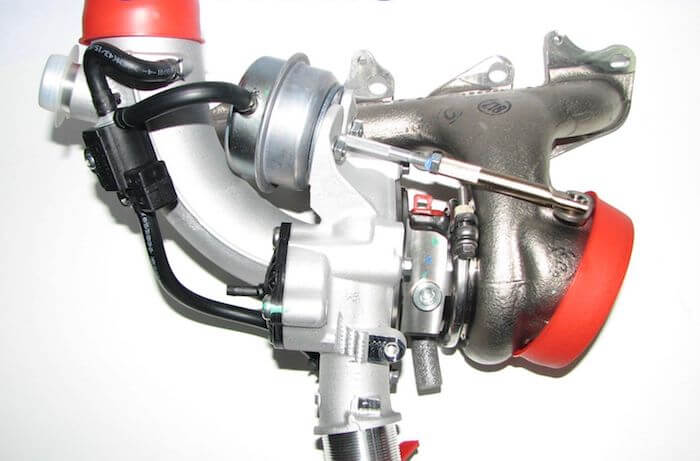
In this section, we will address the P0299 error and provide you with a comprehensive guide to resolve underboost issues related to your vehicle’s turbocharger. We will present you with practical solutions and expert advice to help you fix this problem.
Key Points to Remember
- The P0299 error is related to underboost of the turbocharger in your vehicle.
- Common symptoms of turbocharger underboost may include loss of power, increased fuel consumption, and abnormal turbocharger noise.
- To properly diagnose the P0299 error, it is essential to follow the recommended diagnostic steps.
- Common causes of the P0299 error can include air leaks, boost pressure sensor problems, and exhaust restrictions.
- Follow our practical solutions to resolve the P0299 error, based on the underlying cause.
Understanding the P0299 Error
To effectively resolve the P0299 error, it is essential to understand its causes and its impact on your vehicle’s turbocharger pressure. In this section, we will explain in detail the likely reasons for this error and why it can lead to turbocharger underboost.
The P0299 error, also known as “turbocharger underboost error,” occurs when your vehicle’s turbocharger does not provide the necessary amount of air to maintain proper pressure in the boost system. This can result in decreased performance, increased fuel consumption, and other mechanical issues.
The potential causes of the P0299 error can be multiple. It could be a malfunction of the turbocharger pressure sensor, a problem with the turbocharger wastegate, an air leak in the boost system, or other factors related to engine management.
Understanding these causes is essential to effectively resolve the P0299 error. By knowing the likely reasons for this error, you can take the necessary steps to repair your vehicle.
It is important to note that understanding the P0299 error does not replace a professional diagnosis. If you are unsure of the cause of this error or do not feel comfortable performing the necessary repairs, it is always recommended to consult a qualified mechanic.
Symptoms of Turbocharger Underboost
Your vehicle may exhibit several symptoms indicating turbocharger underboost. It is essential to recognize these signs to properly diagnose the problem. Here are some common symptoms that may alert you:
- Loss of Power: You may notice a decrease in your engine’s power. Your vehicle may seem less responsive during acceleration or have difficulty maintaining a constant speed.
- Excessive Smoke: If you observe black or blue smoke coming from the exhaust, this may be a sign of turbocharger underboost. This indicates that the turbocharger is not providing the correct amount of air to the engine.
- Excessive Fuel Consumption: Turbocharger underboost can lead to increased fuel consumption. You might notice that you need to refuel more frequently than usual.
- Abnormal Noises: Unusual noises coming from the engine compartment may indicate an underboost problem. Listen carefully for whistling, rattling, or strange rumbling sounds.
It is important to note that these symptoms can also be caused by other mechanical problems. Therefore, it is recommended to consult an automotive mechanic expert for an accurate diagnosis.
Diagnosing the P0299 Error
To effectively resolve the P0299 error, it is essential to properly diagnose the problem. Follow these diagnostic steps to determine the underlying cause of the P0299 error:
- Check Error Codes: Use an automotive diagnostic tool to read the error codes stored in your vehicle’s onboard computer. Note all relevant codes to facilitate the diagnostic process.
- Examine Symptoms: Identify the specific symptoms accompanying the P0299 error, such as loss of power, black smoke, or slow acceleration. This information can provide important clues about the cause of the problem.
- Check Boost System Components: Visually inspect the components of the boost system, such as the turbocharger, wastegate, and air lines. Look for signs of leaks, damage, or malfunctions that could cause underboost.
- Check Turbo Pressure: Use a pressure gauge to measure the turbocharger pressure. Compare the readings with the manufacturer’s recommended specifications to determine if the pressure is within the normal range.
- Examine Sensors: Check the sensors associated with the boost system, such as the Manifold Absolute Pressure (MAP) sensor and the boost pressure sensor. Ensure they are functioning correctly and sending accurate signals to the onboard computer.
Once you have performed these diagnostic steps, you will be able to more effectively target the underlying cause of the P0299 error. This will facilitate finding the appropriate solution to resolve this turbocharger underboost problem.
Common Causes of the P0299 Error
The causes of the P0299 error can vary from one vehicle to another. In this section, we will present the common causes of this error and explain in detail why they can lead to turbocharger underboost. Understanding these causes will help you more effectively target the appropriate solution.
1. Air Leak in the Intake System
An air leak in the intake system can lead to a loss of pressure, triggering the P0299 error. Faulty seals, cracked hoses, or leaks at connections can compromise the intake system’s seal. Air can escape before reaching the engine, resulting in turbocharger underboost.
2. Turbocharger Pressure Sensor Malfunction
The turbocharger pressure sensor is responsible for measuring the pressure generated by the turbocharger. A malfunction of this sensor can lead to a measurement error, which can trigger the P0299 error. If the sensor indicates a pressure lower than the actual pressure, the engine management system may think there is turbocharger underboost.
3. Turbocharger Clogging or Malfunction
Clogging of the turbocharger due to carbon deposit buildup or a mechanical malfunction can lead to a loss of turbocharger efficiency. This can cause underboost and trigger the P0299 error. Clogging can be caused by insufficient lubrication, unsuitable driving conditions, or prolonged use at low speeds.
4. Fuel or Injection System Problems
Problems with the fuel or injection system can disrupt the proper functioning of the engine and cause turbocharger underboost. A poor air-fuel mixture, a clogged fuel filter, or dirty injectors can impact engine power and lead to the P0299 error.
5. Poor Vehicle Maintenance
Insufficient vehicle maintenance, such as skipping regular oil changes, not replacing dirty air filters, or lack of cleaning the intake system, can cause problems that lead to turbocharger underboost. Poor maintenance can also contribute to other causes mentioned previously, thus worsening the P0299 error.
It is essential to properly diagnose the specific cause of the P0299 error to effectively resolve the turbocharger underboost problem. By understanding these common causes, you will be able to take the necessary steps to resolve the error and maintain your vehicle’s proper functioning.
Practical Solutions to Resolve the P0299 Error
Now that you have identified the cause of the error, it is time to move on to practical solutions to resolve the P0299 error related to your vehicle’s turbocharger underboost. In this section, we will offer you several methods and expert tips to help you fix this problem.
Check Turbocharger Hoses and Connections
One of the common causes of the P0299 error is an air leak in the turbocharger hoses or connections. Carefully check these components for any breaks, leaks, or disconnections. If you find a problem, repair it or replace the defective parts according to your vehicle manufacturer’s recommendations.
Clean the Air Intake System
Excessive carbon or dirt buildup in the air intake system can lead to turbocharger underboost. Regularly clean the air intake system with appropriate cleaning products to remove deposits and ensure optimal airflow. Follow the cleaning product manufacturer’s instructions and take the necessary safety measures.
Check Sensors and Solenoids
Faulty sensors and solenoids can also cause the P0299 error. Check the condition of these components and replace them if necessary. Be sure to choose high-quality replacement parts compatible with your vehicle. Perform the required adjustments and calibrations after replacing sensors or solenoids.
Check the Turbocharger Condition
A damaged or worn turbocharger can cause underboost and trigger the P0299 error. If all other solutions fail, it may be necessary to have the turbocharger condition checked by an automotive mechanic expert. If the turbocharger is defective, it will need to be repaired or replaced according to the professional’s recommendations.
Perform Engine Tuning or Reprogramming
Sometimes, the P0299 error can be resolved by performing engine tuning or reprogramming. Consult a qualified and experienced mechanic to perform this operation. Be sure to choose a trusted professional who has the knowledge and tools necessary to perform proper engine tuning or reprogramming.
| Practical Solutions to Resolve the P0299 Error | Description |
|---|---|
| Check Turbocharger Hoses and Connections | Check the turbocharger system components for leaks or breaks and perform appropriate repairs or replacements. |
| Clean the Air Intake System | Remove carbon or dirt deposits in the air intake system to optimize airflow. |
| Check Sensors and Solenoids | Check the condition of sensors and solenoids and replace them if necessary. |
| Check the Turbocharger Condition | Have the turbocharger checked by a professional if the problem persists. |
| Perform Engine Tuning or Reprogramming | Consult a qualified mechanic to perform engine tuning or reprogramming if necessary. |
Follow these practical solutions step by step to resolve the P0299 error and put an end to your vehicle’s turbocharger underboost. Keep in mind that some solutions may require technical knowledge and specific skills, so do not hesitate to call a professional if you have doubts or difficulties during repairs.
Preventing the P0299 Error in the Future
To prevent the P0299 error from recurring in the future and to maintain your turbocharger’s proper functioning, it is essential to take appropriate preventive measures. Here are some tips and recommendations to help you:
- Use high-quality engine oil and adhere to the oil change intervals recommended by the manufacturer. Proper lubrication of the turbocharger reduces the chances of underboost.
- Regularly check the condition and functioning of your air intake system. Leaks or obstructions can lead to a loss of pressure in the turbocharger.
- Ensure your vehicle is fueled with quality fuel and use fuel suitable for the turbo engine. Poor-quality fuels can damage the turbocharger and cause errors.
- Avoid over-revving and aggressive driving that can lead to turbocharger overheating. Follow the manufacturer’s recommendations regarding driving and speed limits.
- If you notice symptoms of turbocharger underboost, such as loss of power or abnormal noises, immediately consult a qualified mechanic to diagnose and resolve the problem before it worsens.
Preventing the P0299 error requires regular attention to your vehicle’s maintenance and observing signs of underboost. By taking these preventive measures, you can avoid the inconveniences associated with this error and preserve your turbocharger’s performance in the long term.
| Prevention Measures | Benefits |
|---|---|
| Use high-quality engine oil and adhere to recommended oil change intervals | Adequate lubrication reduces the risk of underboost |
| Regularly check the condition and functioning of your air intake system | Prevents leaks or obstructions that affect turbocharger pressure |
| Use quality fuel suitable for the turbo engine | Avoids damage to the turbocharger |
| Drive responsibly and avoid over-revving | Prevents turbocharger overheating |
| Consult a qualified mechanic in case of underboost symptoms | Avoids serious problems related to the P0299 error |
Turbocharger Maintenance Tips
Regular maintenance of the turbocharger is essential to extend its lifespan and avoid underboost problems. Here are some practical tips to keep your turbocharger in good working order:
1. Adhere to Oil Change Intervals
Clean, quality oil is crucial for the proper functioning of the turbocharger. Ensure you adhere to the oil change intervals recommended by your vehicle manufacturer. This will guarantee optimal lubrication of the turbocharger and prevent the accumulation of harmful deposits.
2. Use Quality Fuel
Poor-quality fuel can damage your turbocharger. Be sure to use only quality fuel from reputable gas stations. Also, avoid letting the fuel tank run completely empty, as this can lead to dirt and debris being drawn into the fuel system.
3. Let the Engine Idle Before Shutting It Off
Before turning off your vehicle’s engine, let it idle for a few minutes. This will allow the turbocharger to cool down gradually, thus avoiding a sudden oil cutoff that can damage internal components.
4. Avoid Sudden Acceleration and Over-Revving
Sudden acceleration and over-revving can subject your turbocharger to excessive stress, increasing the risk of damage. Drive responsibly by avoiding violent gear changes and excessive acceleration.
5. Have Your Turbocharger Regularly Inspected by a Professional
To ensure your turbocharger is functioning correctly, it is recommended to have it regularly inspected by a professional. They can detect potential problems before they become more serious and costly to repair.
Following these maintenance tips for the turbocharger will help you keep your boost system in good working order and prevent P0299 errors. Remember that regular maintenance is the key to a high-performing and reliable turbocharger.
Consult an Automotive Mechanic Expert
If you do not feel comfortable resolving the P0299 error yourself, it is always recommended to seek the help of an automotive mechanic expert. Resolving turbocharger underboost problems can be complex and requires in-depth knowledge of automotive mechanics. Industry experts have the experience and expertise necessary to effectively diagnose and resolve the P0299 error.
Consulting an automotive mechanic expert offers many advantages. First, a qualified professional will be able to quickly identify the underlying cause of the P0299 error, saving you time and avoiding diagnostic errors. Furthermore, they will be able to propose solutions tailored to your specific vehicle, using specialized tools and equipment to perform the repairs.
To find the right mechanic, it is recommended to search for trusted professionals in your area. You can ask for recommendations from friends, family, or other vehicle owners who have encountered similar problems. Take the time to check online reviews and inquire about the experience and qualifications of potential mechanics.
Once you have identified a few potential mechanics, schedule a consultation. Use this opportunity to ask questions about their experience and problem-solving approach. A good mechanic will be transparent, communicative, and provide you with clear estimates