
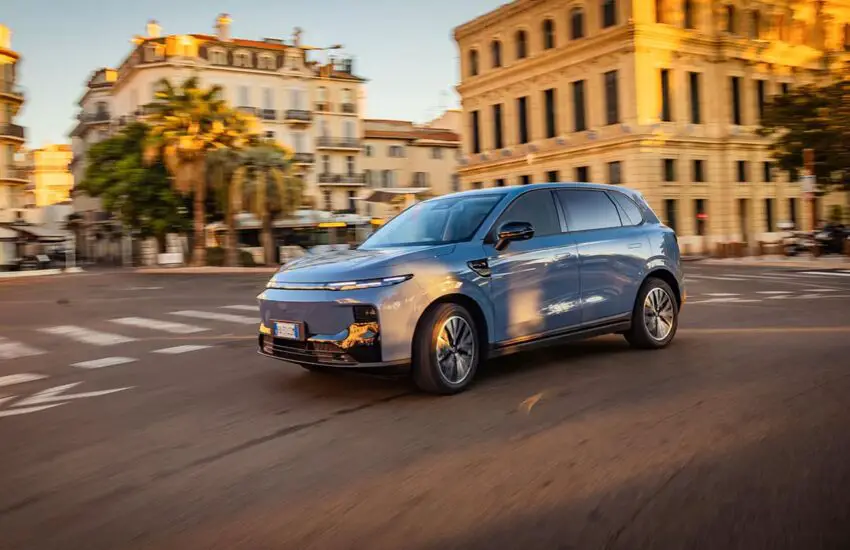
Strategic Alliance Paves Way for German Rebranding
The automotive landscape is witnessing a significant shift as global alliances redefine brand identities and product lineups. A prime example is the strategic partnership between Leapmotor and Stellantis, which is set to introduce the Chinese-made Leapmotor B10 electric SUV to European markets under the Opel brand. This move signals a new era of collaboration, leveraging Chinese manufacturing prowess to bolster a traditional German marque’s electric offerings.
Blending Innovation with Heritage
The Leapmotor B10 represents the cutting edge of electric vehicle technology from China, featuring modern design elements and competitive performance specs. By potentially adopting the Opel badge, this SUV would gain instant recognition and trust in European markets, where the German brand has a longstanding presence. This rebadging strategy allows Stellantis to rapidly expand Opel’s electric portfolio without the extended development timelines typically associated with new models, effectively combining innovative Chinese engineering with German automotive heritage.
Market Implications and Consumer Benefits
This collaboration could significantly impact the European electric vehicle market by offering consumers more choices at competitive price points. The fusion of Leapmotor’s manufacturing efficiency with Opel’s established distribution and service network promises enhanced accessibility and support for buyers. It demonstrates how global partnerships can accelerate the adoption of electric mobility by making advanced technology more readily available across different regions, potentially setting a precedent for future industry collaborations. As automotive manufacturers navigate the transition to electrification, such cross-border alliances are becoming increasingly common. The potential rebadging of the Leapmotor B10 as an Opel model exemplifies a pragmatic approach to portfolio expansion, benefiting from shared resources and expertise. While maintaining distinct brand identities, these partnerships enable faster market entry and diversification, ultimately driving the evolution of the global automotive industry toward a more interconnected and innovative future.