
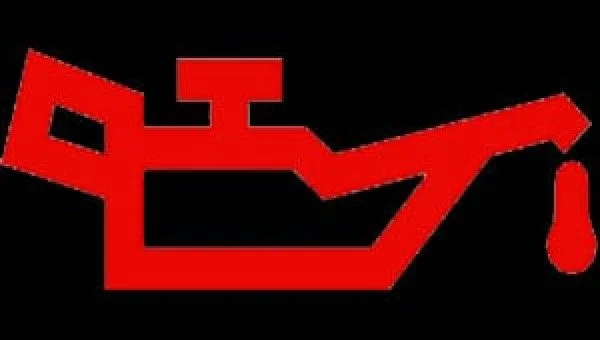
Engine oil is an important component of your engine. It lubricates the moving parts of the car. As soon as you notice low oil pressure, immediately stop your car and have it checked.
You may need to first check your oil level. Wait for the car to cool down and remove the dipstick. Clean it with a soft cloth and reinsert it. This should give you an indication of the oil level.
What are the potential causes of oil pressure activation?
Oil Leaks
Low oil pressure can be caused by an internal or external oil leak. Internal oil leaks mean that oil is leaking inside the engine and you cannot see it without disassembling the engine. This is a fairly rare scenario. External oil leaks can also lower the oil level and, as a result, the oil pressure light comes on.
You can check the following for wear and leaks: oil pan, front and rear crankshaft oil seals, valve covers or gaskets. If you find leaks in any of the above items, you should have them repaired before continuing. You can always check your dipstick for other leaks every few miles driven.
Faulty Oil Pump
The oil pump is crucial for pressurizing the oil. This allows the oil to easily enter all the moving parts of the engine. If the oil pump is faulty, the pressure drops and your moving parts generate excessive heat from friction. If the problem is not resolved immediately, additional friction will lead to permanent damage to the engine parts. You can check the oil pressure with a pressure gauge. If your oil pump is in good condition, you should have values of 10 psi at 1000 rpm.
Clogged Oil Filter
Inside the engine, there is often a lot of metal shavings, carbon deposits, and other debris. The oil filter plays an important role in filtering all these contaminants and preventing them from entering the engine. During regular engine maintenance, the mechanic replaces the oil filter. However, if you don’t do this, it becomes dirty and causes low oil pressure.
Clogged Oil Passages
Most of the engine oil is stored in the oil pan. The oil pump pressurizes the oil so that it can flow to the engine and the following moving parts. As soon as the oil leaves the pump, it is filtered through the oil filter. This removes most impurities. The oil then flows through the crankshaft and the car’s bearings. However, if the crankshaft is clogged with impurities, the oil loses pressure, causing the light to come on.
Lack of Oil Change
If you have an old car, you will have low oil pressure problems. This happens more often if you don’t get the oil changed at your next maintenance. This will cause a sludge-like substance to form at the bottom of the oil pan. This reduces oil pressure. In these cases, you will notice that the oil pressure light is still on even after changing the oil.
Damaged Pressure Sensor
If you have filled the engine oil with fresh oil, but the light is still on, the culprit could be the engine pressure sensor. The sensor is connected to the dashboard via an engine circuit. Over time, sensors fill with dirt, reducing their ability to effectively detect low oil pressure. When this happens, you will need to replace your sensors.
Wear of Engine Parts
Oil is needed for the crankshaft, cam bearings, and other moving parts to function optimally. When these components wear out, oil begins to leak through the created openings. This oil contributes to reducing oil pressure.
Solutions
There are simple and more difficult ways to repair low oil pressure. If a simple solution doesn’t work, a low oil pressure engine can be very expensive.
Check the Oil Level
If your oil level is low, the oil pressure may be low. Always ensure that the oil level in your engine is correct and check it at least once or twice a month.
Check the oil pressure with a manual pressure gauge
Check the oil pressure with another pressure gauge to ensure that only the sensor is sending incorrect information. A wire may also be broken, so be sure to check if the oil pressure is correct.
Oil with the Right Viscosity
You must be extremely careful with the type of oil you buy. High viscosity oil will not work well with your engine. When filling the engine oil, be careful not to overfill it. Viscosity refers to the thickness of the oil.
Higher viscosity oils are less effective because they do not flow efficiently through all engine parts. A high viscosity oil does not allow the oil pressure to increase sufficiently. To maintain the oil’s viscosity, you must regularly change your oil filter.
Replace the Oil Pump
Changing the oil pump and filter is not a major mechanical challenge. You can do it in a few minutes. In some cars, the oil pump is located right next to the oil pan. To replace it, simply remove the oil pan. In other vehicles, the oil pump
is located inside the timing cover. You need to lift the car to remove the oil pump.
If you do not act immediately when the oil pressure is low, it will lead to other engine problems. Oil is used to lubricate your bearings and all the moving parts of the engine. The presence of oil means that the crankshaft does not come into contact with other metals. At low oil pressure, friction increases. This causes your engine to overheat. Eventually, some of the engine’s moving parts will be destroyed, so you will have to spend more money on repairs.
Conclusion
Oil is vital for keeping all the moving parts of the engine, such as the cam bearings and crankshaft, in motion. If your oil level is low in your car, you will notice the low oil pressure light come on. You should not continue driving your car as soon as you notice this, as it would lead to other engine problems. Low oil pressure is caused by several factors. You should first check your oil dipstick for oil levels. If it is low, add a bit more oil. If the light is still on, your oil pump or filters may be dirty.