
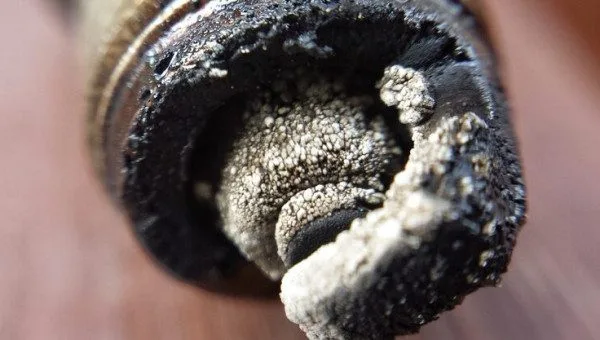
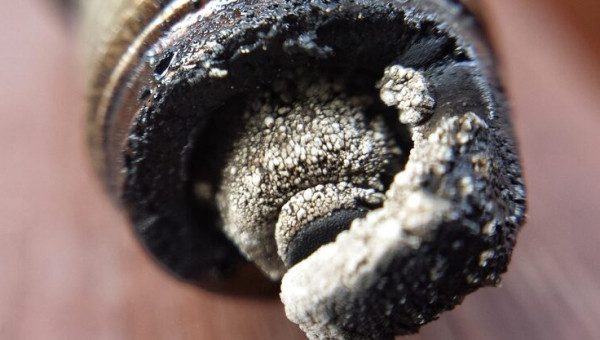
Oil is essential in the engine for lubrication. It helps protect moving parts from friction and excessive heat.
Oil, water, and fuel are three essential components of the engine that should not mix. The moment this happens, you may start experiencing misfires and further engine damage.
Oil can leak into the combustion chambers where the spark plugs are located through a worn piston, gasket, or faulty valves.
Causes of Oil on Spark Plugs
There are several different reasons why you might find oil on your spark plugs. Here are the most common causes.
1. Faulty/Clogged Crankcase Ventilation
The most common cause regarding oil on spark plugs is that the faulty crankcase ventilation is clogged or defective. This creates overpressure inside the crankcase, forcing oil to be pushed into the combustion chamber.
2. Faulty Turbocharger
A faulty turbocharger is also quite common when it comes to oil on spark plugs. When oil leaks from the intake turbocharger, it passes through the combustion chamber and gets stuck on the spark plug.
3. Leaking Valve Cover Gaskets
If you find oil on the spark plugs but not in the combustion chamber – check this!!
In an internal combustion engine, oil and fuel should never mix. The gasket is a metal piece located on top of the engine that ensures this does not happen.
However, the gasket becomes brittle due to the high temperatures in the engine block. This can cause oil leaks to reach the spark plugs. You should immediately replace the gasket when this occurs.
4. Faulty Piston Compression Rings
A closer look at the piston rings will reveal compression rings at the top and bottom. As the piston moves up and down along the wall, these rings collect oil.
The rings prevent oil under the pistons from reaching the combustion chambers. However, the rings wear out, and oil enters the spark plugs. This can prevent oil from reaching the moving parts.
5. Faulty Pistons
Oil can also leak to the spark plugs through a faulty piston. Pistons operate at high speeds and are prone to wear. When your pistons are not functioning as they should, you will hear a knocking noise from the engine. If oil gets into the combustion chamber, you will experience misfires.
6. Worn Valve Guides
Valve guides play a crucial role in the combustion chamber by regulating the intake of air and fuel while controlling the exhaust gas output. Fuel, oil, and coolant should never mix in the engine at any time. The valves wear out, and oil can end up in the combustion chamber.
The first symptoms are that your car emits blue smoke. You should have the valves repaired as soon as possible to avoid further engine problems.
Engine Misfires
One of the most noticeable signs of a faulty spark plug is when you notice your engine misfiring. In this case, the plug’s charge is not sufficient to promote ignition.
The engine may also produce sputtering noises and increase carbon emissions. You should have your spark plugs checked immediately to avoid further engine issues or increased fuel consumption.
How to Fix Oil on Spark Plugs
The first thing you should check regarding oil on spark plugs is whether the crankcase ventilation is clogged. Remove the oil cap while the engine is idling. You should find slightly higher or lower pressure. If you have very high pressure, you might have a clogged crankcase ventilation or bad piston rings.
Symptoms of Faulty Spark Plugs
There are various symptoms you may experience if the spark plugs fail. Here they are.
Engine Misfires
One of the most noticeable signs of a faulty spark plug is when you notice your engine misfiring. In this case, the plug’s charge is not sufficient to promote ignition.
The engine may also produce sputtering noises and increase carbon emissions. You should have your spark plugs checked immediately to avoid further engine issues or increased fuel consumption.
You can find more symptoms of spark plug failure here.
Conclusion
The internal combustion engine uses the gasket to prevent the mixing of oil and fuel. However, O-rings can become faulty, or the seal starts to leak, and you have oil leaking down to the spark plugs.
This will cause your car to produce blue smoke when the oil reaches the combustion chamber. You should have your plugs checked and replace the gasket to avoid further engine problems.