
An oil light coming on after an oil change indicates a problem with oil pressure, not the level. Insufficient pressure deprives the engine of lubrication, risking premature wear, overheating, or even engine failure. Act quickly to avoid costly repairs.
7 Main Causes
- Incorrect oil level
- Underfilling: A level that is too low reduces pressure.
- Overfilling: An excess of oil creates foam, disrupting pressure.
Solution: Check the dipstick and adjust the level according to the markers. Use the recommended oil (viscosity indicated in the manual).
- Oil filter improperly installed or not lubricated
- A dry or poorly secured filter causes an initial loss of pressure.
Solution: Lubricate the filter gasket before installation and tighten it correctly.
- Contaminated oil or presence of sludge
- A dirty engine can clog oil passages, even after an oil change.
Solution: Perform an engine flush or a complete oil change with a flush.
- Faulty pressure sensor
- A dirty or damaged sensor sends false signals.
Solution: Test the sensor with a pressure gauge. Replace it if necessary (moderate cost).
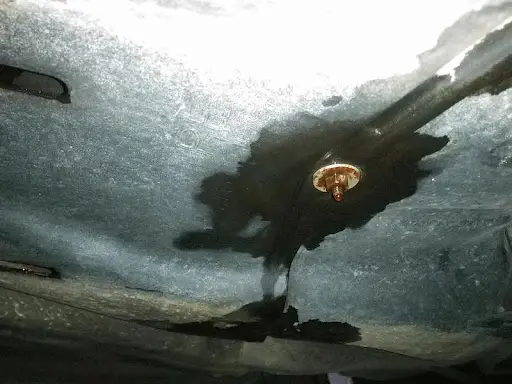
- Oil leak
- A loose drain plug, a worn gasket, or a cracked filter cause a leak.
Solution: Inspect the engine and the ground for oil traces. Tighten or replace the faulty parts.
- Failing oil pump
- A worn pump does not generate enough pressure.
Solution: Diagnose with a professional (pressure test). Replacement necessary in case of failure.
- Electrical problem
- Damaged wiring, corroded connectors, or a short circuit disrupt the signal.
Solution: Visually inspect the cables. Use a multimeter to check continuity.
What to do if the light stays on?
- Stop the engine immediately to avoid irreversible damage.
- Check the oil level when cold, on a flat surface. Adjust if necessary.
- Inspect for leaks:
- Check the filter, drain plug, and gaskets.
- Look for oil traces under the vehicle.
- Restart cautiously:
- If the light goes off, monitor the level.
- If it persists, have the vehicle towed to a professional.
- Consult your mechanic:
- Request a check of the oil change (quantity, oil type, tightness of parts).
How to Prevent the Problem
- Use the recommended oil: Adhere to the manufacturer’s viscosity and specifications.
- Choose a trusted garage: Check reviews and ensure they use suitable parts.
- Regular oil changes: Follow the manual’s intervals (every 5,000 to 10,000 km depending on the oil).
- Monthly checks: Check the oil level and condition, even between oil changes.
FAQ
1. Can I drive with the light on?
No. Stop the engine immediately to avoid engine failure.
2. Why does the light flash at idle?
The pressure might be too low (<5 PSI) or the sensor is faulty.
3. The light is on but the level is good. Why?
Target the pressure sensor, oil pump, or clogged passages.
4. How long before the problem worsens?
A few minutes of driving are enough to seriously damage the engine.
Conclusion
An oil light coming on after an oil change requires quick action. First, check the level and for leaks, then consult a professional if the problem persists. Ignoring this warning can lead to costly engine failure. Always prioritize regular oil changes and quality parts to prevent risks.