
An OBD2 scanner is an essential tool for diagnosing your vehicle’s issues, but many only use it to half its potential. Did you know that beyond simply reading fault codes, it can reveal real-time data on engine operation, emissions, and even predict costly breakdowns? Discover how to fully utilize this tool and avoid common pitfalls.
1. OBD2 Scanner Basics: What You Need to Know
What is an OBD2 Scanner?
- Overview of the OBD2 system (universal standard since 1996).
- Types of scanners: basic (code reading/clearing) vs. advanced (data streams, live tests).
Preparation Before Use
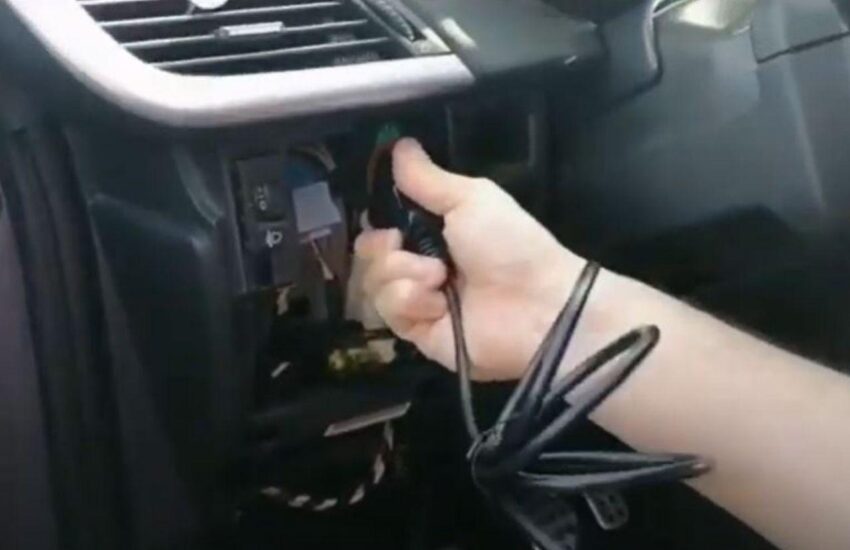
- Locate the OBD2 port (under the steering wheel, near the glove box).
- Check ignition: engine off or running? (Depending on the operations).
2. Tips for Using an OBD2 Scanner Like a Pro
Tip 1: Don’t Rely Solely on Codes
- Read live data (e.g., RPM, coolant temperature, O2 sensor voltage).
- Example: A P0171 code (system too lean) + abnormal MAF sensor data = faulty MAF sensor.
Tip 2: Use Mode 6 for Intermittent Issues
- Mode 6 provides access to manufacturer-specific tests (e.g., circuit tests, compression ratios).
- How to interpret “TEST-ID” and “Result” values to identify subtle problems.
Tip 3: Save Data Before Clearing Codes
- Why you should always note the codes and freeze frame data before clearing them.
Tip 4: Compare Pre-Cat and Post-Cat Data
- Analyze oxygen sensors before and after the catalyst to detect a failing catalytic converter (e.g., code P0420).
3. The 5 Common Mistakes to Absolutely Avoid
Mistake 1: Clearing Codes Without Prior Diagnosis
- Clearing a code without understanding its cause = risk of quick recurrence.
Mistake 2: Ignoring “Pending” Codes
- These codes don’t trigger the check engine light but signal emerging problems.
Mistake 3: Using a Scanner Incompatible With Your Vehicle
- Check supported protocols (e.g., CAN, KWP2000) based on make and year.
Mistake 4: Neglecting Scanner Updates
- Software updates add functions and fix bugs.
Mistake 5: Confusing Generic and Specific Codes
- Example: A P0300 code (generic misfire) vs. a P0304 code (misfire on cylinder 4).
4. Recommended Tools to Go Further
- Beginner scanners: Foseal Foseal-Scan Pro (budget) – Basic reading and clearing.
- Pro scanners: Autel MaxiCOM MK808 (advanced analysis, reprogramming).
- Free software: Torque Pro (with a Bluetooth adapter) for smartphones.
5. FAQ: Common Questions About OBD2 Scanners
Q: Can an OBD2 scanner damage my vehicle?
A: No, if used correctly. Avoid unplugging the scanner during an update.
Q: Why won’t my scanner connect to the vehicle?
A: Check the OBD2 port (blown fuse?), compatible protocol, or wiring.
Q: Do I need to buy an expensive scanner for occasional use?
A: No, an entry-level model is sufficient for most basic diagnostics.
Conclusion
An OBD2 scanner is much more than a simple code reader: it’s a window into your vehicle’s health. By avoiding common mistakes and utilizing its advanced functions, you’ll save time and money. Share your experiences in the comments or ask your questions to learn more!