


Tired of giving all your money to your mechanic instead of investing in your next road trip? That’s why OBD scanners might be the best investment for your money – but what exactly are they?
WHAT ARE THEY
Simply put, an onboard diagnostic scanner is a portable device that allows you or your mechanic to gather important information about various aspects of your car. This will enable you to take preventive measures if your vehicle encounters problems, saving you money in the long run. This device was initially developed for professional mechanics but is now available to anyone who wants clear and concise information about the status of their vehicle’s various features. It can monitor your car’s engine, report any detected issues, and record data. This gives you the advantage of being able to solve problems yourself and not having to rely on an expensive mechanic.
OBD1 OR OBD2?
OBD1 or OBD2? If you’ve heard of an OBD1 scanner, you might wonder what the difference is between it and an OBD2 scanner. OBD1 scanners are connected to the car’s console, have good diagnostic capabilities, are compatible with cars manufactured before 1996, and can help solve smaller issues. They also include built-in memory that stores codes but can be difficult to read. They are also much less popular among car owners because OBD2 provides more comprehensive information.
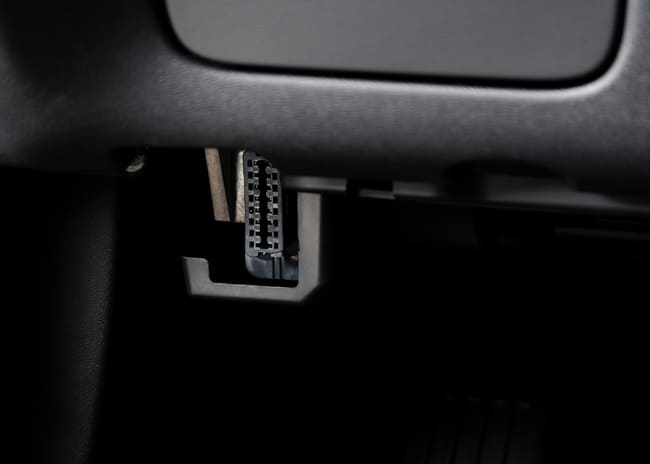
OBD2 is connected to the vehicle remotely via Bluetooth or Wi-Fi, has better messaging formats and signaling protocols – making it perfect for cars manufactured after 1996. If you prefer the wired option, it is also available. If you don’t have much experience with cars, OBD2 would be the best tool for you. Most vehicles equipped with an OBD2 port have a standard CAN pinout. If your car requires a non-standard arrangement, it can be customized to meet your vehicle’s needs. In addition to the information provided by OBD1, it can also inform you about the air-fuel ratio, oil temperature, or potential issues with your airbags, and much more. OBD2 also provides live mapping and online programming.
HOW DO I KNOW WHAT IS WRONG WITH MY CAR?
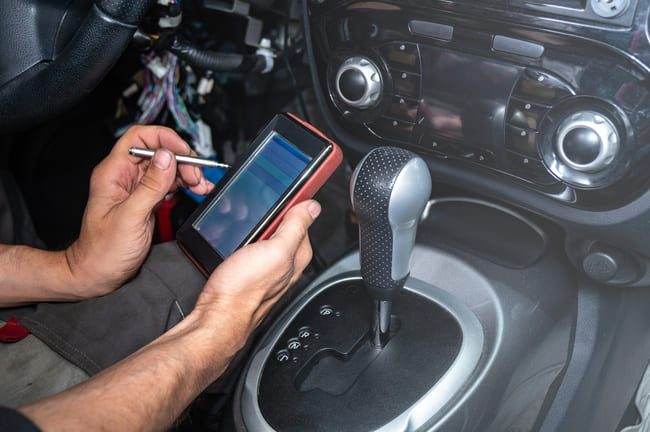
OBD2 provides you with a fault code scanner. These five-digit codes inform you about any malfunction in your vehicle. For example, if the first letter is a C, it could be a brake issue in the chassis. If you encounter a problem with the network communication system, you’ll see a P. The second character of the code tells you whether the problem comes from the manufacturer or is a more generic issue. With over 5000 codes, you can be assured that no matter the problem, the scanner will find it.
If you invest in an OBD2 adapter, you benefit from Bluetooth connectivity: Bluetooth can help you track information such as how much you spend on gas, diagnose the “check engine” light – which could indicate anything from an engine misfire, a faulty spark plug, to a defective catalytic converter that may need replacement. It is also very helpful if you need emergency assistance or can’t remember where you parked your car.