
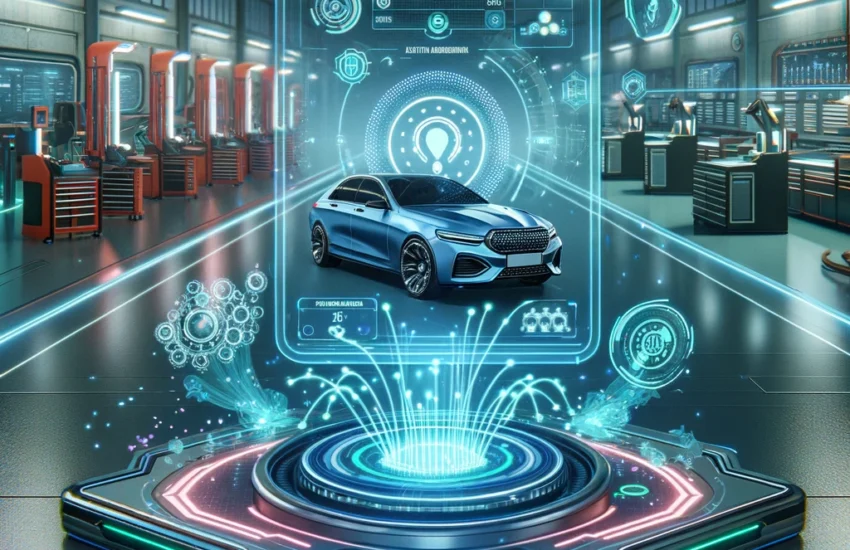
Introduction: The Evolution of OBD Systems
Since the 1990s, OBD-II has revolutionized automotive diagnostics by standardizing error codes and communication protocols. By 2025, OBD-III will mark a new era, integrating advanced connectivity, enhanced security, and proactive monitoring. Here’s what will change.
1. Connectivity and Real-Time Data Transmission
End of Manual Technical Inspections
- Onboard Telemetry: Vehicles will automatically transmit engine data, emissions, and errors to regulators (e.g., EPA, EU) or manufacturers via 5G/6G networks.
- Concrete Example: No need to go to a garage for an emissions check. A Toyota OBD-III will send a monthly report to authorities.
V2X (Vehicle-to-Everything) Integration
- Communication with Infrastructure: Traffic lights, charging stations, and other vehicles will receive OBD-III data to optimize traffic (e.g., avoid congestion).
- Use Case: In case of engine failure, the vehicle will alert following cars to reduce accident risks.
2. Cybersecurity: A Critical Challenge
Risks Associated with Connectivity
- Data Hacking: Access to location information, driving history, or even remote control (e.g., emergency braking triggered by a hacker).
OBD-III Solutions
- AES-256 Encryption: Military-grade protocol to secure communications between vehicles and servers.
- Two-Factor Authentication: Access to OBD-III data only via physical keys (e.g., USB dongle) or biometrics.
3. Standards and Regulations (SAE J1979-3)
New Standardized Protocols
- SAE J1979-3: Replaces J1979 (OBD-II) with extended error codes (e.g., P1FFF = Cyberattack detected).
- ISO 21434: Mandatory cybersecurity standard for manufacturers.
Legal Requirements
- EU and United States: New vehicles must be OBD-III compatible by 2025 for homologation.
- Penalties: Fines for manufacturers failing to ensure OBD-III system software updates.
4. Predictive Diagnostics and Proactive Maintenance
Embedded Artificial Intelligence
- Predictive Analysis: Detection of failures before they occur (e.g., premature turbo wear).
- Example: A P0A7F code (battery overheating) will trigger an alert and automatic power limitation.
Impact on Garages
- Mandatory Training: Mechanics will need to master cloud tools (e.g., Tesla Toolbox 4.0) to interpret OBD-III reports.
- Reduced Interventions: 30% fewer garage visits thanks to over-the-air (OTA) updates.
5. Challenges and Controversies
Privacy and Ethics
- Traceability: Insurers could use OBD-III data to adjust premiums (e.g., sporty driving = higher rates).
- Automotive GDPR: Manufacturers will need to anonymize data and obtain driver consent.
Costs for Consumers
- Older Vehicles: Non-OBD-III compatible, they may be banned in city centers (LEZs).
- New Vehicle Prices: +5% to +10% on average to integrate sensors and secure modules.
6. Case Study: Tesla, Forerunner of OBD-III
- Over-the-Air Updates: Remote correction of errors (e.g., BMS update to extend battery life).
- Collected Data: 20 GB/month per vehicle, used to train AI algorithms.
- Brakes: Tesla Model 3/Y are already partially compliant with OBD-III standards via their centralized architecture.
Conclusion: Towards a 100% Connected Car
By 2025, OBD-III will transform vehicles into secure IoT devices, capable of interacting with their environment and anticipating failures. Challenges remain (costs, ethics), but the ecological and safety gains justify this revolution.