
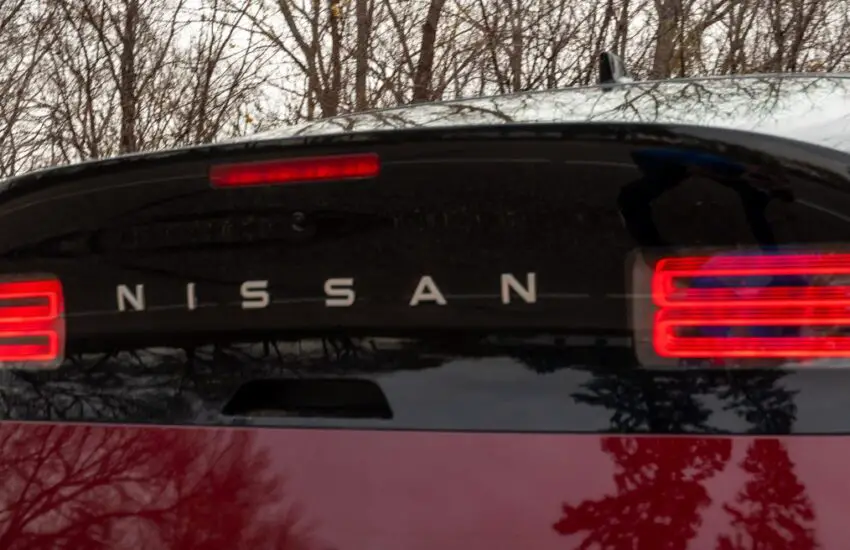
Nissan’s Leadership Faces Pivotal Strategic Crossroads
The global automotive industry is undergoing a seismic shift, and Nissan Motor Corporation finds itself navigating particularly turbulent waters. In a stark assessment of the company’s future, the newly appointed CEO has presented a candid outlook, openly acknowledging that a potential sale of the iconic Japanese automaker is not off the table. This startling admission signals a profound moment of reckoning for a company once at the pinnacle of automotive innovation.
Mounting Financial and Operational Pressures
The core of the crisis stems from a confluence of severe financial strains and strategic missteps. Years of fluctuating profitability, intense competition in key markets like China and North America, and the costly global transition to electric vehicles have eroded Nissan’s financial resilience. The company’s performance has lagged behind key rivals, leading to diminished market confidence and pressing questions about its long-term viability as an independent entity. This precarious position forces the leadership to evaluate all possible strategic avenues to ensure survival.
Strategic Reassessment and Alliance Uncertainties
This period of introspection extends to Nissan’s historic alliance with Renault and Mitsubishi. While the partnership has delivered significant synergies in the past, its future structure and balance of power are now under intense scrutiny. The CEO’s comments suggest a comprehensive review is underway, where traditional alliances may be reconfigured or even supplanted by more radical corporate actions. The industry is watching closely to see if this signals a potential unraveling of one of the auto world’s most enduring partnerships.
Implications for the Global Auto Industry
A potential sale or major strategic pivot by Nissan would send shockwaves through the global sector. It could trigger a new wave of consolidation, as larger conglomerates or new mobility players might see value in acquiring Nissan’s manufacturing footprint, technology portfolio, and brand legacy. For employees, suppliers, and global operations, the uncertainty creates a challenging environment. The CEO’s primary task is to stabilize operations while navigating these existential strategic choices, a challenge that will define the automaker’s trajectory for decades to come.