
Nissan’s Hybrid Strategy: A Calculated Shift in Electrification
While many automakers have flooded the market with hybrid vehicles, Nissan has charted a notably different course. Historically focused on its pioneering all-electric Leaf and advanced e-Power series-hybrid systems, the brand is now making a strategic pivot. This move signals a new chapter in its electrification playbook, aiming to capture a broader segment of eco-conscious drivers.
The Path to Plug-In Hybrids
Nissan’s upcoming expansion begins with the introduction of a plug-in hybrid (PHEV) variant of its popular Rogue SUV. This model represents a significant step, leveraging shared technology and platform synergy with the Mitsubishi Outlander PHEV. This collaborative approach allows Nissan to accelerate its market entry, bringing a proven and capable PHEV system to its flagship crossover efficiently.
Beyond Shared Platforms: The e-Power Legacy
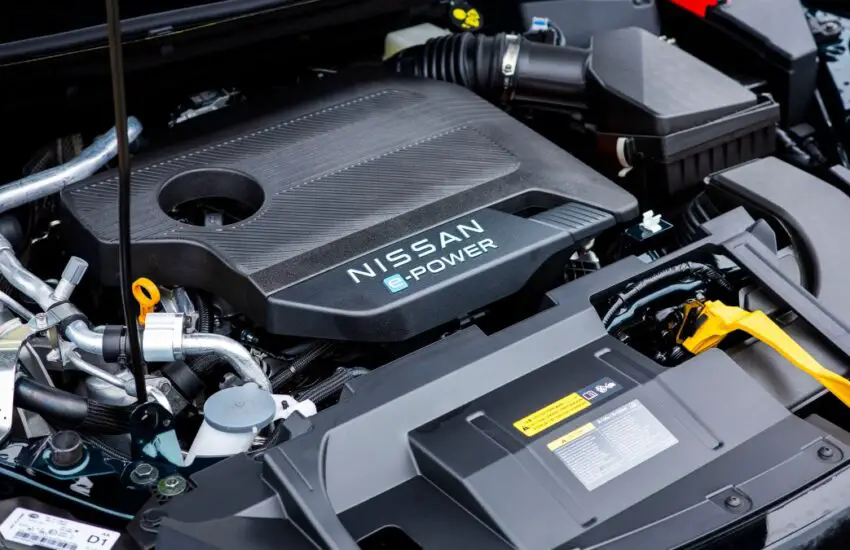
To understand Nissan’s hybrid philosophy, one must look at its existing e-Power technology. Unlike conventional hybrids, e-Power uses a gasoline engine solely as a generator to charge the battery, which then powers an electric motor driving the wheels. This creates a driving experience remarkably similar to a pure electric vehicle, with smooth, instant torque. This focus on an “EV-feel” has shaped the brand’s identity and informed its gradual approach to conventional hybrid powertrains.
A Multi-Pronged Electrification Vision
Nissan’s strategy is not an abandonment of electric vehicles but a broadening of its portfolio. The approach is multi-faceted: continue advancing pure EV technology with models like the Ariya, refine the unique e-Power system for global markets, and now, integrate plug-in hybrids to offer a practical bridge for consumers. This diversified tactic aims to meet varied customer needs, infrastructure realities, and regional regulations worldwide, ensuring there is a Nissan electrified option for different lifestyles and readiness levels.
This calculated expansion into plug-in hybrids, while later than some competitors, allows Nissan to enter the segment with mature technology and a clear understanding of consumer demands. It underscores a strategic vision where different electrified technologies coexist to advance the overarching goal of reduced emissions.