
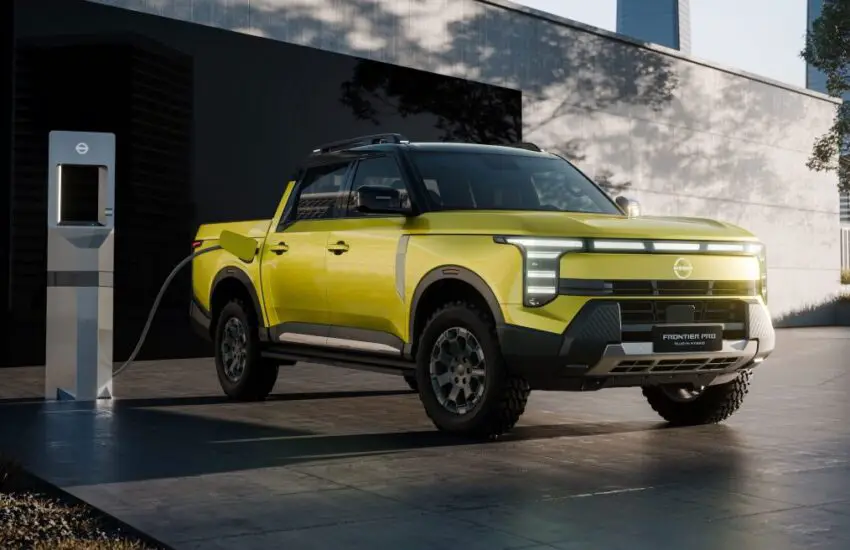
Nissan’s Strategic Pivot: A New Roadmap for Electrification
In a significant strategic shift, Japanese automaker Nissan is recalibrating its electrification strategy. Moving away from an exclusive focus on pure battery electric vehicles (BEVs), the company is now prioritizing the development and production of plug-in hybrid (PHEV) and extended-range electric vehicles (EREV). This pivot marks a notable departure from the industry’s recent all-in push for pure electric mobility and reflects a more pragmatic, consumer-driven approach.
Responding to Market Realities and Consumer Demand
The decision stems from a clear assessment of global market trends and consumer behavior. While BEV adoption continues, the pace has been uneven across regions, with concerns over charging infrastructure, upfront costs, and range anxiety still prevalent. Nissan’s new direction acknowledges that hybrid technologies serve as a crucial transitional bridge, offering drivers the benefits of electric driving for daily commutes with the flexibility and range assurance of a gasoline engine for longer journeys. This approach aims to cater to a broader customer base not yet ready to commit to a fully electric vehicle.
The Technology Focus: PHEVs and EREVs
Nissan’s renewed focus will center on two key technologies. Plug-in Hybrid Electric Vehicles (PHEVs) allow for a substantial all-electric range, typically between 30-50 miles, before a gasoline engine engages. Extended-Range Electric Vehicles (EREVs), like the technology showcased in the Nissan Qashqai e-POWER, operate primarily on electric power, using a gasoline engine solely as a generator to recharge the battery, eliminating range anxiety. By investing in these platforms, Nissan aims to deliver greater efficiency and lower emissions without asking consumers to drastically change their driving habits.
Implications for the Automotive Industry
Nissan’s strategic reorientation sends a powerful signal to the automotive industry. It suggests a more diversified and nuanced path to carbon neutrality, where multiple electrified solutions coexist to meet varied global needs. This move could encourage other manufacturers to similarly broaden their portfolios, ensuring that the transition to sustainable transportation is inclusive and adaptable. The coming years will reveal how this hybrid-centric strategy positions Nissan against competitors who remain heavily committed to pure electric vehicle platforms.