
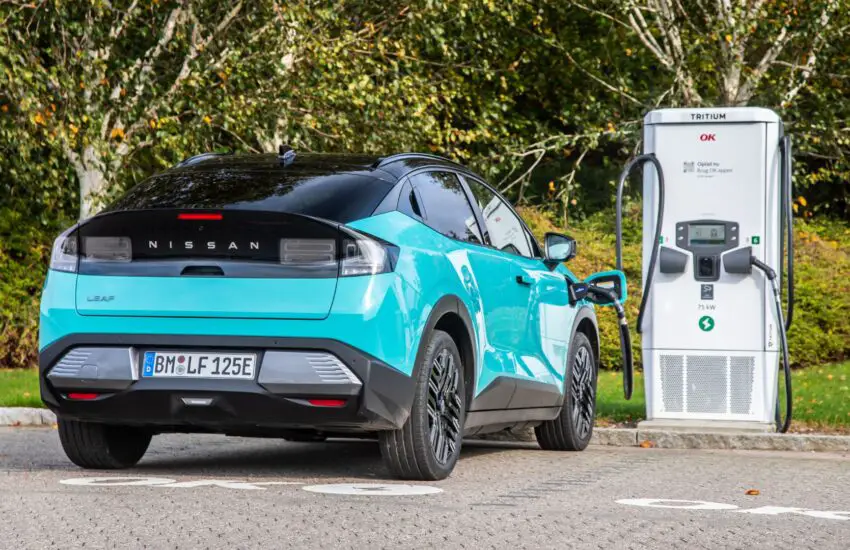
A Strategic Reversal for Nissan
In a significant departure from its previous roadmap, Nissan Motor Co. is recalibrating its strategy, moving away from an all-electric focus. Under new leadership, the Japanese automaker is prioritizing financial resilience and a diversified portfolio, signaling a major pivot in the face of evolving market realities.
Profitability Over Pure-EV Push
The driving force behind this shift is a renewed emphasis on profitability and market adaptability. While global competitors continue to announce aggressive electrification targets, Nissan is choosing to moderate its pace. This decision reflects a pragmatic assessment of current consumer adoption rates, intense price competition in the EV sector, and the substantial capital required for a full transition. The company now plans to balance its investments across a broader range of technologies.

The Rise of a Multi-Pathway Strategy
Instead of betting solely on battery electric vehicles (BEVs), Nissan is embracing a “multi-pathway” approach. This strategy will see continued development and investment in hybrid electric vehicles (HEVs) and plug-in hybrids (PHEVs), which are currently experiencing stronger market demand in many regions. The aim is to meet diverse consumer needs and regulatory environments worldwide while managing risk. This does not signify an abandonment of electric goals but rather a more flexible and phased timeline for achieving them.
Industry Implications and Future Roadmap
Nissan’s strategic U-turn highlights the growing pains of the automotive industry’s electric transition. It underscores the challenges of scaling EV production profitably amidst fluctuating battery material costs and uneven charging infrastructure. For Nissan, the immediate future involves leveraging its existing strengths in hybrid technology, like those found in the popular Qashqai and X-Trail models, to fund its longer-term innovations. The company’s revised plan is expected to detail updated sales targets and a more gradual introduction of new all-electric models.