
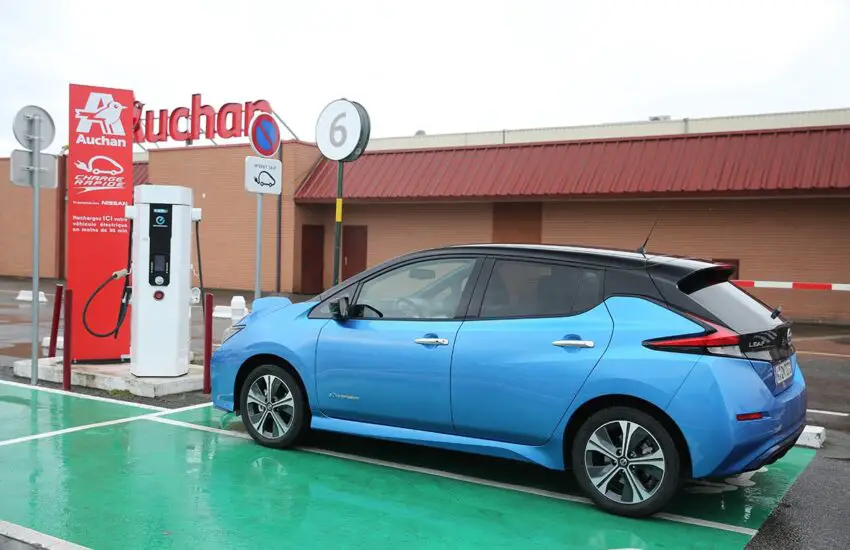
A Connectivity Sunset for the Nissan Leaf
Owners of the second-generation Nissan Leaf in France are on the brink of losing a core aspect of their vehicle’s functionality. Nissan is proceeding with a global phase-out of the 2G and 3G cellular networks that power the connected services in many of its models. This technological shift, driven by the widespread adoption of 4G and 5G networks, will render the telematics system in these electric vehicles largely inoperative.
What Features Will Be Lost?
The discontinuation of these legacy networks will directly impact the NissanConnect EV services. Primarily, owners will lose the ability to remotely interact with their vehicle via the dedicated smartphone app. This means functions like pre-conditioning the cabin temperature, checking the battery charge status, or initiating a charge remotely will no longer be available. Furthermore, features such as sending destinations directly to the vehicle’s navigation system or accessing certain emergency services could also be affected.
The Reason Behind the Change
This move is not unique to Nissan but part of a broader industry-wide transition. Telecommunications providers are progressively decommissioning older 2G and 3G networks to reallocate bandwidth and resources for more advanced and efficient 4G and 5G services. The hardware in the affected Nissan Leaf models is simply not compatible with these newer network standards, leaving no software update path to restore the lost connectivity.
Looking Ahead for EV Owners
This situation highlights a growing challenge in the automotive sector: the digital longevity of connected vehicles. As technology evolves rapidly, features dependent on external networks can become obsolete long before the vehicle’s mechanical lifespan ends. For current Leaf owners, this represents a tangible reduction in convenience and functionality. For the industry, it underscores the need for future-proofing strategies, such as hardware that can adapt to new communication standards through upgradable modules, to protect the digital investment of consumers.