
Nissan Embraces Mutual OEM Collaborations
In a strategic shift to optimize costs and accelerate development, Nissan Motor Company is actively pursuing reciprocal partnerships with other automakers. The company’s leadership has indicated a strong openness to sharing its vehicle platforms and technologies, but with a key condition: any exchange must be a two-way street.
A Strategy of Shared Development
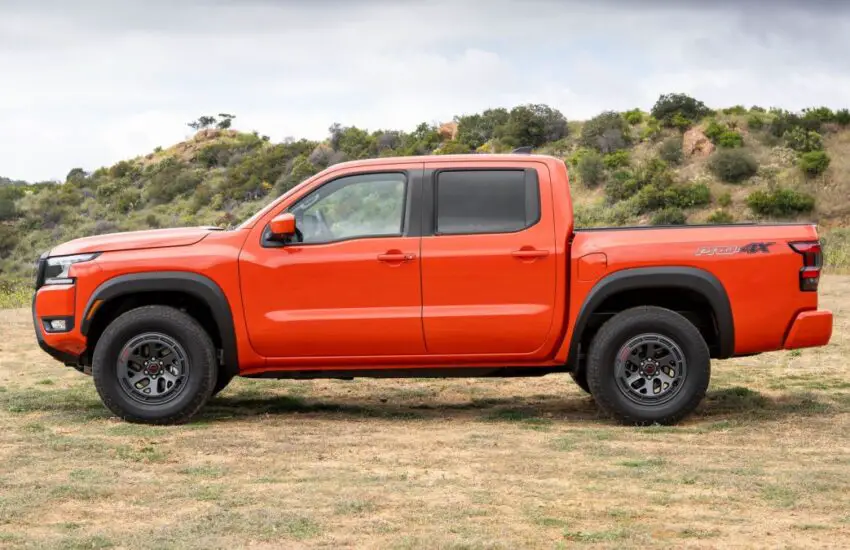
This move signals a pragmatic approach in a competitive and capital-intensive industry. By engaging in mutual platform sharing, Nissan aims to reduce the enormous research, development, and production costs associated with creating new vehicles from the ground up. This strategy allows the company to potentially access new technologies and enter market segments more efficiently while offering its own proven architectures, like the robust Frontier pickup platform, to partners.
Beyond One-Way Agreements
The emphasis on reciprocity marks a distinct evolution from traditional supplier or licensing agreements. Nissan is not merely looking to source platforms from others nor simply to license out its own. Instead, the goal is to establish balanced partnerships where both parties contribute and benefit from shared engineering, sourcing, and manufacturing expertise. This collaborative model can lead to faster time-to-market for new models and greater overall resource efficiency for all involved.
Implications for the Global Auto Industry
Nissan’s stance reflects a broader industry trend where collaboration is becoming as important as competition. As the transition to electrification and software-defined vehicles demands unprecedented investment, even major manufacturers are seeking strategic alliances to share the financial burden. Successful reciprocal deals could strengthen Nissan’s portfolio, enhance its competitiveness, and lead to a more diversified and innovative range of vehicles for consumers worldwide.