
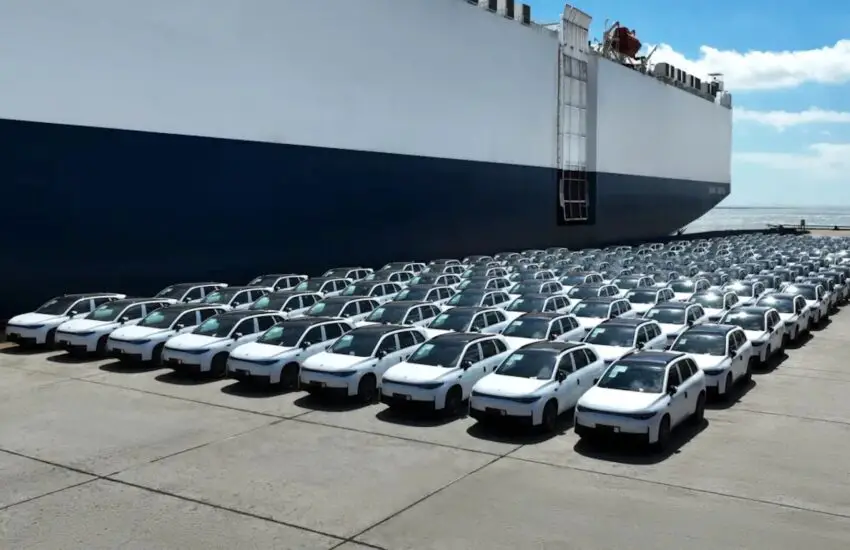
Geopolitical Tensions and Automotive Logistics
The ongoing conflict in the Middle East is creating significant turbulence for global automotive supply chains. A primary casualty is the seamless transport of Chinese-manufactured electric vehicles (EVs) to key international markets, particularly Europe. This disruption highlights the fragility of modern logistics networks when critical maritime routes become unstable.
Chokepoints in EV Delivery Routes
The Suez Canal and the Strait of Hormuz are vital arteries for global shipping. Heightened military activity and security risks in these regions force shipping companies to consider lengthy and costly diversions, such as rerouting vessels around the Cape of Good Hope in Africa. For time-sensitive and high-value cargo like electric vehicles, these delays translate directly into increased costs, inventory shortages at dealerships, and potential missed market opportunities for Chinese EV brands that are rapidly expanding their European presence.
Broader Industry Implications
The impact extends beyond simple shipping delays. The instability affects the entire logistics planning cycle, including insurance premiums, which have skyrocketed for vessels transiting the Red Sea. Furthermore, just-in-time delivery models, crucial for keeping inventory costs low, are becoming untenable. Manufacturers and logistics firms are now compelled to stockpile vehicles or seek alternative, often more expensive, multimodal transport solutions combining rail and sea freight to ensure some level of supply continuity.
Long-Term Strategic Shifts
This crisis may accelerate strategic shifts within the automotive industry. Reliance on a single, geopolitically vulnerable maritime corridor is now seen as a major risk. In the long term, this could incentivize further investment in regional EV production hubs outside of China and encourage the development of more resilient, diversified logistics frameworks. The current situation serves as a stark reminder that the transition to electric mobility is deeply intertwined with global geopolitical stability.