
European Support Falls Short
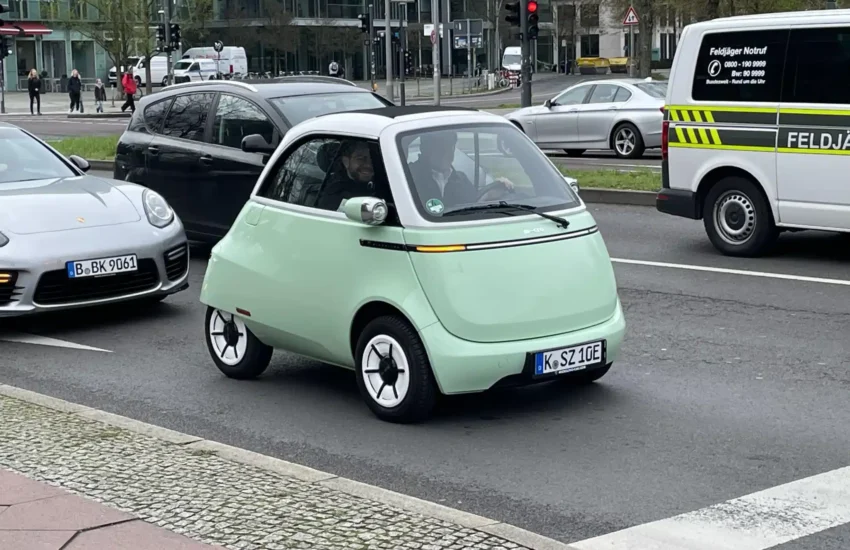
Microlino, the iconic Swiss electric microcar manufacturer, is seriously contemplating relocating its production to China. This drastic consideration stems from a perceived lack of tangible backing from European Union institutions. Despite the company’s long-standing commitment to pioneering sustainable urban mobility solutions, securing meaningful support has proven challenging. The potential move highlights a significant tension between green innovation goals and the practical industrial policies within Europe.
A Vision for Sustainable Cities
The Microlino was conceived as a direct response to urban challenges like traffic congestion and pollution. Its compact, bubble-car design offers an agile and fully electric alternative for city dwellers. The vehicle’s small footprint and zero tailpipe emissions align perfectly with the EU’s publicly stated ambitions for carbon-neutral cities. For years, the company has positioned itself not just as a carmaker, but as a contributor to a broader ecological transition, making the current situation particularly poignant.
The Allure of Chinese Production
Shifting manufacturing to China presents compelling advantages that Europe currently struggles to match. China’s established and cost-effective supply chain for electric vehicle components, particularly batteries, is a major draw. Furthermore, the Chinese market itself represents a vast opportunity for small electric vehicles. This combination of production efficiency and market access creates a powerful incentive for relocation, posing a potential brain and resource drain from the European electric vehicle sector.
Broader Implications for European Industry
Microlino’s dilemma is not an isolated case. It raises critical questions about Europe’s ability to nurture and retain its homegrown green technology champions. If innovative SMEs dedicated to sustainability feel compelled to leave, it could signal a weakening of the continent’s strategic autonomy in the clean tech race. The situation underscores the need for a cohesive industrial strategy that translates environmental rhetoric into concrete, actionable support for manufacturers on the ground.