
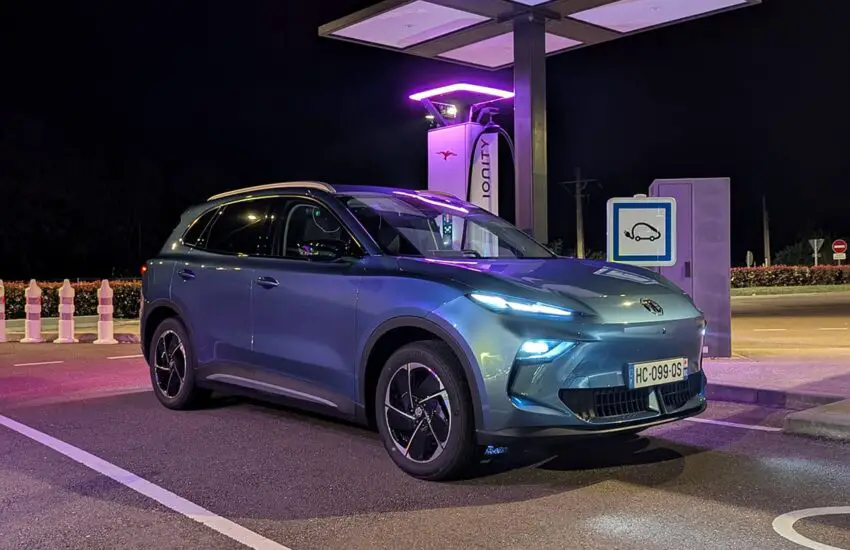
MG S5 EV: Putting Range and Charging to the Test
The compact electric SUV segment is fiercely competitive, with efficiency and practicality being key battlegrounds. The MG S5 EV enters this arena promising a compelling blend of value and capability. A critical part of that promise lies in its real-world driving range and, just as importantly, how quickly its battery can be replenished. This long-term analysis focuses squarely on these pivotal aspects for daily commuting and longer journeys.
Real-World Efficiency and Driving Range
Official range figures provide a baseline, but real-world conditions tell the full story. During extended testing in varied scenarios—including city traffic, highway cruising, and mixed rural roads—the MG S5 EV demonstrated consistent energy consumption. Factors like climate control use, driving style, and ambient temperature naturally influence the results. The vehicle’s regenerative braking system proved effective in urban environments, helping to maximize range by recovering energy. The available driving modes allow drivers to tailor performance and efficiency to their needs, directly impacting the distance achievable on a single charge.
Charging Performance and Practicality
For any EV, charging speed is a crucial metric that defines usability. The MG S5 EV’s compatibility with DC fast-charging networks is a significant advantage. Testing at high-power charging stations revealed how the battery management system handles rapid energy intake, particularly between 20% and 80% state of charge. The time required to add substantial range during a road trip break is a key finding. Furthermore, the experience of using a standard AC home charger for overnight replenishment highlights the car’s suitability for routine, convenient charging. The integration of the charging port and the clarity of the onboard charge status information contribute to the overall ownership experience.
Verdict on Long-Distance Travel
Combining the observed range with the documented charging speeds provides a clear picture of the MG S5 EV’s potential for longer voyages. The effective travel rhythm—driving time versus charging time—becomes apparent. This analysis considers how the vehicle’s capabilities align with typical European driving patterns and charging infrastructure. The balance it strikes between a usable real-world range and pragmatic charging stops ultimately defines its position as a viable choice for drivers seeking an electric SUV for all purposes, not just city confines.