
Beyond the Brake Pedal: Mercedes’s Electrifying Vision
The familiar hydraulic brake system, a cornerstone of automotive engineering for over a century, may be nearing its end in the electric age. Mercedes-Benz is pioneering a radical shift by developing a braking system that could eliminate traditional mechanical components entirely. This move is not merely an incremental upgrade but a fundamental rethinking of how vehicles slow down and stop, enabled by the unique capabilities of electric drivetrains.
The Power of the Wheel-Hub Motor
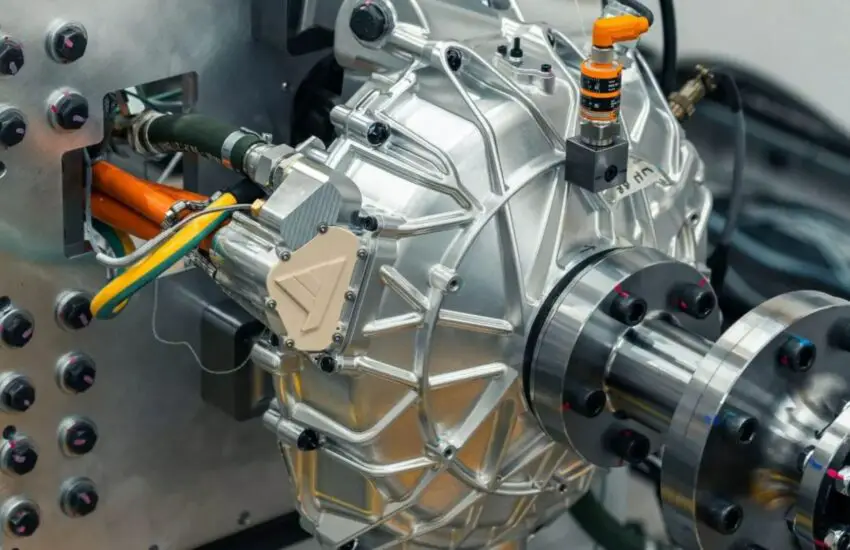
At the heart of this revolution is technology from YASA, the British axial-flux motor specialist acquired by Mercedes-Benz. YASA’s ultra-lightweight, high-torque wheel-hub motors are integrated directly into the wheels. This design provides unprecedented individual control over each wheel. By reversing their function, these powerful motors can act as ultra-responsive generators, converting the vehicle’s kinetic energy back into electricity with exceptional efficiency. This process, known as regenerative braking, becomes the primary method for deceleration.

Benefits of a Brakeless Future
The potential advantages of this system are substantial. Removing conventional brake calipers, discs, and hydraulic lines reduces unsprung weight significantly, which can improve handling, ride comfort, and energy consumption. It also frees up valuable space within the wheel design for enhanced aerodynamics or larger batteries. Furthermore, braking purely through regeneration maximizes energy recapture, potentially extending driving range. The system’s digital precision allows for incredibly fast and finely tuned braking responses, enhancing safety and enabling new advanced driver-assistance features.
Challenges on the Road Ahead
Despite the promise, the path to eliminating mechanical brakes entirely is complex. Engineers must develop flawless redundancy to ensure fail-safe stopping power in all scenarios, including a full electrical system failure or extreme braking demands. Regenerative braking effectiveness can also vary with battery charge level and temperature. Mercedes’s solution will likely involve retaining a minimal, backup mechanical system for emergencies, but the goal is to make its use an exceptionally rare event, marking a true paradigm shift in vehicle design.