
The Blob Is Dead: Mercedes-Benz Electric E-Class Finally Adopts Traditional Sedan Design
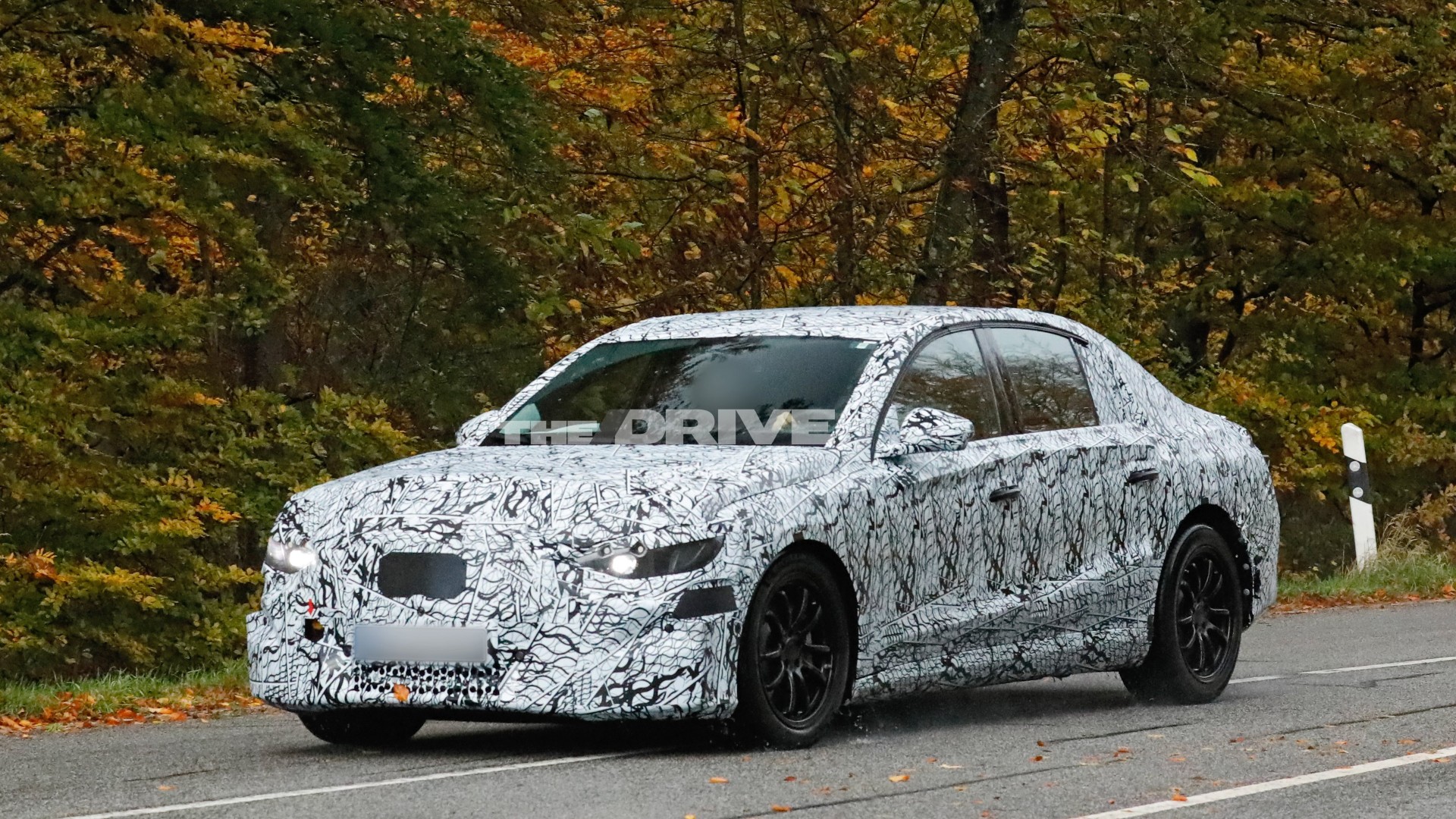
Mercedes-Benz is accelerating its transition to a new electric era by gradually phasing out the controversial designs of its EQ lineup. The German manufacturer is now unveiling the first prototypes of the future all-electric E-Class, marking a return to its roots with a classic sedan silhouette.
A Multi-Energy Platform for Design Harmonization
Mercedes-Benz’s strategy now relies on a single platform capable of accommodating both combustion and electric powertrains. This approach allows for unifying the exterior design across the entire lineup, ending the visual distinction between electric and combustion versions.
While the new unified CLA generation is already starting to arrive in dealerships, with the new GLA following closely behind, traditional Mercedes sedans still require additional development time. We had already spotted the electric C-Class version undergoing testing, and now here is our first glimpse of its bigger sibling, the electric E-Class.
Design: Back to Basics
The camouflage on these test vehicles remains quite extensive, but the overall sedan silhouette is already clearly distinguishable. The design appears heavily inspired by the current combustion version, with some touches reminiscent of modern Jaguars – a combination that should disappoint no one.
The rear of the disguised E-Class also shows some similarities with the previous Mazda6, particularly due to clever camouflage hiding the taillights. Mercedes is clearly making considerable efforts to preserve surprises until the official unveiling.
Launch Timeline
The combustion version of the E-Class, recently refreshed a few years ago, is not expected to immediately migrate to this new platform. However, the electric version will debut in 2027, likely accompanied by an updated combustion version.
This timeline positions Mercedes-Benz for a gradual transition to electric, while maintaining a combustion offering to meet different market and customer preferences. The German manufacturer’s strategy contrasts with some competitors who are making a more abrupt shift to electric.
A Strategic Evolution for Mercedes
Abandoning the specific EQ design represents a significant shift in Mercedes-Benz’s strategy. After experimenting with highly distinctive designs for its first electric models, the manufacturer is returning to more traditional aesthetic codes, likely to reassure its established customer base.
This approach also helps streamline development and production costs while providing visual continuity across the entire lineup. Buyers will thus be able to choose their powertrain without sacrificing their aesthetic preferences.
Electric Sedan Market Outlook
The premium electric sedan segment is undergoing significant transformation. While electric SUVs have dominated recent launches, manufacturers are returning to sedans, responding to persistent demand for this body style.
The future Mercedes-Benz electric E-Class is shaping up to be a major player in this evolving segment. Its classic design could provide a competitive advantage against more avant-garde designs from some competitors, particularly in more conservative markets.
The coming months should bring new information about the technical characteristics of this highly anticipated model, particularly regarding its range, performance, and onboard technologies.