
Mercedes-AMG GT 4-Door: A Redesigned Cockpit Sparks Debate
The upcoming facelift for the Mercedes-AMG GT 4-Door has been previewed through leaked interior images, revealing a cabin that prioritizes digital immersion over traditional controls. This bold redesign is generating significant discussion, highlighting a clear divide between technological ambition and classic ergonomic principles.
A Fully Digital Driver’s Environment
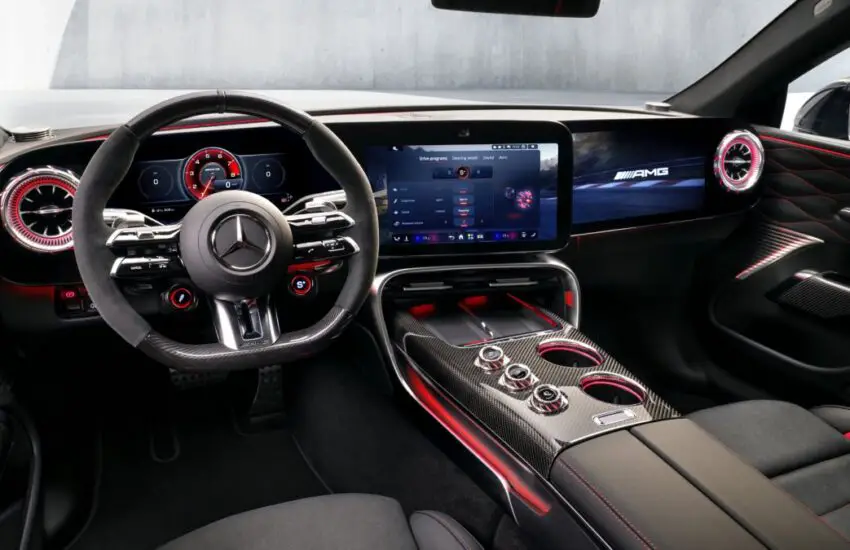
The most striking change is the adoption of Mercedes-Benz’s latest MBUX Superscreen architecture. A single, expansive glass panel now houses multiple digital displays, seamlessly stretching across the dashboard. This creates a minimalist, futuristic aesthetic that centralizes all vehicle functions, from climate control to performance data, into touch-sensitive interfaces and voice commands.
The Controversial Elimination of Physical Controls
In its pursuit of a sleek, uncluttered design, Mercedes-AMG has drastically reduced the number of physical buttons and knobs. Key functions that were once managed by dedicated tactile controls, such as drive mode selection and suspension settings, are now integrated into the central touchscreen or steering wheel haptic panels. This shift raises questions about usability, particularly for drivers who prefer immediate, muscle-memory interaction without taking their eyes off the road.
Balancing Innovation with Driver Focus
Despite the controversy, the redesign underscores Mercedes-AMG’s commitment to a driver-centric cockpit. The digital instrument cluster offers highly customizable views, including dedicated AMG performance pages. High-quality materials, sport seats, and ambient lighting ensure the cabin retains its premium and sporty character. The success of this interior will ultimately depend on how intuitively the software operates and whether the digital experience can match the instant feedback of physical controls during dynamic driving.
This new interior for the AMG GT 4-Door represents a definitive step into an all-screen future, setting a precedent for the brand’s high-performance models and challenging conventional expectations of sports car ergonomics.