
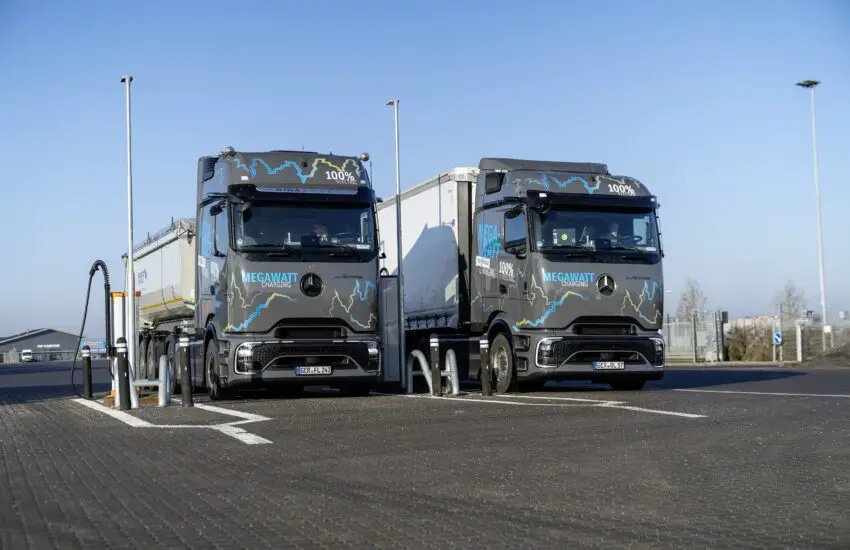
The Dawn of Ultra-Fast Electric Truck Charging
The commercial trucking industry is on the cusp of a major transformation, driven by the urgent need to decarbonize freight transport. For years, the adoption of electric heavy-duty vehicles has been hampered by a critical hurdle: prohibitively long charging times. These extended downtimes are fundamentally at odds with the logistics sector’s relentless focus on operational uptime and asset utilization. A new charging standard is emerging as the key to unlocking the true potential of electric long-haul trucking.
What is the Megawatt Charging System (MCS)?
The Megawatt Charging System (MCS) is a groundbreaking protocol designed specifically for large commercial electric vehicles. Unlike current public chargers, MCS is engineered to deliver power at a scale previously unimaginable for trucks—exceeding one megawatt (over 1,000 kW). This represents a monumental leap from today’s fastest truck chargers. The system utilizes a new connector design and enhanced communication protocols to manage these immense power flows safely and efficiently, ensuring both vehicle and grid stability during the charging process.
Mercedes-Benz and the MCS Milestone
Mercedes-Benz Trucks is at the forefront of bringing this technology from concept to reality. The manufacturer is actively conducting rigorous testing of MCS technology with its battery-electric eActros trucks. The goal is clear: to enable charging speeds that rival those of passenger cars, even for trucks equipped with massive battery packs necessary for long-range travel. Achieving this would mean a typical electric truck could recharge sufficient energy for hundreds of miles in roughly the same time a driver takes a mandatory rest break, seamlessly integrating zero-emission transport into existing logistics schedules.
Implications for the Future of Logistics
The successful implementation of a universal MCS standard promises to reshape the logistics landscape. It directly addresses the total cost of ownership calculations by maximizing vehicle road time. Furthermore, it enables more flexible route planning without the constraint of lengthy charging stops. This technological advancement is a crucial enabler for meeting stringent global emissions targets in the transport sector, paving the way for a new era of sustainable, efficient, and economically viable freight movement.