
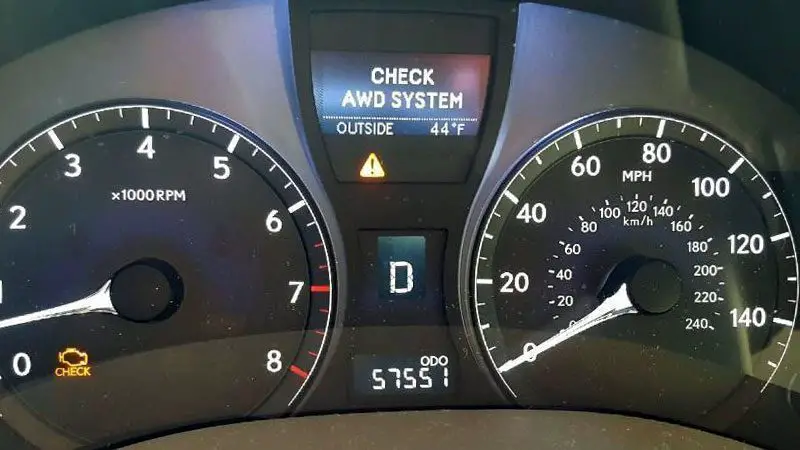
All-wheel drive (AWD) systems send power to all four wheels. All-wheel drive is found on many modern vehicles, especially in regions that tend to experience poor winter weather conditions. If there is a problem with the AWD system, you will often see a message indicating “Check AWD System” or something similar.
Not sure where to start? Keep reading to understand what this warning means, what can cause it to appear, and what you should do if this message appears.
Meaning of “Check AWD System”
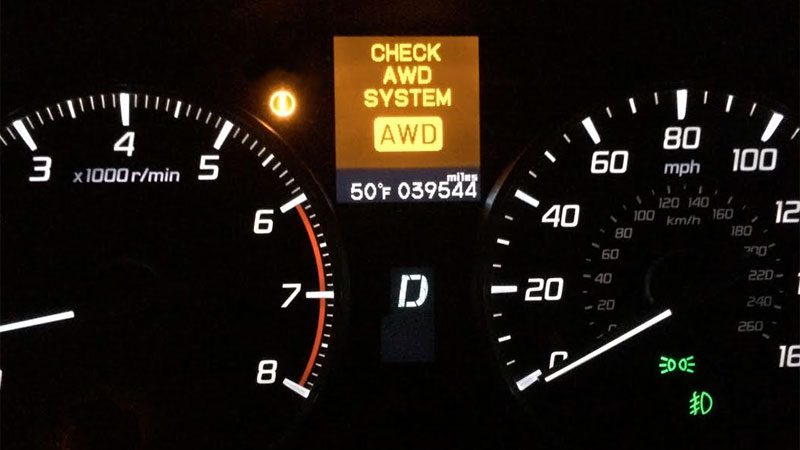
If you see the “Check AWD System” message appear on the instrument cluster, it indicates there is a problem with your vehicle’s all-wheel drive system, whether it’s a Toyota Highlander, RAV4, Lexus RX350, or another model.
While this is most common on Toyota and Lexus models, other car manufacturers use similar messages to report issues related to the all-wheel drive system. You might see a message saying “R.DIFF TEMP”, a check engine light, “Check AWD System”, or simply “AWD”.
Causes of AWD System Problems
1) Overheated Differential
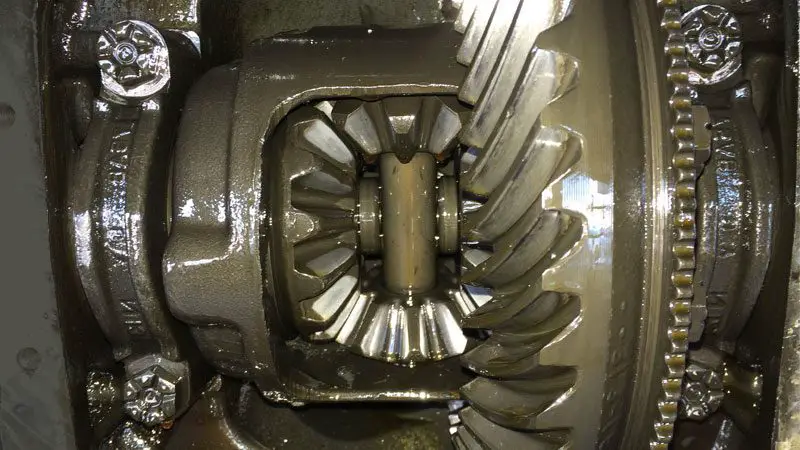
An overheated differential is a fairly common trigger for all-wheel drive system warnings. Differentials can overheat when you drive the car with mismatched tires or when you drive hard for extended periods. You are more likely to overheat the differential in hot weather and under extreme driving conditions.
2) Low or Old Transmission or Differential Fluid
If your differential fluid is old, too low, or the wrong type, the parts inside the differential or transaxle will not be lubricated properly. This can lead to increased wear, slipping, grinding, clunking, and other unusual sensations while you are driving.
If you have recently replaced your transmission or differential fluid and you start noticing these issues, check that you replaced the fluid with the correct specifications. Your owner’s manual should contain a list of specifications you need to follow for each type of fluid.
3) Mismatched Tires
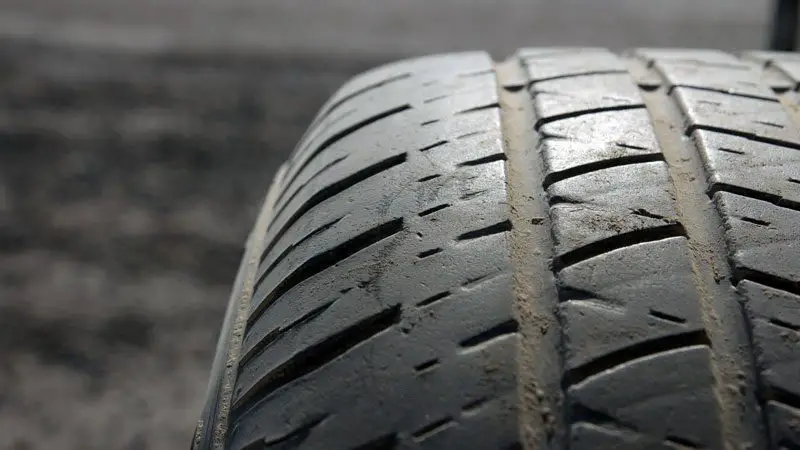
All-wheel drive systems tend to be more sensitive to differences in tire diameter. This is because many all-wheel drive systems are implemented using one or more limited-slip differentials. Since these limited-slip differentials aim to limit wheel slip, they produce heat. Excessive heat can wear out the differential prematurely.
Limited-slip differentials have to work harder when the wheels are spinning at different speeds for long periods, as they would be when the tire diameters do not all match. If you find that one or more tires do not match, you can sometimes find a tire shop that will shave a tire so that the tread depth matches all four tires.
Never forget to rotate your tires so you don’t end up in this situation. Rotating your tires is fairly inexpensive, but replacing part of an all-wheel drive system will cost you a lot if this maintenance task is neglected.
4) Transmission Problems
Transmissions are essential components of the drivetrain that transfer power to each of the differentials in an AWD system. Many front and center differentials are integrated into the transmission case. This is what the manufacturer often calls a transaxle.
Transmission problems can cause a number of issues for the AWD system, including shifting problems, transmission slipping, and grinding. Unfortunately, many transmission problems require expensive repairs.
5) Problems with Traction Control or Stability Control Systems

Not all AWD systems work the same way. Some vehicles rely heavily on their traction or stability control systems to limit wheel slip. If you are experiencing problems with your anti-lock braking or stability control systems, you will likely also see an AWD warning on the dashboard.
Traction control and stability control systems are mostly electronic, but they make extensive use of wheel speed sensors (also called ABS sensors). Make sure your wheel speed sensors are working correctly. You can check your wheel speeds using a high-quality scan tool.
6) Disconnected Sensors, Wiring Problem, Bad Ground
Sometimes the cause of an AWD system problem can be as simple as a disconnected sensor or a wiring issue. Modern AWD systems use sophisticated electronic components and software to monitor and control the AWD system. Some AWD systems use the brakes to control wheel slip, which is cheaper and easier to implement than a limited-slip differential.
A disconnected sensor, a wire with worn insulation, or a bad ground can trigger an AWD system warning if the ECU detects an erroneous input. Although wiring problems can be a huge headache, finding a disconnected sensor is fairly straightforward if you have a factory service manual.
If you were just working there, it is often quite easy to retrace your steps to make sure you didn’t forget to reconnect anything once your maintenance tasks were completed.
7) Problems with an Electric Motor or Hybrid Battery
Some hybrid vehicles use a gasoline engine for one axle and an electric motor for the other. Electric vehicles can use two motors: one motor for each axle of the vehicle. If there is a problem with an electric motor or the hybrid battery, one or more axles may not receive power.
If you are experiencing a problem with the hybrid battery or an electric motor, you should see an additional warning on the dashboard indicating this issue. Hybrid batteries can deteriorate over time, but they are replaceable. Unfortunately, the cost of replacing a hybrid battery can be extremely high.
Frequently Asked Questions
What should I do if the AWD system warning light comes on?
If the AWD system light comes on, it is important to have your vehicle inspected as soon as possible. As mentioned above, the light can indicate various problems, some more serious than others.
If you have access to an OBD2 scanner, use it to see what error codes are stored in the ECM that could be causing the AWD light to come on and go from there. Otherwise, schedule an appointment with your local dealer or a good independent mechanic who specializes in your vehicle brand.
Can I still drive my vehicle if the “Check AWD System” light is on?
It is not recommended to drive your vehicle when it is alerting you to a problem with the all-wheel drive system. Continuing to drive your vehicle with the AWD warning light on can cause additional damage to your vehicle and potentially put you and your passengers in danger.
How often should I have my AWD system checked?
It is recommended to have your AWD system checked at least once a year or according to your vehicle manufacturer’s recommendations. Regular maintenance and inspections can help prevent problems with your AWD system and ensure it functions as it is supposed to.