
Mazda Pumps the Brakes on Electric Vehicle Plans
A significant strategic pivot appears to be underway at Mazda. Recent industry analysis suggests the Japanese automaker is slowing the development of its dedicated, in-house electric vehicle platform. This move signals a potential delay of up to two years for the launch of Mazda’s first fully self-engineered EVs, marking a cautious recalibration of its electrification roadmap.
Partnerships Proceed as Proprietary Development Lags
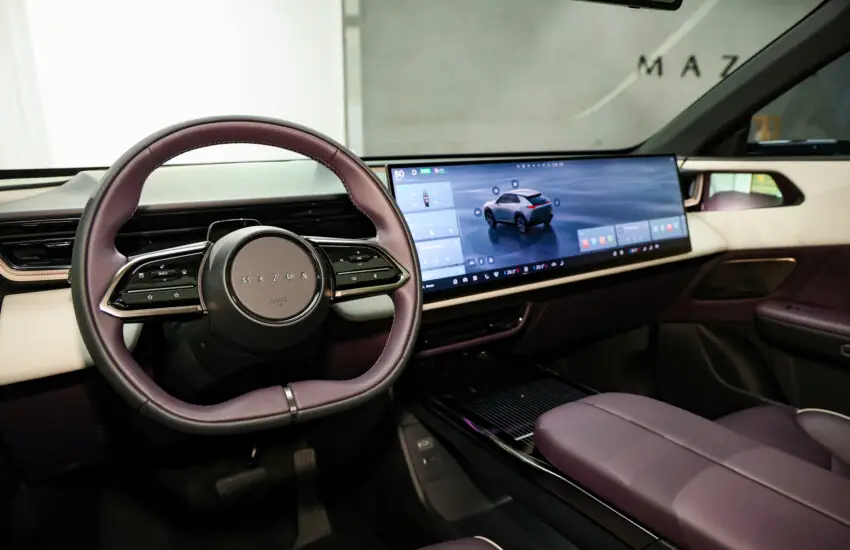
This strategic hesitation comes despite Mazda’s recent expansion of its electric lineup. The company has just introduced two new battery-electric models developed through its partnership with Chinese giant Changan Auto. These collaborative vehicles allow Mazda to maintain a presence in the growing EV market while mitigating the immense research, development, and production costs associated with creating a ground-up electric architecture.
The contrast between advancing partnership projects and slowing in-house development highlights a pragmatic, perhaps risk-averse, approach. It allows Mazda to leverage external expertise and share financial burdens in a rapidly evolving technological landscape where consumer adoption rates and regulatory frameworks remain in flux.
Analyzing the Strategic Reasoning
Several factors likely contribute to this decision. The global EV market is experiencing intensified competition and price pressures, particularly from established leaders and Chinese manufacturers. For a smaller automaker like Mazda, the capital investment required for a proprietary EV platform is enormous. By potentially delaying its solo project, Mazda may be seeking more clarity on market trends, battery technology advancements, and charging infrastructure rollout before committing fully.
This strategy emphasizes a phased transition. The immediate focus remains on expanding its electrified offerings through hybrids and collaborative EVs, buying time for its engineering teams. The delay could allow Mazda to refine its unique “Jinba Ittai” driving feel for the electric era, ensuring future models retain the brand’s signature character.
Ultimately, Mazda’s move reflects the complex balancing act facing many traditional automakers: meeting regulatory demands and market expectations for electrification while managing financial sustainability and technological uncertainty in a highly competitive field.