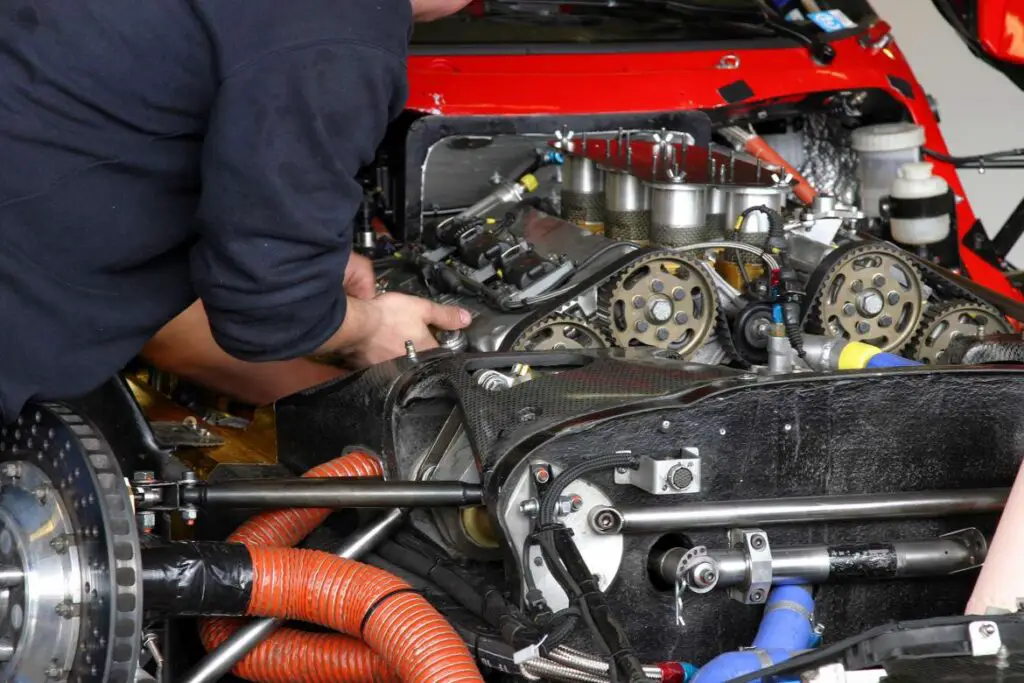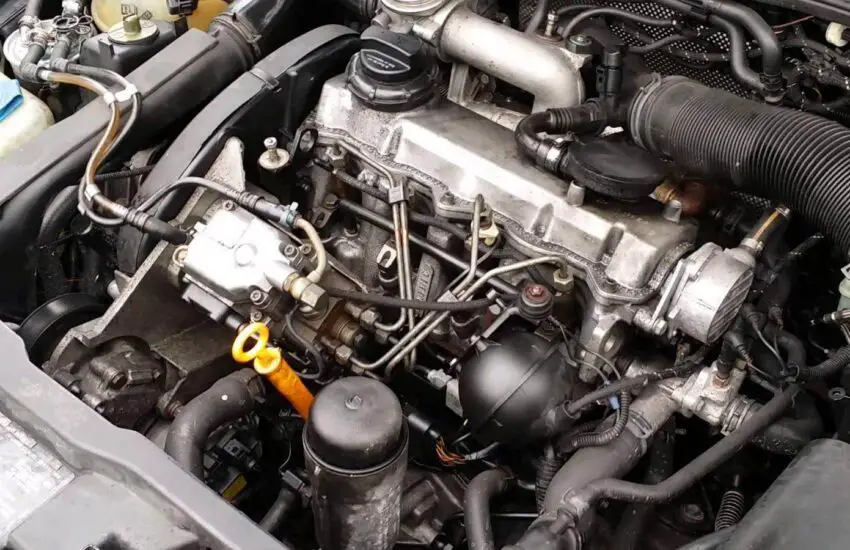
Engine vibrations in a car can be the result of a number of problems. Although it is assumed that the vibrations come from the engine, the axles could actually be the real cause. If you are driving a used car, the problem probably occurs more frequently and now is the time to learn more about its common causes and find solutions. Here we discuss in detail the causes of engine vibrations. Read them carefully to see if you are experiencing any of the symptoms that cause the car’s engine vibrations.
Popular Causes of Car Engine Vibrations
1 # Cause of Engine Vibrations: Crankshaft Damper
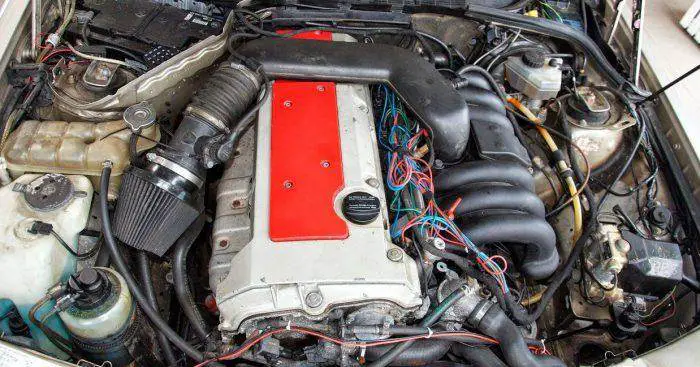
If you feel that the engine is shaking, the crankshaft damper can be a factor to consider when diagnosing the causes of engine vibrations. This is because the main function of this component is to reduce vibrations. In diesel engines, its use is more extensive. If there is a chance that it is faulty or has stopped working for good, your engine will shake even more. You should contact a mechanic whenever you encounter this problem.
2# Cause of Engine Vibrations: Faulty Engine Mount
This is another cause of engine vibration. This component keeps the engine attached to the chassis. In addition, it also reduces vibrations from a running engine. This part doesn’t just get damaged. Reckless driving can be the cause. Similarly, you should see a mechanic to repair your car.
3 # Cause of Engine Vibrations: Spark Plug Issues
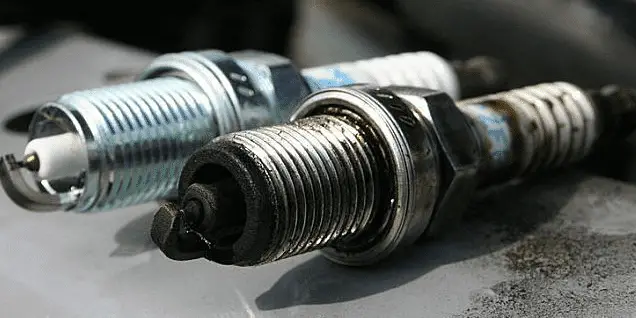
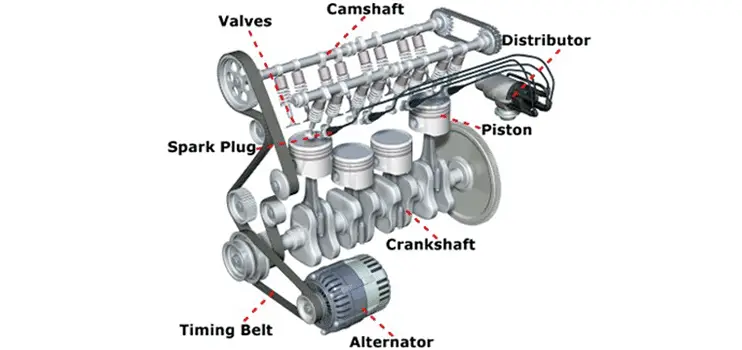
If there is a problem with your vehicle’s spark plugs, the engine will vibrate more than usual. Spark plug removal can be done at home if you have all the necessary tools and knowledge to accomplish the task.
4 # Cause of Engine Vibrations: Extreme Weather Conditions
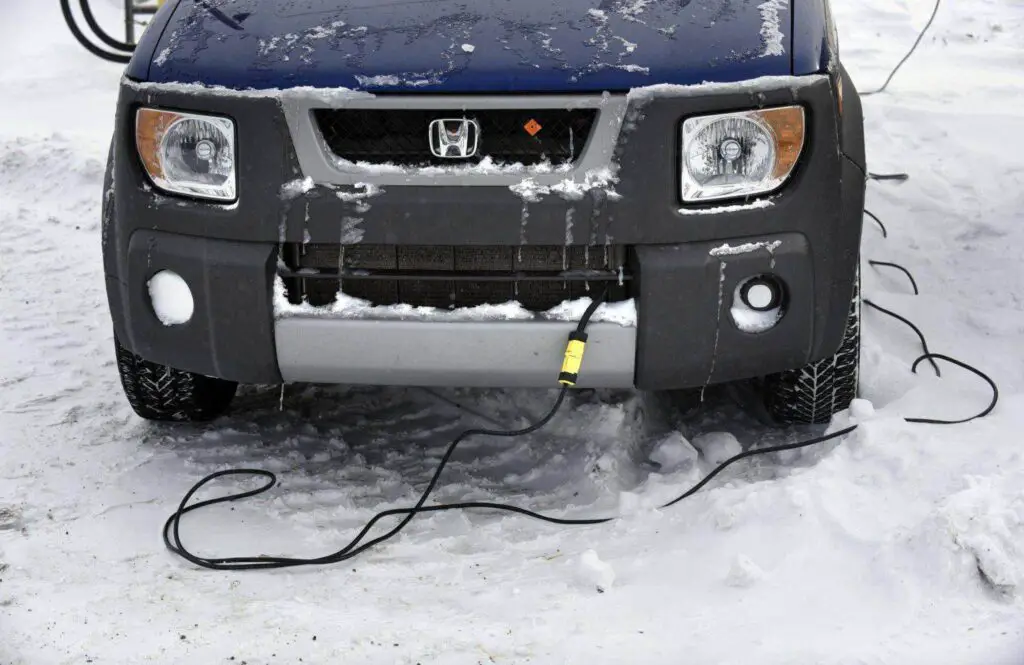
In freezing weather, the engine vibrates more than normal. No further action should be taken if this problem resolves itself when the car is driven in normal weather. In cold weather, the engine cannot operate at its optimal level, so vibrations increase.
5 # Cause of Engine Vibrations: Car Axle
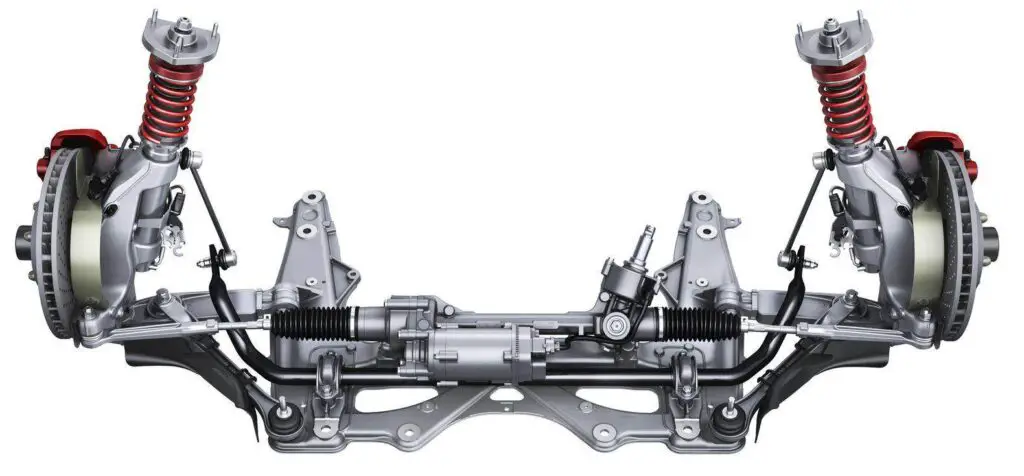
Often it seems that the engine shaking problem is rooted in the engine itself, when in reality, it’s the axles that need to be addressed. When your car is in a collision, the axles can be damaged, even if there is no apparent sign of damage. So, you should call a mechanic if you feel an increase in vibrations, just after a collision.
6 # Cause of Engine Vibrations: Wheel Problems
One of the most serious causes of engine vibrations is related to the wheel. A misaligned wheel or worn wheel bearings could be the problems if you feel the vibrations are coming directly from the steering wheel. Another cause could be deformed ball joints that cause annoying vibrations at driving speeds.
7 # Cause of Engine Vibrations: Tire Problems
This is the most common of all reasons because nearly 80% of car vibrations are related to tires. These vibrations can be corrected by tire balancing, tire rotation, or tire replacement.
8 # Cause of Engine Vibrations: Braking Problems
If the vibration appears when you press the brake, your car may have a problem with broken or worn brake discs. Significant wear can warp the brake discs, which prevents the brake pads and calipers from gripping them during braking.
These are some of the common engine vibration problems that could affect your driving experience, it’s better to look into one of these causes of car engine vibration and find out what the exact reason is. Another great suggestion for you to avoid this problem is to choose a great car with energy efficiency, reliability, and affordable price from our list of quality used cars.
How to Fix Car Engine Vibrations
To solve this problem more easily, watch the video to see how they fix engine vibrations
Low transmission fluid, tire problems, or a brake error can all cause the car’s engine shaking. But here we will talk about the cylinder, which is usually the main reason causing vibrations in your engine. Here are the steps to follow:
Step 1: Locate the Source of the Problem
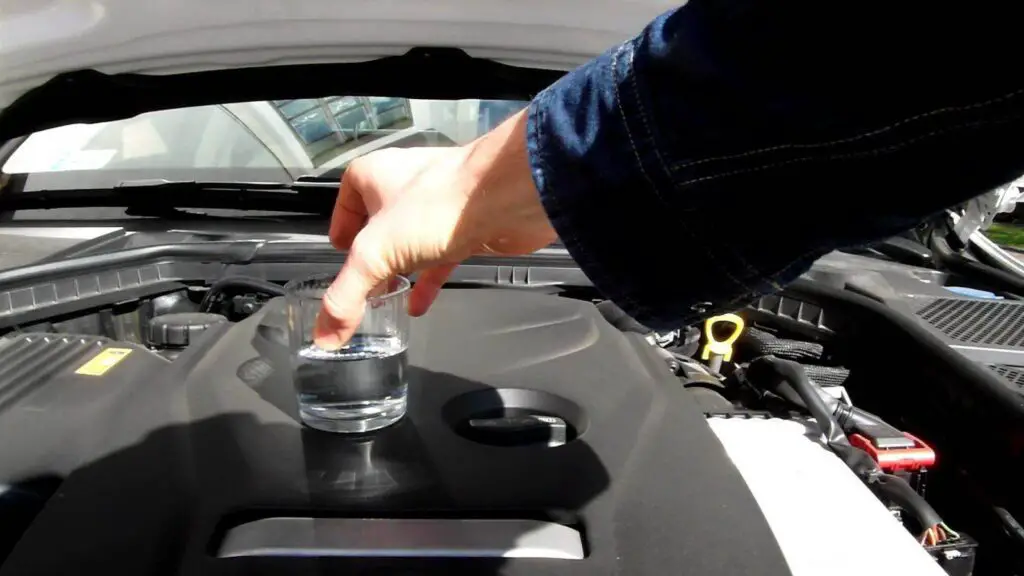
In order to solve any problem, you need to find its source, and the same goes for cylinder misfires. The easiest way for drivers is to check the diagnostic codes. The check can help you determine if your cylinders have one, several, or no misfires. The OBD-II scanner is a useful tool for this task that can be sold in all auto parts stores. As simple as it may seem, this first step will save you a lot of time and effort, rather than looking for a solution without a way out.
It’s best if you find that your cylinders have no problems. However, if they really have misfires, the reasons usually come from one of the four systems: control sensors, fuel supply, air supply, or computer. Drivers can check the amount of air, fuel, or ignition failure.
Step 2: Analyze the Problem
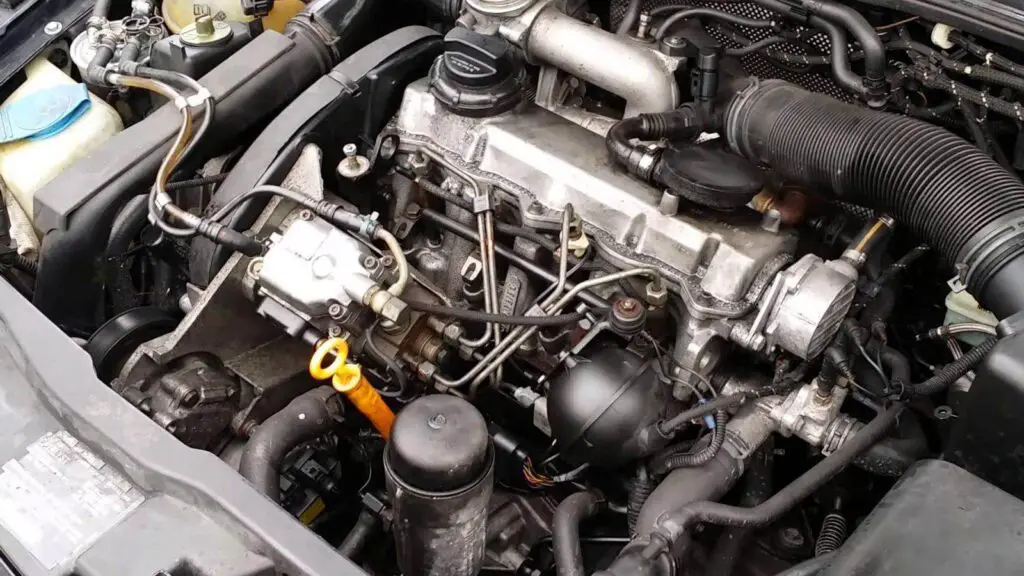
Understanding the problem from the start can be very helpful in this step, as different problems have different ways of solving: if you have single-cylinder misfires, this is often caused by engine failure. However, multiple random cylinder misfires can usually be caused by external sources rather than the engine itself. Finally, mechanical failure and an unbalanced rotating assembly cause no misfire codes.
Single Cylinder Misfire
The culprits of this problem are usually fuel injector problems or ignition failures. The advice for drivers here is to check the spark plugs, ignition coil, and spark plug wires. If the cylinder coil is broken, it is quite easy to determine and repair. However, many engines use one coil to power two cylinders, so if that single coil has a problem, both cylinders also die.
Also, if you get a lean status notification diagnostic code, you most likely have a faulty fuel injector.
Multiple Random Misfires
Many drivers don’t know this, but problems that affect the engine entirely like this are usually caused by “engine support” systems such as: air intake, fuel supply, or electronic systems. A dirty air flow sensor, sensor failure, and vacuum air leak can be potential culprits. Of course, air restrictions in the intake can also cause vibrations for your automobile.
Mechanical Failures
Problems with the camshaft, damaged head gasket, broken piston ring,… are mechanical problems, and they often make your car shake due to cylinder misfires. If you get no misfires, there is a high chance that you have an unbalanced rotating assembly, causing engine shaking. Many engines use balance shafts or a harmonic balancer to reduce the car’s engine shaking, so if you have one, check it, as it could be your source of the shaking problem.
Step 3: Replace Damaged Car Parts