
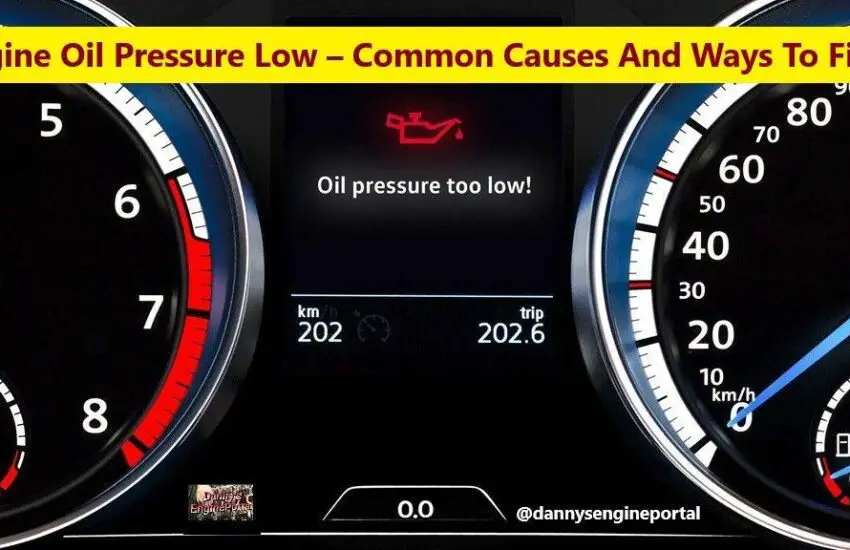
Low engine oil pressure is often the first sign of a serious problem. It typically manifests as a warning light that illuminates or flashes on your dashboard, sometimes accompanied by a drop in performance, abnormal engine noises, or even difficulty starting. It is crucial never to ignore this warning signal, as insufficient lubrication can lead to severe and very costly engine damage.
The Main Causes of Low Oil Pressure
Several malfunctions can be the cause of a drop in oil pressure. Identifying the source of the problem is the first step towards an effective repair.
Insufficient oil level or degraded oil
The most common cause is simply an oil level that is too low, due to a leak or excessive consumption. Aging engine oil, which has lost its lubricating properties and viscosity, can no longer ensure optimal pressure.
Oil filter failure
A clogged or blocked oil filter restricts oil circulation, preventing the proper pressurization of the lubrication circuit. It is imperative to replace it with every oil change.
Oil pump problem
The oil pump is the heart of the lubrication system. If it is worn or defective, it can no longer suck in and pump out the oil correctly, leading to a direct drop in pressure.
Engine oil dilution
In some engines, an injection problem or unburned fuel can flow into the oil pan and dilute the oil. This mixture loses viscosity, which directly affects the pressure.
Bearing and engine wear
Excessive wear of the crankshaft bearings or other internal components creates too much clearance. The oil then escapes without encountering resistance, which prevents it from building up pressure.
How to Diagnose and Solve the Problem
Immediate checks to perform
1. Check the oil level using the dipstick. If it is low, add oil of the correct viscosity without exceeding the maximum level.
2. Visually inspect the engine and the ground underneath for any possible oil leaks.
3. Check the oil quality by rubbing a little oil between your fingers. If it is black, very thin, or contains particles, an oil change is necessary.
Solutions and repairs
– Replace the oil and filter: A complete oil change with new product and a quality filter is often the solution.
– Have the oil pump diagnosed: A mechanic can test the actual pressure and determine if the pump is the cause.
– Mechanical inspection: If serious internal wear (bearings, bushings) is suspected, a more thorough investigation by a professional is necessary.
Acting quickly in the face of low oil pressure is essential to preserve the health and longevity of your engine. When in doubt, the intervention of an expert is always recommended.