
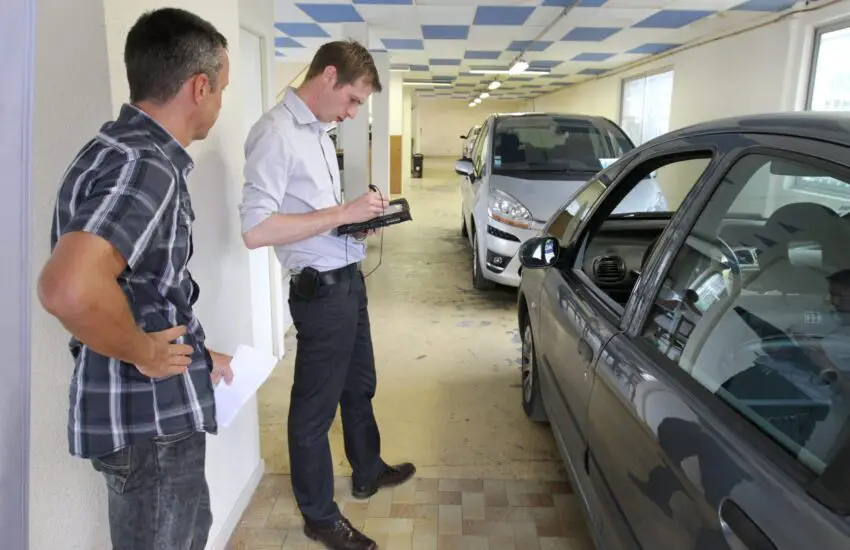
Most vehicle owners will eventually sell their used car and seek to get the best price for it. Yet, many are unaware that an accident, even if repaired, can cause their vehicle’s diminished value after an accident to drop by several hundred, or even thousands, of dollars.
When preparing to sell your car, it is essential to understand how diminished value after an accident can affect your finances. To illustrate this, let’s take the example of a popular brand car that was involved in a minor accident. Even after a complete repair, this car may sell for 15% below market price, simply because of its accident history. This can represent a significant loss, especially if you have to deal with a car loan.
Therefore, it is crucial to have tangible evidence showing the vehicle’s impeccable condition after its accident. Photographs of the car before and after repair, as well as invoices for the work done, can play a key role during resale. Furthermore, by consulting vehicle valuation sites like Kelley Blue Book or Edmunds, you can get a precise idea of the value drop due to the accident. This information can help you negotiate a fairer price with potential buyers.
Indeed, accidents are recorded in the vehicle’s history (such as CARFAX), allowing buyers to check them and negotiate a lower price. Discover why and to what extent an accident affects your car’s diminished value after an accident, as well as the steps to take with your insurance to limit losses.
It is important to note that diminished value is not just a number on paper, but a psychological factor for buyers. Even if they are well-informed about the repairs made, many will hesitate to pay the full price due to the fear that hidden defects may resurface later. Therefore, for car owners, it is vital to be transparent about the accident history to build trust with potential buyers.
Buyers’ perceptions can vary from one market to another. In some cases, luxury cars may retain a greater portion of their value even after an accident, while economy cars may be more severely affected. For this reason, it is also helpful to research sales trends in your specific area to better understand how the market reacts to similar vehicles. This could give you an additional advantage when selling your car.
Moreover, there are professionals who specialize in assessing damaged vehicles. These experts can provide a detailed report that can be used as an asset during the sale. This not only demonstrates your willingness to be transparent but also your commitment to getting the best possible price for your vehicle. Many buyers will appreciate this level of diligence and be more inclined to pay a higher price with tangible evidence to support it.
Why does a car lose value after an accident?
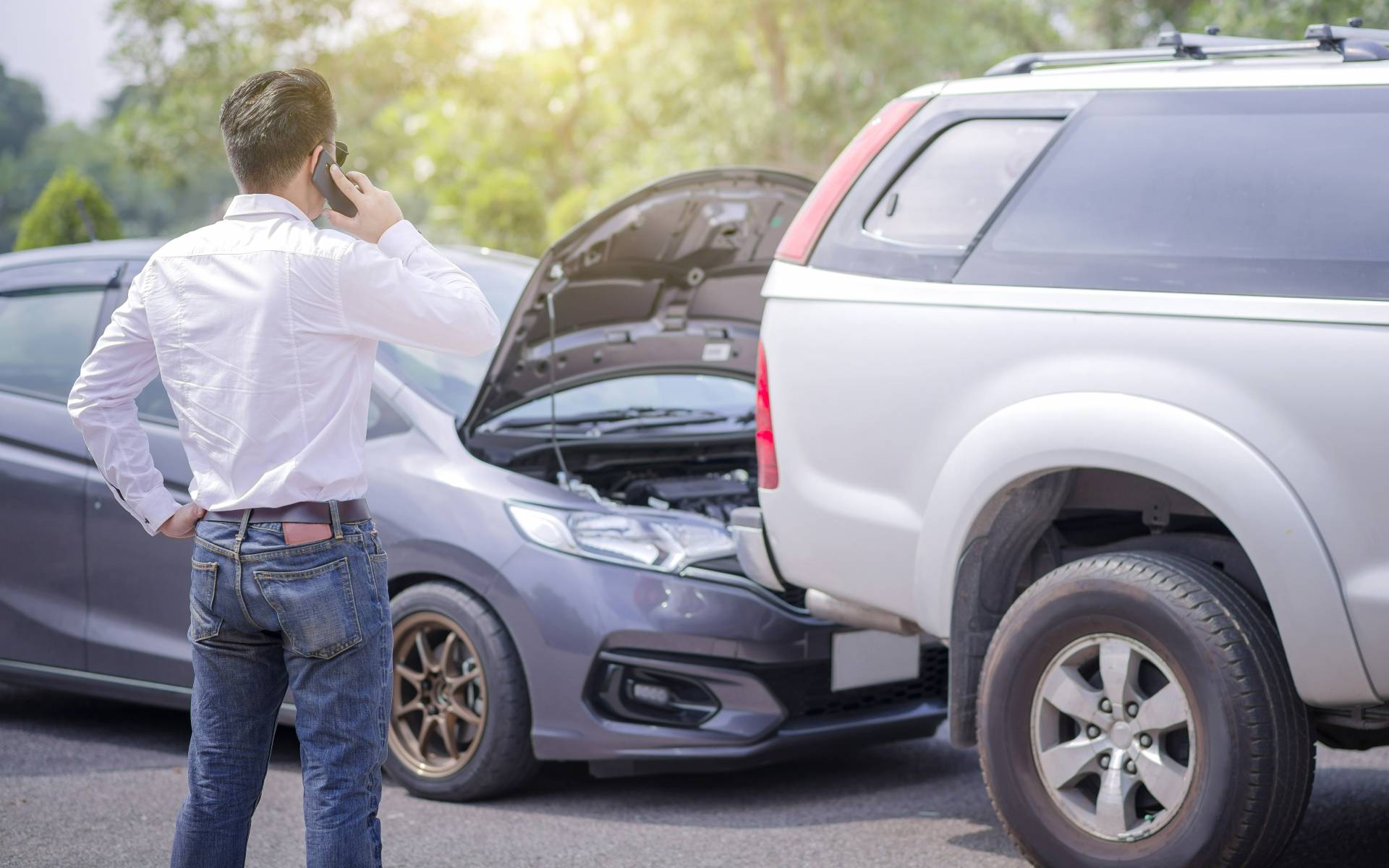
Every registered vehicle has a history accessible to buyers, mentioning any accidents it has been in. Even if perfectly repaired, a car that has been in an accident will always be valued less than a similar model that has never suffered damage.
Another interesting aspect to consider is the impact of the vehicle’s age at the time of the accident. For example, a relatively new vehicle may suffer greater depreciation compared to an older model. This is explained by the fact that buyers are generally more hesitant to invest in a vehicle with an accident history, especially if it has just left the factory. Thus, the resale strategy must be carefully planned, taking into account the vehicle’s age and overall condition.
Regarding depreciation, it is also essential to discuss broader economic trends that can influence the used vehicle market. For instance, during an economic recession, it is likely that the demand for used cars will decrease, which could exacerbate the diminished value after an accident. Understanding the economic context can help you choose the best time to sell your vehicle to minimize financial loss.
It is also wise to consider the type of damage caused to your car. For example, structural damage can have a more severe impact on your vehicle’s value compared to cosmetic damage. In some cases, buyers may even be reluctant to consider purchasing a car that has suffered structural damage, regardless of the quality of the repairs made. This underscores the importance of knowing your accident history and highlighting the repairs performed.
Buyers will rely on this history to negotiate a discount, often amounting to several thousand dollars. The extent of the depreciation depends mainly on the severity of the initial damage.
A repaired vehicle never regains the value of an intact model.
What is the depreciation rate after an accident?
In summary, managing diminished value after an accident requires not only an understanding of the numbers but also a strategic approach to selling. A vehicle owner must know how to navigate the process from reporting the accident to the insurance, through assessing the repairs, and finally to marketing the vehicle. All this may seem overwhelming, but with an informed approach, it is possible to minimize financial losses.
Normal Depreciation (without an accident)
From the moment of purchase, a new car loses about 20% of its value by becoming “used.” Then:
- 1st year: an additional -20%.
- First 3 years: -40 to 50% (depending on maintenance).
- 4th and 5th years: an additional -10 to 15%.
After 5 years, the residual value is between 35 and 50% of the original price.
Depreciation After an Accident
A vehicle that has been in an accident depreciates more quickly:
Finally, it is crucial to be proactive in preventing future accidents. This includes maintaining your vehicle in good condition, adopting careful driving habits, and using modern safety technologies. In the long term, this could not only reduce the risk of accidents but also preserve your car’s resale value. Remember that preserving your vehicle’s value is not only a financial issue but also a matter of personal safety on the road.
- Properly repaired: an additional -10 to 25% in value.
- Severely damaged: May be classified as a “salvage” (sold for less than $1,000 for parts).
How to get compensated for this loss of value?
If the accident is not your fault, you can request compensation for depreciation from the at-fault party’s insurance. Here are the steps:
- Have the vehicle appraised
Compare the value before/after the accident (e.g., $20,000 → $17,000 after repairs). - Contact the other party’s insurance
Provide the appraisal and an estimate of the value without the accident (using online tools like Kelley Blue Book). - Persist in case of refusal
Some states (like in the United States) require insurers to cover this loss.
If the at-fault party is not insured, check if your own policy covers property damage.
Conclusion
In conclusion, knowing how to manage diminished value after an accident is essential for every vehicle owner. By taking preventive measures and being well-informed about the steps to follow in case of an accident, you will be better prepared to face the challenges that arise, while protecting your investment. By arming yourself with information and being diligent, you will maximize your chances of compensating for the losses you might incur.
An accident leads to an inevitable financial loss, but recourse exists. To maximize your chances of compensation:
- Document precisely the vehicle’s condition.
- Consult local laws on insurance.
- Choose appropriate coverage (including depreciation if possible).
By anticipating these steps, you will limit the economic impact of an incident on the resale of your car.