
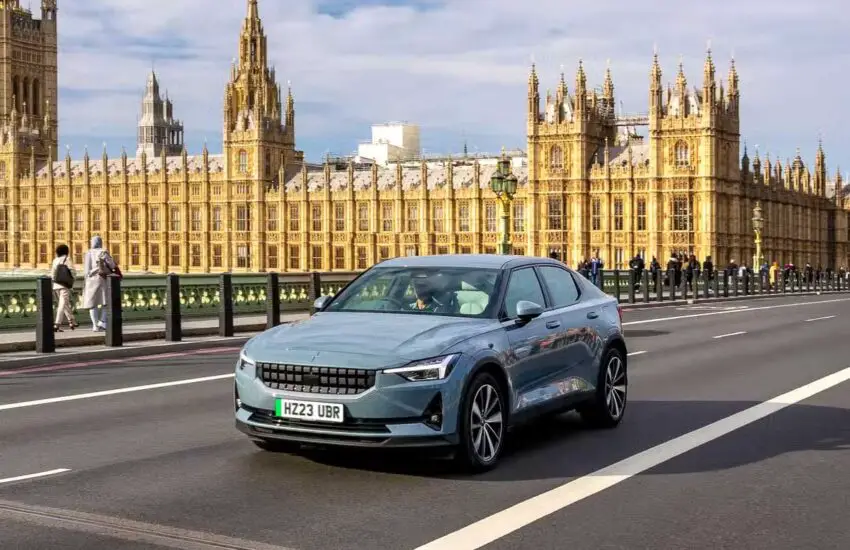
London’s Green Transport Incentive Shifts Gears
Transport for London has confirmed a significant policy change that will reshape urban mobility in the capital. Starting January 2026, electric vehicles will no longer be exempt from the city’s Congestion Charge, marking the end of a long-standing incentive for zero-emission transport.
Policy Reversal Signals New Transport Strategy
The decision represents a fundamental shift in London’s approach to managing traffic and promoting sustainable transportation. Initially introduced to encourage adoption of cleaner vehicles, the exemption has become increasingly difficult to justify as electric vehicle ownership has surged. City planners note that traffic congestion remains a critical issue regardless of vehicle propulsion type.
This policy adjustment aligns with the mayor’s broader strategy to reduce overall vehicle numbers in central London while improving air quality. The change comes as electric vehicles have moved from niche products to mainstream transportation options, with sales consistently growing year over year.
Impact on Urban Mobility and Environment
The removal of the Congestion Charge exemption is expected to generate additional revenue that will be reinvested into London’s public transport network. Funds will support the expansion of cycling infrastructure, bus services, and pedestrian-friendly initiatives across the city.
Environmental advocates have expressed mixed reactions to the announcement. While some acknowledge that reducing all vehicle traffic is essential for achieving climate goals, others worry the change might slow the transition to electric vehicles among certain consumer segments.
Transport authorities emphasize that the decision reflects London’s evolving transportation needs rather than diminished commitment to environmental objectives. The city continues to invest in charging infrastructure and other incentives to support sustainable transportation choices.
Future of Urban Transport Planning
This policy shift signals a new phase in urban transport management where vehicle access restrictions may increasingly focus on congestion reduction rather than emission type alone. Other major cities worldwide are closely monitoring London’s approach as they develop their own strategies for balancing environmental goals with practical mobility needs.
The transition period until 2026 provides ample time for current electric vehicle owners and prospective buyers to adjust their transportation planning. The change underscores how cities must continually adapt policies as technology and adoption patterns evolve.