
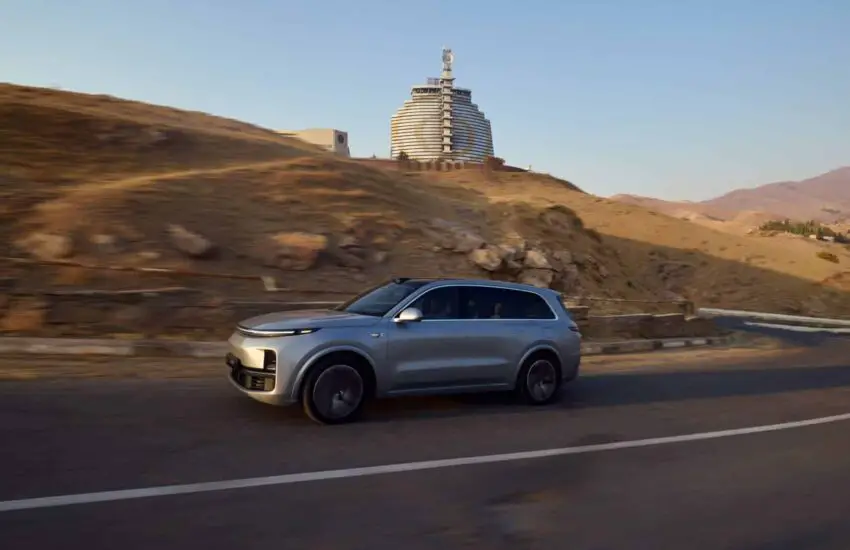
LI Auto Goes International
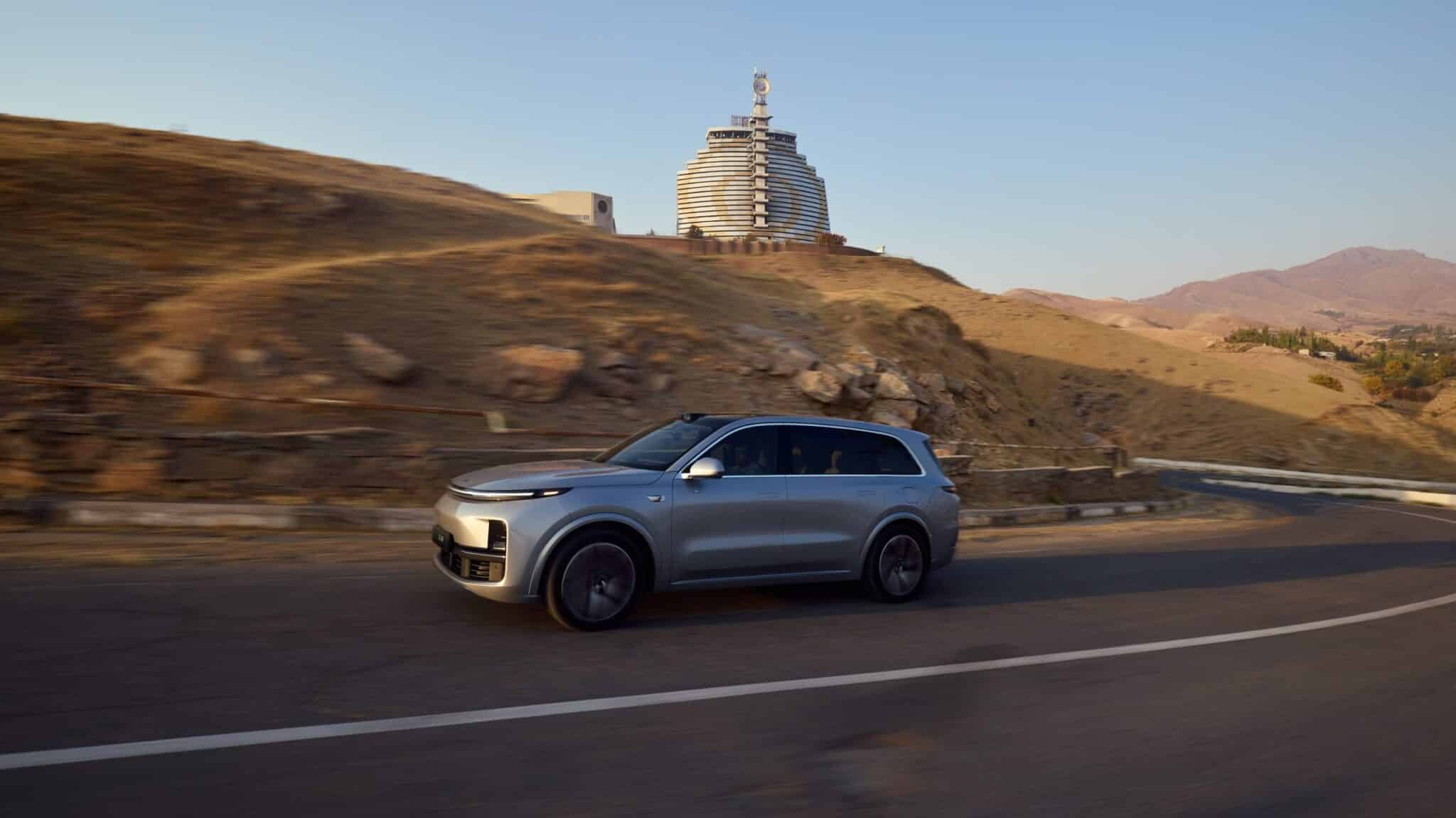
Until now, the success achieved in China did not push LI Auto to market its vehicles internationally. However, recent strategic setbacks are now prompting the automaker to accelerate its internationalization phase. Entering the European continent is a possibility seriously considered by management.
A Revised Chinese Strategy
LI Auto, an automaker specializing in electric and hybrid vehicles, has experienced remarkable growth in its domestic Chinese market. For several years, strong local demand and impressive sales volumes were enough to keep the company in a strategic comfort zone. This dominant position in the national market made international expansion less urgent.
Nevertheless, the recent evolution of the Chinese automotive market, marked by intensifying competition and slowing growth, has forced LI Auto to reconsider its strategy. Recent quarters have demonstrated the need to diversify commercial outlets to ensure sustainable long-term growth.
First Steps Towards Internationalization
The decision to explore international markets represents a significant turning point in LI Auto’s history. This strategic direction is part of a broader trend observed among several Chinese automakers seeking to extend their influence beyond their national borders.
The first concrete signs of this internationalization are already appearing with establishments in selected countries, carefully chosen for their growth potential and compatibility with LI Auto’s product offerings. These test markets will serve as a springboard for more ambitious expansion.
Europe: A Strategic Market
The European market represents a particularly important challenge for LI Auto. Several factors explain this strategic interest. Firstly, Europe has a well-developed electric charging infrastructure, particularly in Western European countries. Secondly, government policies favorable to electric vehicles create an environment conducive to the introduction of new players.
Thirdly, the growing environmental awareness of European consumers perfectly matches the positioning of LI Auto’s vehicles. Finally, the market’s size and purchasing power make it a prime commercial target for any ambitious manufacturer.
Challenges to Overcome
However, entering the European market will not be without challenges for LI Auto. The manufacturer will have to adapt to technical and environmental regulations different from those in force in China. Certifying vehicles according to European standards represents a complex and demanding process.
Furthermore, competition in the Old Continent is particularly fierce, with well-established historical players and a multitude of new entrants in the electric vehicle segment. Building a distribution and after-sales service network also constitutes a significant logistical and financial challenge.
A Progressive Approach
According to automotive industry observers, LI Auto would likely adopt a progressive approach for its European establishment. The manufacturer might initially target specific markets with particularly favorable conditions, such as some Scandinavian countries where electric vehicle penetration is already advanced.
This strategy would allow LI Auto to accumulate experience in the European field before tackling more competitive markets like Germany, France, or the United Kingdom. Adapting models to the tastes and expectations of European consumers will also be a determining factor for success.
Outlook and Timeline
Although no official timeline has been communicated by LI Auto, analysts estimate that an entry into the European market could occur in the coming years. Upstream preparation, including vehicle certification and network establishment, requires significant maturation time.
LI Auto’s internationalization strategy is part of a long-term vision, where geographical diversification should help reduce dependence on the Chinese market and stabilize financial performance in the face of cyclical fluctuations in the automotive sector.