
Wack: The Gas-Powered Lexus LX 700h Has Less Range Than an Electric Rivian R1S
Concerns about electric vehicle range may not only be exaggerated but also misdirected. This realization ironically came to me while driving a gas-powered Lexus.
Surprising Range Comparison
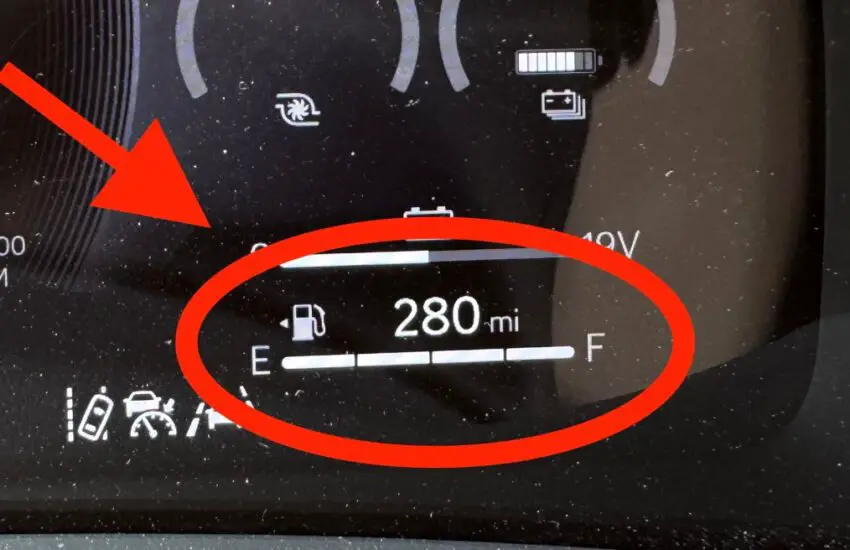
During a week-long test of the 2025 Lexus LX 700h hybrid, I took three road trips. From the first journey, I noticed that the maximum range of this hybrid off-road SUV might be limited to 280 miles, or even less. I’ll elaborate on this observation, but I immediately realized that on paper, the electric Rivian R1S offers greater range than the hybrid Lexus LX before needing to refuel, and this difference could hold true in real-world driving conditions. At the very least, the electric vehicle would compete with the gas-powered one.
Disappointing Energy Performance
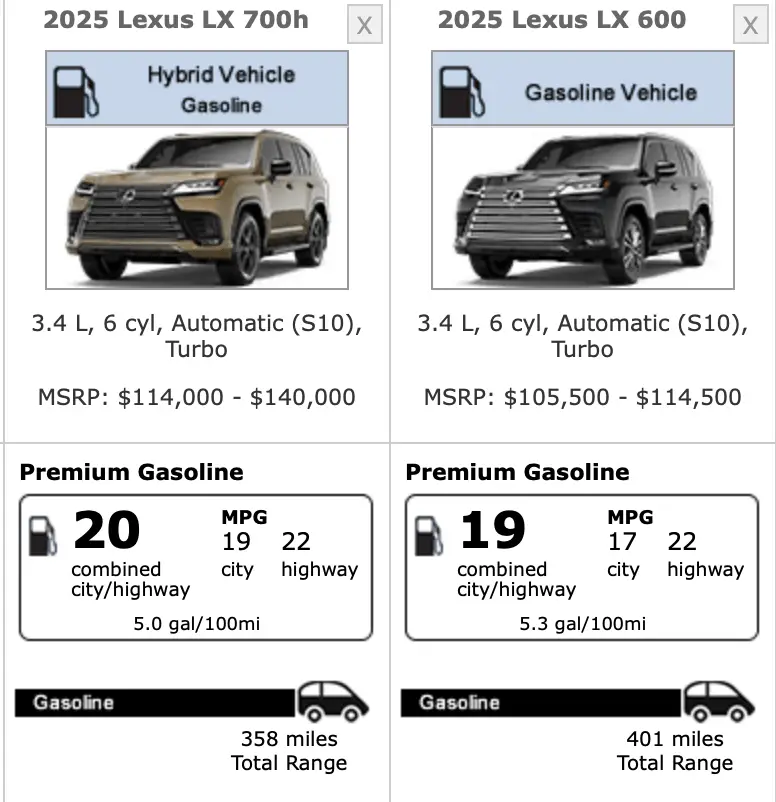
The EPA fuel economy estimates for the 2025 Lexus LX 700h are 19 mpg in the city, 22 on the highway, and 20 combined. For those following comparisons, these figures represent only a minimal improvement over the non-hybrid LX 600’s ratings of 17/22/19 mpg.
Reduced Fuel Tank for the Hybrid Model
More problematic, the hybrid model’s battery significantly encroaches on space, forcing engineers to equip the hybrid version with a smaller fuel tank than the exclusively gas-powered LX. With a capacity of 17.97 gallons, the hybrid LX’s tank holds 3.17 gallons less than the non-hybrid model. This reduction results in an EPA-estimated range of 358 miles for the LX 700h, compared to 401 miles for the non-hybrid LX 600. These ranges are calculated based on city cycle fuel consumption.
Unexpected Advantages of Electric Vehicles
This comparison highlights an interesting paradox: an electric vehicle like the Rivian R1S can now compete with, or even surpass, the range of a high-end hybrid SUV under real-world usage conditions. While drivers traditionally worry about the limited range of EVs, this demonstration suggests that the gap is significantly narrowing.
Practical Considerations for Long Trips
For owners who regularly take long trips, the range difference between these two technologies becomes an increasingly relevant selection criterion. As electric charging infrastructure rapidly develops, the traditional range advantage of gas-powered vehicles is gradually diminishing.
Evolving Perceptions
This analysis challenges preconceived notions about electric vehicle limitations. As the automotive industry accelerates its electric transition, range comparisons between gas-powered and electric vehicles are becoming increasingly tight, fundamentally changing the criteria for evaluating automotive performance.