
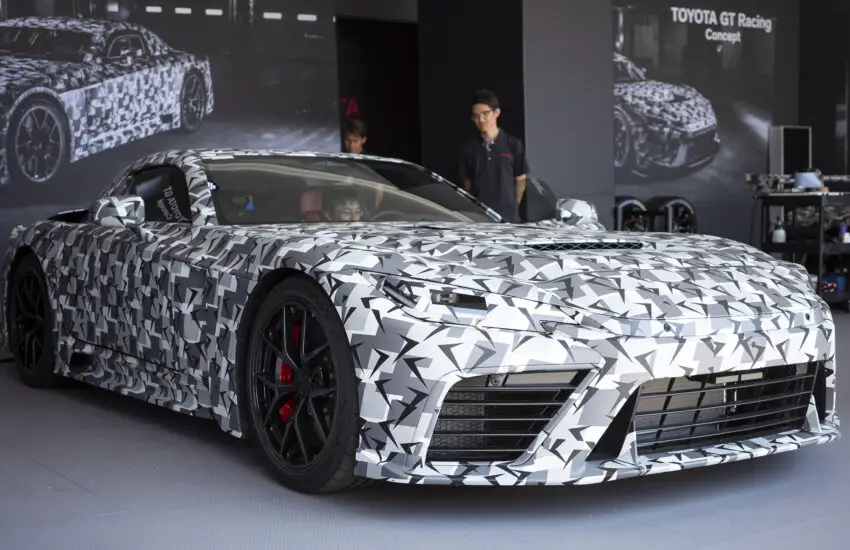
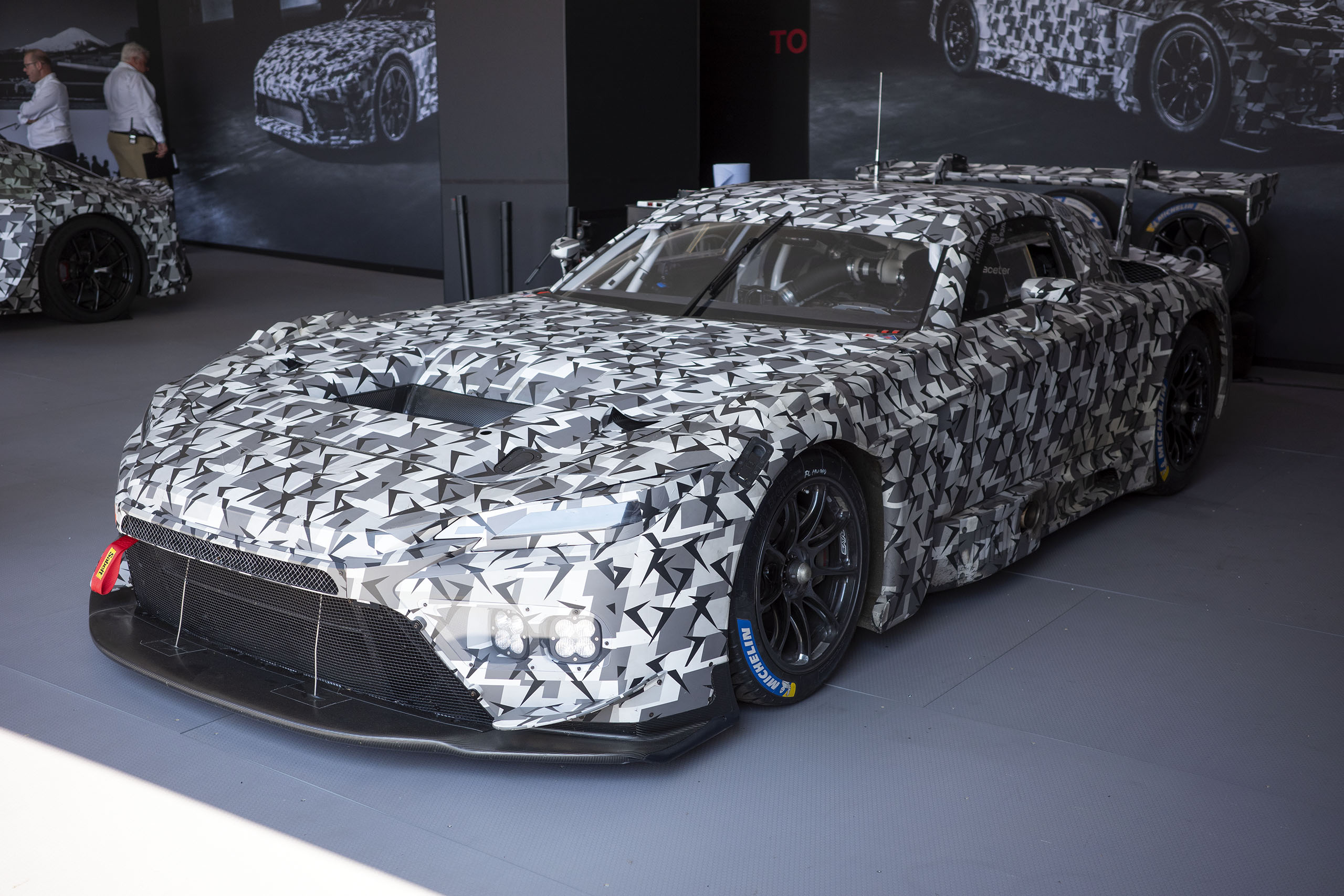
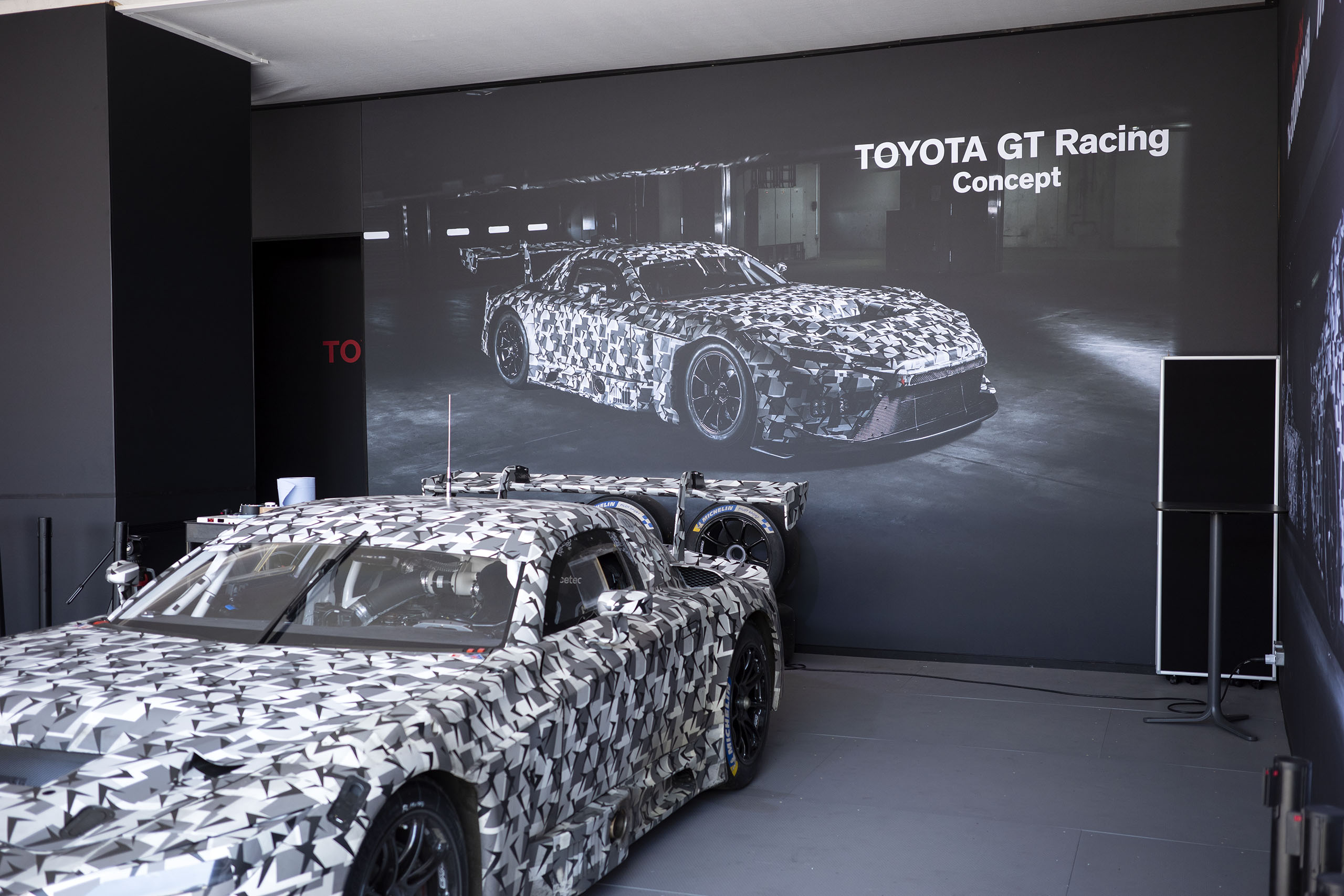
It appears the Lexus LFR may not be ready to race in 2026. Toyota, Lexus, and Gazoo Racing are working on a new flagship car, a supercar that everyone calls the LFR. This model is intended to both succeed the legendary LFA and compete in GT-type competitions worldwide. The project has never really been a secret, following the presentation of several concepts, the release of spy photos, and a running demonstration of camouflaged race and road versions at the Goodwood Festival of Speed this summer. Development is taking time, but a potential delay on the motorsport side raises questions about its competition debut date, and thus the timeline for the road version.
An Uncertain Motorsport Schedule for 2026
According to a report from Sportscar365, Toyota’s GT3 car is “unlikely to race” in the World Endurance Championship (WEC) in 2026. This absence could also affect other major championships, such as the IMSA SportsCar Championship. The main concern is that if the LFR were to compete in events like the 24 Hours of Daytona in January, it should have been publicly unveiled by now. A Toyota spokesperson reportedly “declined to comment” on the situation.
A Possible Appearance Elsewhere Before a Full Campaign
Even if this officially unnamed GT3 car does not compete at Le Mans or Sebring next year, it could make its debut elsewhere. Toyota has a history of testing its experimental sports cars in the Japanese Super Taikyu championship, where homologation rules differ from those of WEC and IMSA. A full campaign could then begin in 2027, representing a significant delay from initial announcements. Already in 2023, Motorsport.com reported that “delays in the planned launch of the GR GT3 road car” had pushed the schedule from 2025 to 2026. Today, even that deadline seems compromised.
Is LFA History Repeating Itself?
In a way, history seems to be repeating itself. While the LFA did not have a true homologated GT counterpart, Lexus took a considerable amount of time to develop it. The first concept car heralding the LFA was unveiled in 2005, although the project had already been underway for five years. Engineers switched from an aluminum structure to a carbon fiber monocoque mid-development, delaying the presentation of functional prototypes until 2008, during VLN endurance races at the Nürburgring. The production LFA finally debuted in October 2009.
Technical Specifications and Regulatory Challenges
For now, we will likely have to make do with new spy photos and rumors. The LFR is expected to be powered by a twin-turbocharged V8 engine assisted by hybrid technology. A report from Japanese media in August suggested that accumulated delays have worsened the timeline, as the car is now subject to new anti-pollution regulations that it might have avoided if released earlier. We can only hope that the LFR makes it to the track and the road soon, whatever the difficulties.