
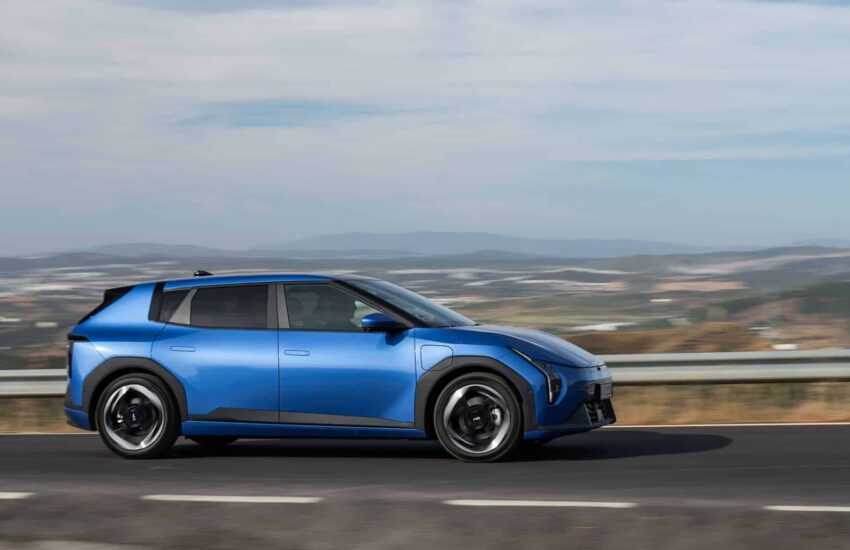
Kia’s Strategic Shift in European Electric Vehicle Manufacturing
Kia Corporation is executing a dramatic transformation of its European manufacturing strategy, moving from reliance on Asian imports to establishing substantial local production capacity. This strategic pivot represents one of the most significant industrial developments in the European electric vehicle sector, positioning Kia to compete more effectively against established European manufacturers while reducing delivery times and import-related costs.
Expanding European EV Lineup with EV2, EV3, and EV4
The Korean automaker’s European expansion centers around three new electric models designed specifically for European market preferences. The EV2 will serve as the entry point to Kia’s electric range, offering compact dimensions ideal for urban environments. The EV3 is positioned as a versatile compact crossover combining practical space with efficient electric performance. Completing the trio, the EV4 introduces a sleek sedan design with premium features targeting the executive segment. Each model incorporates Kia’s latest battery technology and charging innovations.
Manufacturing Infrastructure and Economic Impact
Kia’s production tripling initiative involves substantial investment in existing European manufacturing facilities, particularly the company’s extensive operations in Slovakia. This expansion will create thousands of direct and indirect jobs while strengthening the European EV supply chain. Localizing production allows Kia to respond more rapidly to market demands and avoid potential import tariffs, making their electric vehicles more price-competitive. The manufacturing scale-up also supports Europe’s broader transition to sustainable transportation.
Market Positioning and Competitive Landscape
By establishing robust local manufacturing capabilities, Kia aims to capture a significantly larger share of Europe’s rapidly growing electric vehicle market. The company’s strategy addresses two critical consumer concerns: availability and affordability. With production localized within Europe, Kia can reduce waiting times for vehicle delivery while potentially offering more competitive pricing compared to imported alternatives. This approach also demonstrates Kia’s long-term commitment to the European market as regulatory deadlines for combustion engine phase-outs approach.