
The Electric Vehicle Maturity Debate
Declaring the electric car “mature” is a deliberately provocative starting point for a crucial discussion. It forces us to move beyond simplistic narratives and examine the current state of EV technology with a critical, yet forward-looking eye. While significant hurdles remain, the core proposition of electric mobility has proven itself viable and is evolving at a remarkable pace.
Beyond Early Adoption
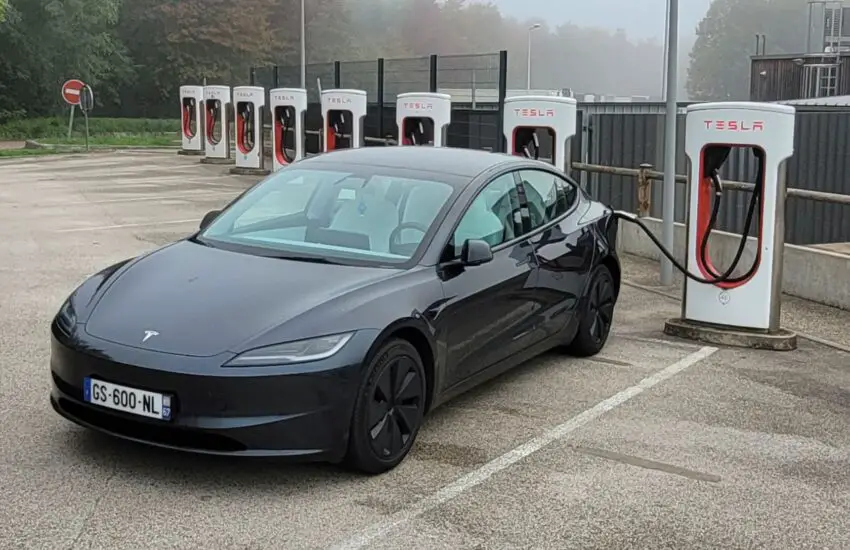
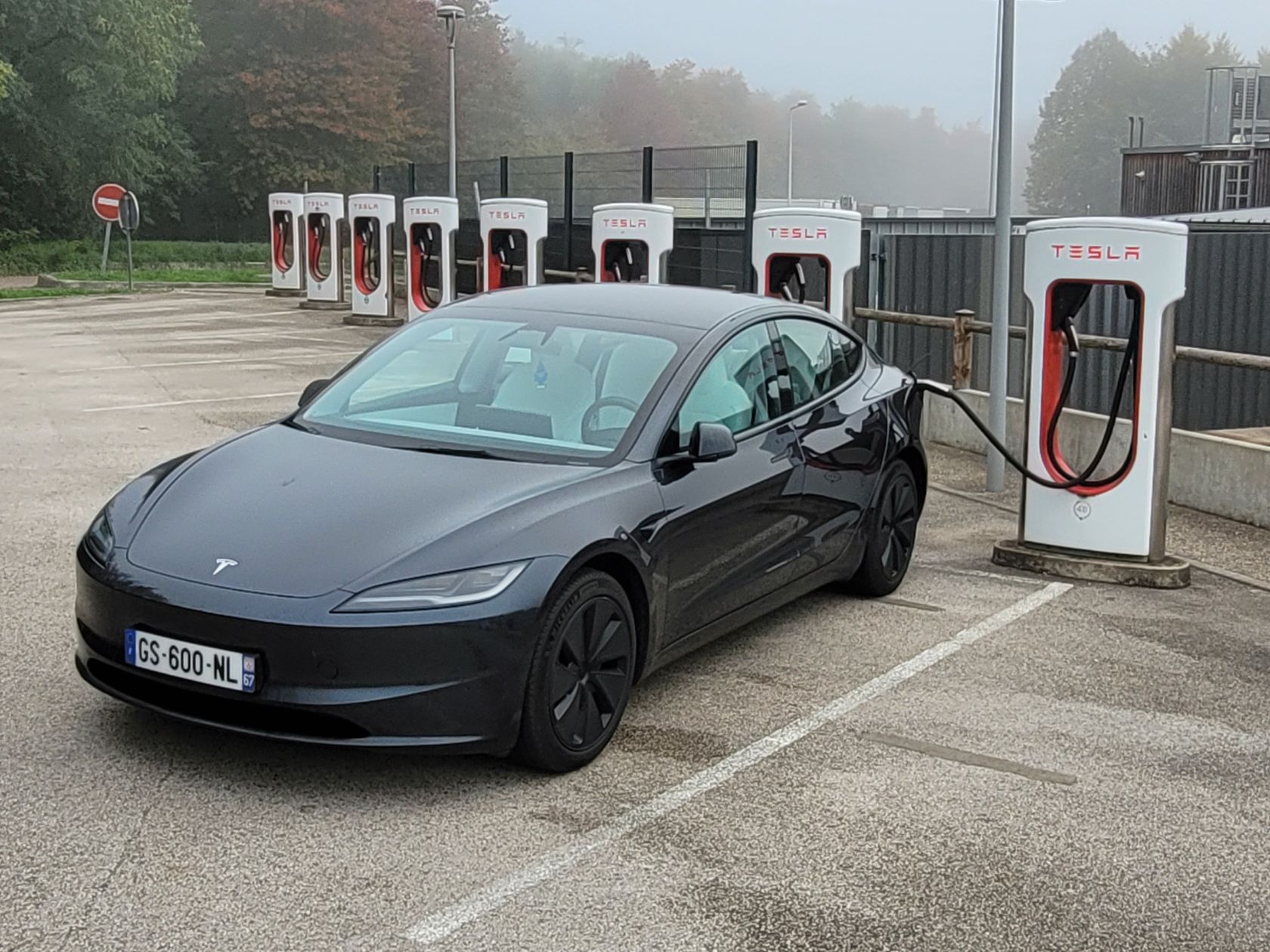
The era of the electric vehicle as a mere prototype or niche product is over. Today’s models offer ranges that comfortably exceed the daily needs of most drivers, with rapid charging networks expanding globally. Performance is no longer a question, with instant torque delivering acceleration that rivals supercars. From this perspective, the technology has matured to a point of mainstream competence and consumer acceptance.
The Path to Full Maturation
True maturity, however, involves overcoming persistent challenges. The next phase of development focuses on three key technical frontiers:
Battery Innovation: The quest continues for batteries with higher energy density, faster charging cycles, and reduced reliance on scarce materials. Solid-state batteries represent a promising horizon for a major leap forward.
Charging Infrastructure & Grid Integration: Ubiquitous, reliable, and ultra-fast charging is essential. Future progress hinges on standardizing networks and developing smart grid solutions to manage energy demand effectively.
Sustainability & Cost: Full lifecycle sustainability, from ethical material sourcing to efficient recycling, is critical. Simultaneously, achieving cost parity with internal combustion vehicles through manufacturing scale and new battery chemistries remains a primary goal.
A Maturing Ecosystem
Ultimately, the maturity of the electric car is not just about the vehicle itself, but the ecosystem that supports it. We are witnessing the simultaneous evolution of energy storage, renewable energy generation, and smart software integration. The journey is ongoing, but the foundation is solid. The question is no longer if electric mobility will become the norm, but how quickly and efficiently we can navigate the final steps toward its complete, sustainable integration.