

There are too many types of oil circulating in the car that people generally confuse between the types of oil and their use. Questions such as “Is engine oil the same as transmission oil” also come to mind? Is it a question you have been asking for a while now? If so, then you are in the right place. All your confusion will be clarified below.
Is Engine Oil the Same as Transmission Oil? Know Here!
Engine oil and transmission oil are not the same thing! Some think it’s the same, but the scenario is quite the opposite. Read below and discover the actual difference between the two.
1. Functions
Engine oil is used to properly lubricate or grease the internal combustion engine. Simply put, engine oil is useful when friction between moving parts needs to be minimized and the engine needs to be free of sludge.
On the other hand, transmission oil is used by the steering system to maintain its proper functioning. Transmission oil is generally used in vehicles with automatic transmissions and maintains the communication of the gear system in the best possible way. This is the major difference that clarifies your doubt “Is engine oil the same as transmission oil“.
2. Appearance and Other Properties
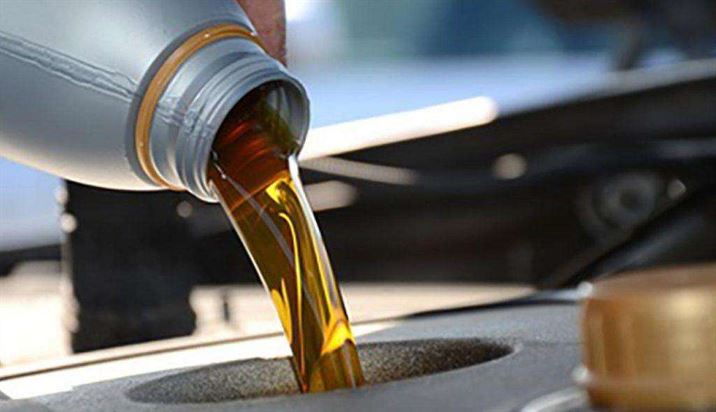
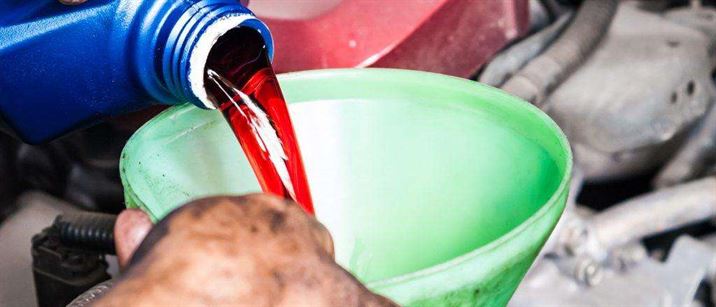
Engine oil is amber in color, but with use, it can become darker. The cloudy color indicates high heat, the presence of contaminants, and the existence of contaminants. As for transmission oil, its color ranges from red to green. Another major difference lies in the duration of use.
Engine oil must be drained from time to time to remove contaminants that must have collected. The same is not the case for ATF (Automatic Transmission Fluid). The latter is rather a closed system that sees no contaminants and lasts longer.
3. Purpose
Engine oil is appropriate for improving sealing, keeping the engine cool, protecting it from rust and corrosion, keeping the engine free of sludge, and, of course, for lubricating engine parts. On the other hand, when it comes to transmission oil, the role changes a bit.
ATF lubricates transmission parts, cools the transmission, and ensures the proper functioning of hydraulic parts. Apart from that, ATF protects the transmission from rust and corrosion and also provides sealing assistance. Refer to the maintenance tips to learn more about how to check transmission fluid for manual or automatic cars.
What Happens If You Put Engine Oil in the Transmission System?
Putting engine oil in the transmission system can cause serious damage, ranging from irritating to fatal. Here’s what can happen if engine oil is mistakenly added to the transmission system:
Insufficient Lubrication
Engine oil is specially formulated to lubricate the moving parts of the engine. It has a different viscosity and additives than transmission fluid, which is designed to provide lubrication and hydraulic pressure to transmission components. Engine oil does not have the necessary properties to effectively lubricate transmission components, leading to inadequate lubrication. This can result in increased friction, wear, and potential damage to transmission components.
Clutch Slippage
In a manual transmission, engine oil can cause clutch slippage. The clutch relies on friction to engage and disengage transmission gears. Engine oil, with its different properties, can reduce the required friction, causing the clutch to slip. This results in a loss of power transfer from the engine to the transmission and can lead to poor acceleration, reduced energy efficiency, and potential damage to clutch components.
Damage to Transmission Components
Engine oil is not designed to withstand the high temperatures and pressures encountered by transmission fluid. As a result, transmission components, such as gears, bearings, and seals, may not receive adequate protection. Over time, this can lead to increased wear, overheating, and potential failure of these vital components.
Fluid Contamination
Mixing engine oil with transmission fluid can contaminate the transmission system. This can compromise the integrity of the transmission fluid, thereby reducing its ability to effectively perform its intended functions. Contaminated fluid can lead to poor shifting, increased heat buildup, and potential damage to the transmission system.