
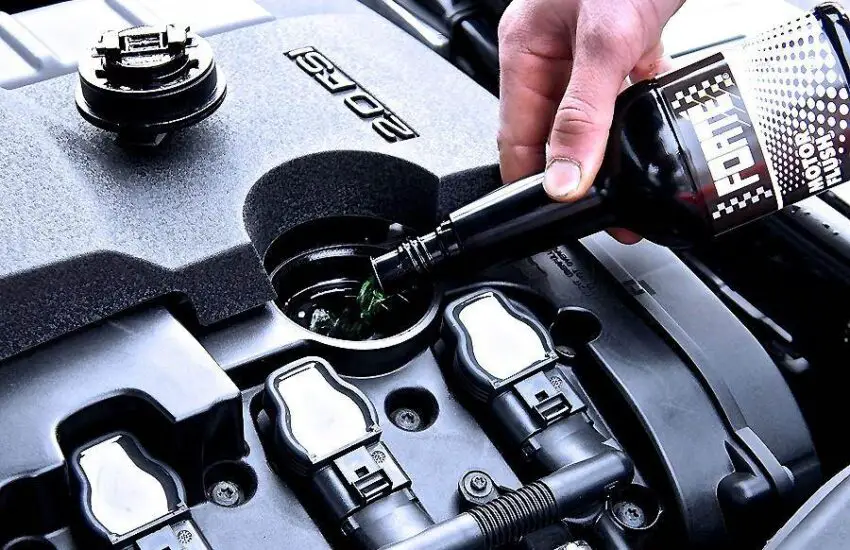
Is engine flushing good or bad? You will hear many arguments from both sides on various online forums. However, most automotive experts will suggest not doing it, while mechanics and people running auto maintenance shops will advocate for it.
What is an engine flush?
An engine flush is a process of cleaning the sludge and grime deposited in your engine over the years. You need to add a chemical additive to the oil and pour the mixture through the oil filler cap.
Let the car idle for 10 to 15 minutes, allowing the oil mixed with additives to circulate through all engine parts and dissolve dirt deposits. Then, you need to flush the oil, replace the oil filter, and refill the engine reservoir with fresh oil.
Like synthetic or synthetic blend engine oils, engine flush contains additives that clean the internal moving components of the engine and enhance performance.
The fundamental idea behind engine flushing is that it will remove any trace of combustion-related buildup in your engine, leaving it clean and more functional.
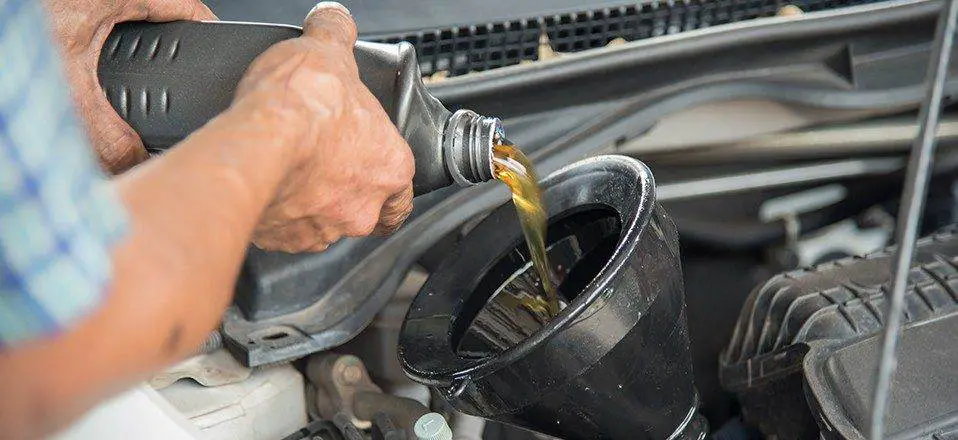
The detergent and dispersant packages already included in modern engine oils do an excellent job of cleaning lubricated surfaces and preventing sludge deposits from forming on them. But these additives only have a limited shelf life.
Oil sludge can also accumulate in areas you don’t want if you don’t replace your oil as often as you should. In this situation, an engine flush might be your best choice.
Benefits of flushing an engine
An effective engine flush will help dissolve sludge and remove deposits, thereby restoring your engine to a like-new condition. Therefore, it can be the first step in getting a neglected car back to its original state.
Engine flushing can also increase fuel efficiency. Internal contamination of your engine can cause oil degradation and an increase in viscosity.
Sludge and deposits that accumulate on engine components can also increase resistance, leading to a loss of gasoline. To maximize fuel efficiency and save money, cleaning your engine with an engine cleaner can allow parts to operate more easily.
The ability of an engine flush to reduce emissions is a benefit that will only gain importance in the coming years.
Due to the possibility of piston ring sticking, which we explained earlier, oil can enter the combustion chamber and ignite.
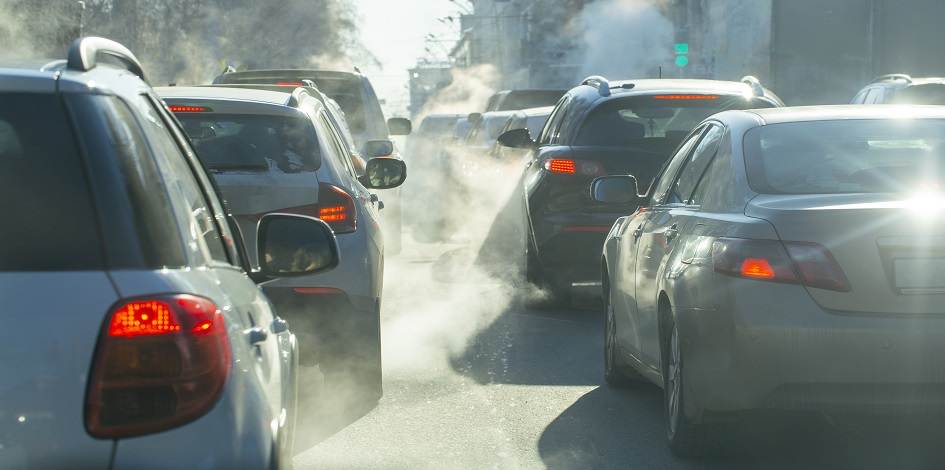
When the consumed oil leaves the engine, it will produce dangerous deposits, which will increase exhaust emissions. The best oil flush solution helps free stuck rings and reduces oil consumption, thereby reducing pollutants.
Disadvantages of flushing an engine
However, there are some possible risks associated with using engine flush, and many people have claimed that it can damage the engine.
According to Ford, engine flush products should not be used. “Do not use oil additives or other engine treatments,” the company advises. They could damage the engine under certain circumstances.
If you use one and an engine problem occurs later, your warranty will be voided. Perhaps one of the most concerning aspects is the following. Your warranty may be worthless even if the engine is not damaged.
And if something else is wrong with your automobile that has nothing to do with the engine, you may no longer be able to have it repaired by the manufacturer under warranty.
Because they fear that the chemicals could react with the rubber or plastic components of the engine while removing dirt and sludge and lead to premature deterioration and engine failure, many manufacturers advise against using engine flush.
Some car enthusiasts fear that engine flushing could transfer chunks and deposits from the engine’s key parts, thereby allowing them to damage more crucial components.

Instead of being concentrated in just a few places, the sludge can then spread more widely throughout the engine, which can lead to a further drop in performance.
Engine flushes can pose the most risks when used in high-mileage vehicles. The engine seals of vehicles with a long lifespan may be worn and leaking.
In these situations, the mixture of oil and sludge works effectively as a sealant, keeping them alive and concealing their actual condition.
It is absolutely not worth flushing the engine if this is the case with your engine.
It would be better to leave things alone and avoid disturbing the sludge, which could be the only effective defense against oil leaks beyond the seals of the old engine. If you use it in this circumstance, your engine risks leaking or worsening.
How does sludge form inside the engine?
Failing to change the oil regularly is the main reason for the formation of deposits and sludge inside the engine components.
Some drivers have the habit of waiting too long between oil changes, and some don’t even care about it unless the engine shows a warning sign.
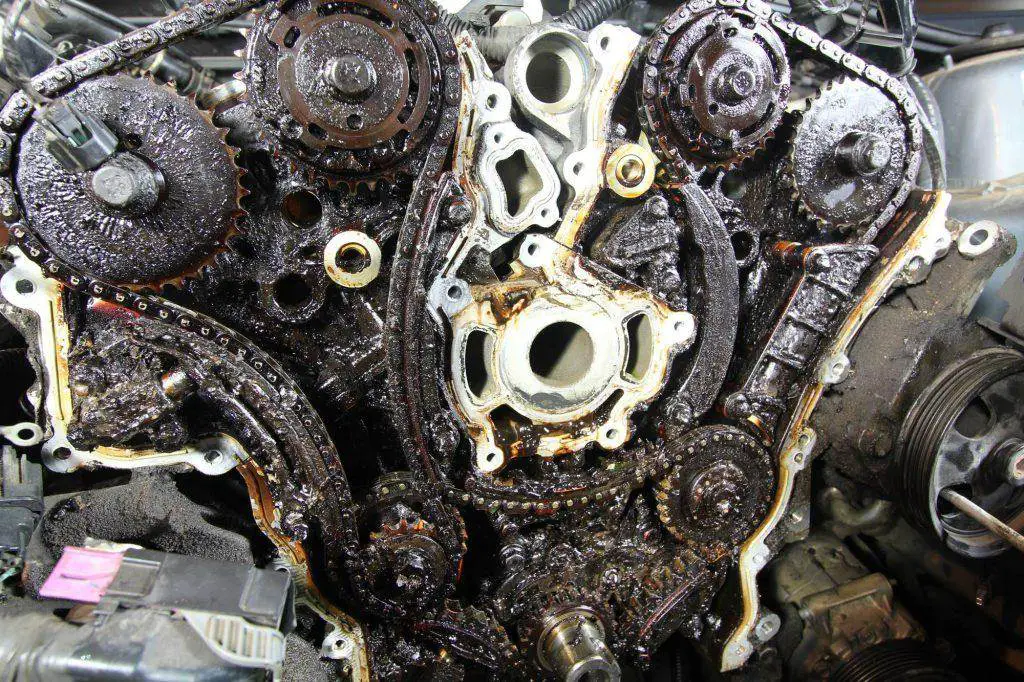
The two other common causes of grime buildup are:
- Driving mainly with stops and starts
- Leaving the car in the garage for months
Not driving the car for a long period will block the engine components. This happens mainly in winter when condensation forms because the extreme cold does not allow the oil to circulate through all the engine parts.
Is doing an engine flush a good or bad thing?
Flushing is not necessary for an engine that changes the oil at the intervals prescribed by the manufacturer or based on mileage and driving conditions. Furthermore, the owner’s manual never suggests flushing the engine.
However, a flush is not a bad idea if you are spending money on a used car that has traveled 100,000 km or more and is used to not changing the oil regularly.
Not changing the oil can create a visible buildup of sludge in cars that travel well under 100,000 km.
Thick layers of deposits can cause serious driving problems, the engine light coming on, a severely damaged crankshaft, blockage of the oil pickup tube, and other engine problems.
Since flushing removes dirt and impurities from the engine mechanism, it is not a bad option when needed. Furthermore, it cleans the engine components and keeps the new oil free from dirt and other particles.

Watch this video by Owen Lucas to learn more about how to properly flush an engine!
Conclusion
So, if you are faced with the dilemma of whether engine flushing is good or bad, you must make a decision after examining the vehicle’s condition. If it is an old car and has traveled many kilometers, you should choose this option.
Flushing will clean the engine and allow the car to run for many more kilometers. However, a well-maintained and serviced car that regularly changes its oil will not need it. The truth is that most cars will never need an engine flush.