
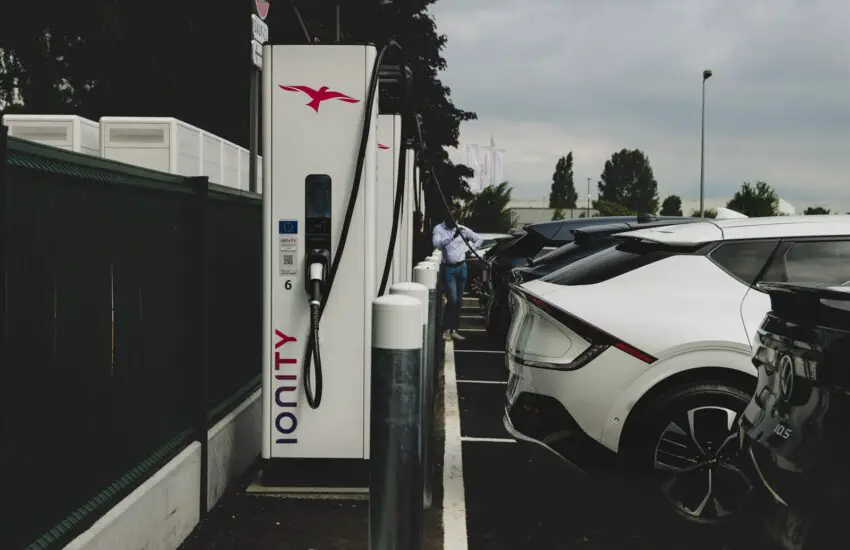
Ionity Expands Access in Major Interoperability Move
The European high-power charging network Ionity has announced a strategic shift, opening its extensive network of ultra-fast charging stations to customers of select competing operators. This move mirrors a similar initiative by Electra and signals a pivotal evolution in Europe’s electric vehicle infrastructure, driven by user demand for simpler, more unified access.
A Step Towards Seamless EV Travel
For years, EV drivers have navigated a fragmented landscape, requiring multiple apps and subscriptions to access different charging networks on long journeys. Ionity’s decision directly addresses this pain point. By enabling interoperability, the company aims to reduce complexity for drivers, allowing them to utilize its premium charging hubs—often located on major highways—through their existing service provider’s account or app. This enhances convenience and could accelerate EV adoption by alleviating range anxiety related to charger access.
Navigating a Complex Implementation
While the principle of open networks is straightforward, the practical execution is intricate. Successful interoperability requires deep technical integration between different platforms, encompassing real-time data exchange on charger status, seamless billing and payment processing, and unified customer support protocols. The rollout is expected to be phased, starting with specific partner networks before potentially expanding further. This complexity explains why such open-access models, though highly requested, have been slow to materialize at scale.
The Competitive Landscape Reshaped
Ionity’s strategy reflects a broader trend where competition is increasingly balanced with collaboration. Networks are no longer competing solely on exclusive infrastructure but on the quality, reliability, and ease of the charging experience. For Ionity, opening its network can drive higher utilization rates of its stations. For the industry, it sets a new standard, pushing other major players to consider similar open-access approaches to remain competitive and meet regulatory expectations favoring driver convenience.