
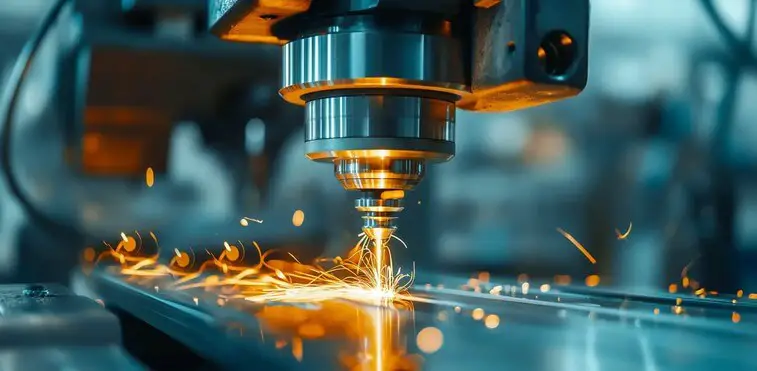
In the rapidly evolving technological landscape, the manufacturing of new energy vehicles (NEVs) is undergoing significant transformation. This transition is driven by the urgent need for sustainability and efficiency in automotive production. As manufacturers strive to meet growing consumer demand and stringent regulations, intelligent CNC machining is emerging as a crucial component of the factory of the future.
The Challenges of Electric Vehicle Manufacturing
The increasing demand for eco-friendly transportation solutions has accelerated the growth of the NEV market. However, this transition presents significant challenges, including the complexity of modern designs that require intricate components to be produced with high precision. The need to use lightweight materials, such as aluminum and advanced composites, adds to this complexity, as these materials often require specialized machining techniques.
Furthermore, manufacturers must address the need for flexibility in their production processes. The ability to quickly adapt to new designs and methods is critical, especially as supply chain disruptions have highlighted the crucial importance of manufacturing agility.
The Rise of Intelligent CNC Machining
Intelligent CNC machining is at the forefront of addressing these challenges. By leveraging advanced computing technologies and automation, manufacturers can achieve high precision and efficiency. In the context of NEVs, it significantly enhances the accuracy and consistency of critical components.
Battery packs, essential for the performance and safety of electric vehicles, are a perfect example. They require extremely precise manufacturing processes where the slightest deviation can lead to issues. Precision machining meets these requirements while reducing production cycles and material waste.
Machine Learning and Data Analytics
A key advantage of intelligent CNC machining is its ability to integrate machine learning and data analytics. Collecting and analyzing production data provides valuable insights. Real-time monitoring of machining processes allows for immediate adjustments, ensuring optimal performance.
This data-driven approach also facilitates predictive maintenance, which helps prevent unexpected downtime by identifying potential issues before they lead to failures.
Digital Trends in CNC Machining
With the advent of Industry 4.0, digital trends are becoming paramount. They enhance production efficiency and enable greater flexibility and better traceability.
Cloud Computing and IoT
Cloud Computing and the Internet of Things (IoT) are revolutionizing operations management. Connecting CNC equipment to cloud platforms allows for centralized data management and seamless communication between devices.
Augmented Reality (AR) and Virtual Reality (VR)
AR and VR provide operators with enhanced training and support. AR can offer real-time overlays of critical machining parameters, guiding operators through complex processes. VR simulations allow for practice in a risk-free environment.
Key Technologies in Precision Machining
For NEV manufacturing, several key technologies are driving advances in precision machining.
High-Speed Cutting (HSC)
High-speed cutting technology enables rapid material removal at high speeds, crucial for complex geometries and hard materials.
Multi-Axis Machining
Multi-axis machining enhances CNC machine capabilities by allowing simultaneous movement along multiple axes, producing complex shapes in a single setup.
Integration of Additive Manufacturing
The integration of additive manufacturing (3D printing) with CNC machining is gaining ground. This hybrid approach offers greater design freedom to create lightweight and optimized components.
The Future of Smart Manufacturing
The future of production in the NEV sector will be shaped by several major trends.
Automation and Autonomous Manufacturing
The rise of automation technologies is paving the way for autonomous manufacturing systems, enabling continuous production with minimal human intervention.
Sustainable Manufacturing Practices
In the face of environmental concerns, NEV manufacturers must optimize material usage, reduce waste, and minimize energy consumption. Precision machining and digital trends facilitate these sustainable practices.
Intelligent CNC machining is set to play a pivotal role in the future of smart electric vehicle manufacturing. By embracing these advancements, manufacturers can not only enhance their production capabilities but also contribute to a more sustainable and efficient automotive industry.