

Every month, eighty out of a hundred people spend half of their money on car repair and maintenance. But some things, like installing a non-fouling spark plug, can be done by yourself. To achieve this, you just need the right method that will lead you to successfully install non-fouling spark plugs. Here, you will discover the best method for installing spark plug anti-fouling in your vehicle. Let’s check it out now!
What is a Non-Fouling Spark Plug
Before installation, it’s obvious that car owners need to have basic knowledge about non-fouling spark plugs. So, what is a spark plug anti-fouler and what can it do?
The non-fouling spark plug, or anti-fouling spark plug, is the plug that can not only stop spark plug damage but also repair spark plug fouling. There are many situations where engines run too rich or have oil issues. In short, the non-fouling spark plug helps improve engine performance.
The Best Way to Install a Non-Fouling Spark Plug
Installing the anti-fouling spark plug can be a typical thing to do, but not when it’s done the right way. But before starting the entire installation procedure, remember to have all the safety tools nearby. So, let’s get started!
1. Install the Sensor
Your car may have room for one or two non-fouling spark plugs. If you want to install multiple spark plugs, it’s better to have an electric drill by your side. When you want to buy a spark plug, go for a size of at least eighteen mm. To start the installation, reset your ECU (Engine Control Unit) by disconnecting the negative terminal of the battery. Drill the center of a non-fouler halfway through while removing it. This would leave enough space for the sensor to fit inside easily.
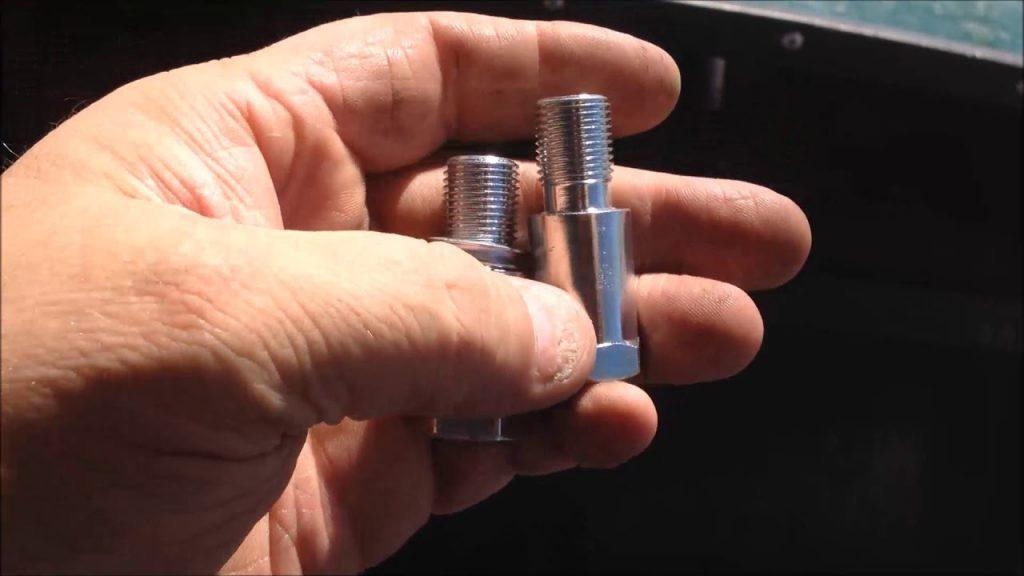
2. Screw the Spark Plug and Unscrew the Sensor
After successfully locating the sensor inside the non-fouling plug, screw it tightly onto the ridge of the original one. To make removing the assembly easier, it’s helpful to use or apply an anti-seize product on the thread. Now, carefully detach the stock sensor, place the cell stick, and use anti-seize again. Take a paper towel or any other cleaning product to clean the entire cell from dirt. Make sure not to leave a single spot when cleaning, as this could lead to other problems.
3. Reinstall and Reconnect
Take the sensor and reinstall it by applying a bit of anti-seize on the threading. It’s now time to reconnect the entire ECU system, which is your car’s battery. There you go! You’ve just installed the entire spark plug anti-fouling system yourself. If you want to make the installation foolproof, also use maintenance tips. If you have a non-fouler that’s too tight, this entire method is the solution to try.

Frequently Asked Question
What is a Spark Plug Adapter Used For?
Besides non-fouling spark plugs, the spark plug adapter is also essential for automobiles. Unlike non-fouling spark plugs, some drivers don’t know what a spark plug adapter is used for. It has 2 parts: the smaller bottom part is designed to be screwed into the spark plug receiving bore of an internal combustion engine, while the larger top part is created to receive the spark plug.
Can an Engine Run Without a Spark Plug?
The answer is no. A spark plug is designed to connect to the petrol or gasoline engine to create smooth engine performance, as well as that of the entire car. Without a functional spark plug, your vehicle’s combustion cycle cannot operate normally, which could lead to various problems.
What are the Symptoms of a Bad Spark Plug?
Understanding the importance of spark plugs, drivers should also know the symptoms of faulty or bad spark plugs. Here are the 4 most common signs:
Poor Fuel Economy
The spark plug provides valuable assistance in burning fuel efficiently in the combustion cycle, which can save fuel. However, a faulty spark plug will have the opposite effect. This is usually because the gap between the spark plug electrodes is either too large or too narrow. So, if your car has poor fuel economy, there’s a high chance your spark plug is faulty.
Difficulty Starting the Automobile
It’s quite normal to have some difficulty starting your car, but if it becomes a common issue, your spark plug may be worn out. Even though the car engine’s ignition system is a combination of many components, a spark plug is the ideal place to take a look.
Engine Misfire
The ignition system is the part responsible for starting the automobile. So, if the engine misfires, car owners know where to look. Two cases can occur: Sensor malfunction issue or spark plug problem.
This is a serious issue because it will lead to increased exhaust emissions and a decrease in engine power as well as fuel economy. It is recommended to contact mechanics immediately.
Slow Acceleration
Last but not least, slow or poor acceleration is another “victim” of ignition system problems. Even though most of the time, it’s the sensor’s fault. However, a faulty spark plug can sometimes cause this issue due to the composition of the worn material. With this problem, car owners can simply replace the spark plugs. If acceleration is still slow, there may be other factors that need to be checked by a car mechanic, such as a dirty fuel injector, oxygen sensor issues, bad fuel filters…
What Size Socket Do I Need for a Spark Plug?
There are two sizes of spark plug sockets: 13/16 inches and ⅝ inches. Remember to check the rubber insert as it helps keep the plug in place. To perform the installation, drivers may need a socket wrench, a universal joint, and finally, a spark plug socket.
Can I Drive with a Bad Spark Plug?
You can, but you shouldn’t. Drivers can still start their car, but damaged or worn spark plugs can damage the engine, which could lead to high costs later.
What Happens If You Don’t Change Your Spark Plugs?
Since spark plugs deteriorate over time, various problems will occur if car owners forget to replace them. Since the spark plug wears out, the mixture between air and fuel will be incomplete, leading to a loss of engine power.
Can a Spark Plug Kill You?
A spark plug, even though it’s small, has a lot of voltage. However, car owners can only get a shock from it if the engine is still running, so always be cautious with the engine before installing or replacing spark plugs.
In a Nutshell
You can save your money and time with this useful DIY method to install a non-fouling spark plug. But, in the worst-case scenario, don’t hesitate to call in professionals, as they can handle the situation better.
So, follow this simple method to experience a safe, healthy, and inexpensive driving experience for a lifetime.