
A Strategic Launch Meets Market Reality
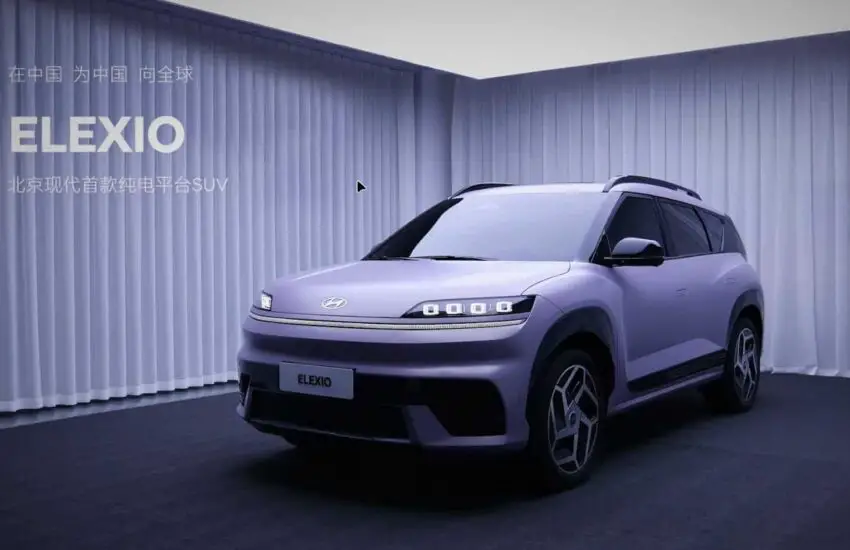
Hyundai’s introduction of the Elexio, an electric SUV designed specifically for China, was a pivotal move to reclaim relevance in the world’s largest auto market. The launch represented a significant investment and a tailored strategy aimed directly at Chinese consumers. However, despite these efforts, the model’s market entry has been challenging, with sales performance falling short of expectations in a fiercely competitive landscape.
Navigating a Hyper-Competitive EV Arena
The Chinese electric vehicle sector is dominated by agile domestic brands that excel in technology, battery innovation, and software integration tailored to local preferences. For global automakers like Hyundai, this creates a high barrier to entry. The Elexio entered a market where consumers have an abundance of choice from brands like BYD, Nio, and XPeng, which continuously set new benchmarks for features and value. Hyundai’s challenge was not only to introduce a new vehicle but to rebuild brand perception and convince consumers to choose its offering over deeply entrenched local favorites.
Key Factors Behind the Slow Start
Several interconnected factors contributed to the Elexio’s disappointing initial reception. Analysts point to intense price competition, where domestic manufacturers can often undercut rivals due to supply chain advantages and government support. Furthermore, the speed of innovation in China’s EV space is relentless, with frequent model updates and new feature deployments that can make a newly launched vehicle seem outdated quickly. Brand loyalty towards rising Chinese EV makers, coupled with sophisticated digital sales and marketing ecosystems, has made it increasingly difficult for foreign brands to gain traction without a highly differentiated value proposition.
The Road Ahead for Hyundai in China
The Elexio’s difficult launch underscores the profound shift in China’s automotive power dynamics. Success now requires more than a globally recognized brand name; it demands deep localization, strategic partnerships, and perhaps most importantly, a clear technological or experiential edge. For Hyundai, the path forward likely involves doubling down on local R&D, forming alliances with Chinese tech firms, and potentially recalibrating its pricing and marketing strategies to better resonate with the savvy, digitally-native Chinese EV buyer. The performance of the Elexio serves as a critical case study in the complexities of the modern Chinese automobile market.