
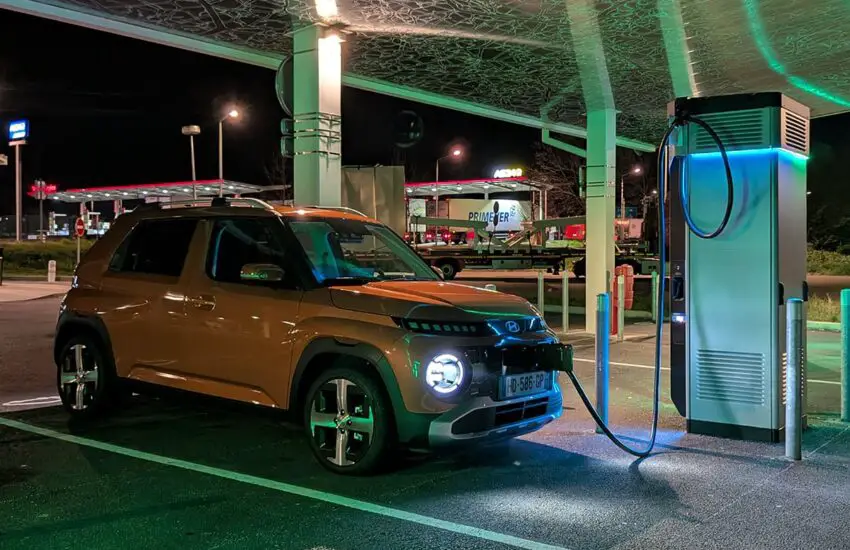
Hyundai Inster Faces Early Charging Challenges
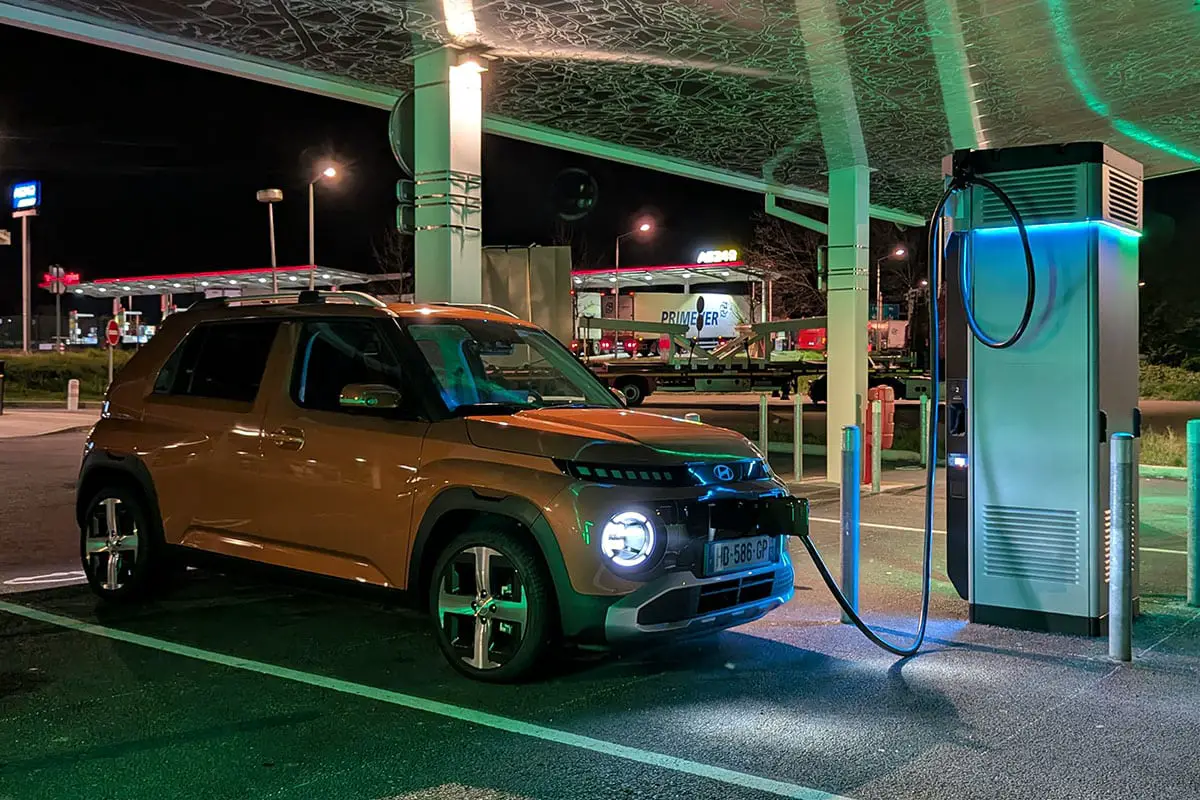
Hyundai’s highly anticipated electric city car, the Inster, appears to be encountering charging difficulties shortly after its market introduction. This development raises concerns as Hyundai and Kia electric vehicles have historically faced similar power replenishment problems across various global markets.
Recurring Charging System Complications
The charging issues affecting the Hyundai Inster manifest through inconsistent charging sessions and unexpected interruptions during power transfer. Some owners report difficulties initiating charging processes, while others experience premature charging termination without apparent causes. These problems occur across different charging infrastructures, including public stations and home charging setups.
Technical Underpinnings and Potential Causes
Industry analysts suggest the charging complications might stem from communication protocol mismatches between the vehicle’s onboard charging system and various charging stations. The sophisticated battery management system required for the Inster’s compact electric platform may require software refinements to ensure seamless compatibility with diverse charging equipment. Thermal management during rapid charging sessions also presents engineering challenges in the vehicle’s constrained physical dimensions.
Market Implications and Consumer Impact
These emerging charging concerns could potentially affect the Inster’s market reception, particularly in the competitive urban electric vehicle segment. Prospective buyers often prioritize reliable charging performance when selecting electric vehicles for daily urban mobility. The manufacturer’s response to these initial challenges will likely influence consumer confidence in this new electric model.
As electric vehicle technology continues evolving, manufacturers face ongoing challenges in ensuring charging reliability across diverse global markets and charging infrastructures. The resolution of these early technical difficulties will demonstrate the automotive industry’s capacity to address complex electrification challenges in compact vehicle segments.