
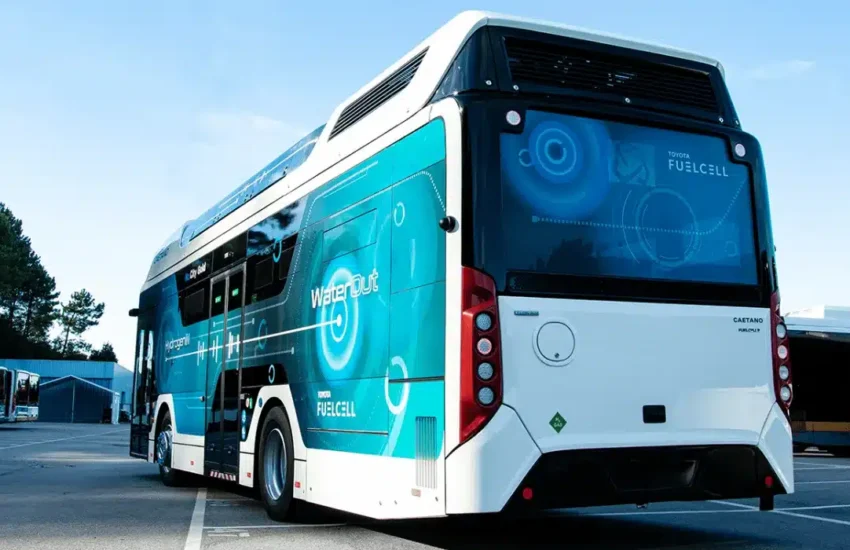
Public Transport: The Isuzu-Toyota Partnership for Hydrogen Buses
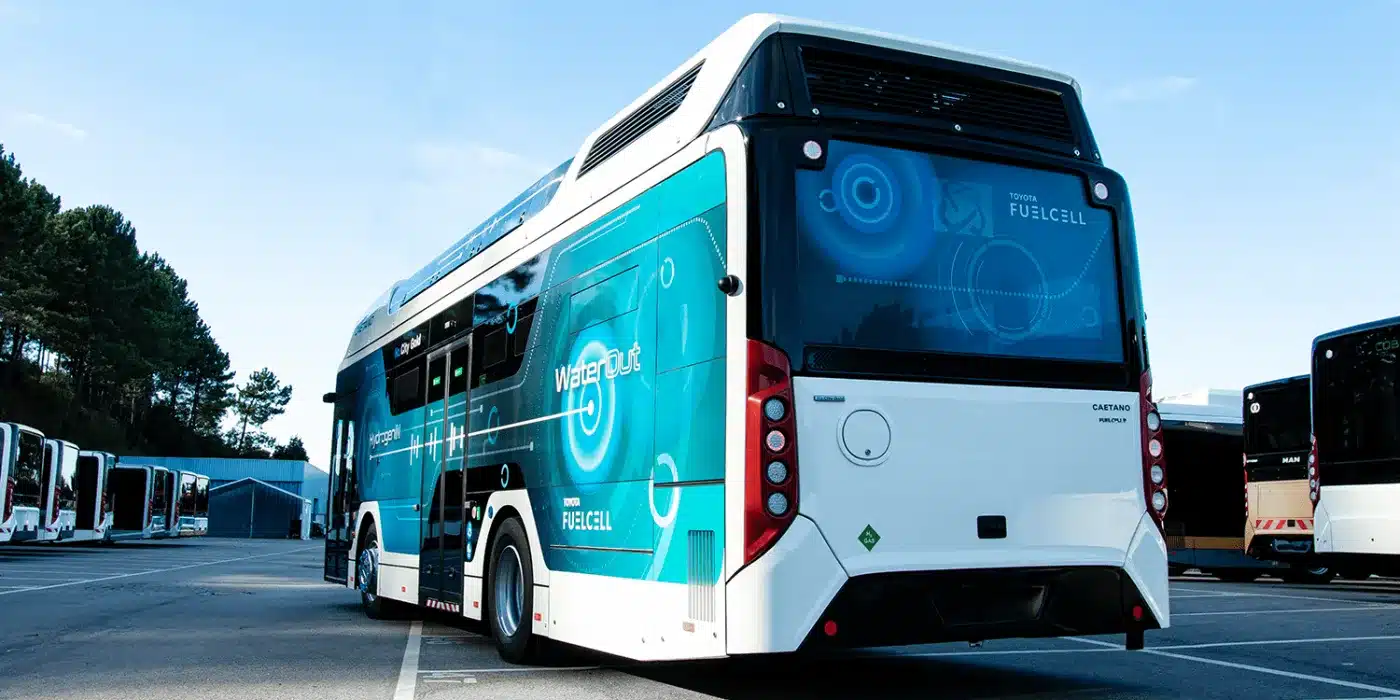 |
The two Japanese automakers have formalized their collaboration to jointly develop a new generation of buses equipped with hydrogen fuel cells. This major technological alliance in the clean transport sector is expected to lead to mass production starting in 2026. |
A Strategic Industrial Collaboration
The announcement of this partnership between Isuzu and Toyota represents a significant step in the development of heavy-duty hydrogen vehicles. The two Japanese giants are combining their technical expertise and industrial resources to accelerate the energy transition in the public transport sector. This collaboration is part of a long-term vision aimed at decarbonizing urban and suburban mobility.
Production and Deployment Timeline
The first hydrogen buses resulting from this collaboration are expected to roll off production lines during the 2026 fiscal year. The Utsunomiya plant, located in Tochigi Prefecture, Japan, has been designated as the main production site. This strategic location benefits from a developed industrial ecosystem and proven expertise in commercial vehicle manufacturing.
Fuel Cell Technology
The new generation of buses will develop hydrogen fuel cell technology, enabling extended range and reduced refueling times. Unlike battery electric vehicles, hydrogen buses offer the advantage of quick refueling, similar to traditional internal combustion vehicles, while emitting only water vapor.
Environmental and Operational Benefits
Hydrogen buses offer major advantages for urban transport networks. Their quiet operation helps reduce noise pollution in urban areas, while their zero CO2 emissions contribute to improving air quality. For transport operators, the extended range and fast refueling allow for easier integration into existing fleets.
Market Context and Outlook
This partnership takes place in a global context of accelerated development of hydrogen mobility. Many international cities are currently planning the transition of their bus fleets to zero-emission powertrains. The combined expertise of Isuzu in commercial vehicles and Toyota in hydrogen technology positions this partnership favorably in the expanding global market.
Expected Technical Innovations
The jointly developed buses are expected to incorporate the latest advancements in fuel cells, with optimized hydrogen consumption and increased lifespan of critical components. The modular architecture of the systems will potentially allow for adaptations according to the specificities of different markets and regulations.
Impact on the Hydrogen Sector
This joint project is expected to significantly contribute to the development of the entire hydrogen ecosystem. The large-scale production of fuel cell buses could stimulate investments in green hydrogen production and distribution infrastructure, creating a beneficial ripple effect for the entire sector.