
A New Era of Manufacturing Begins
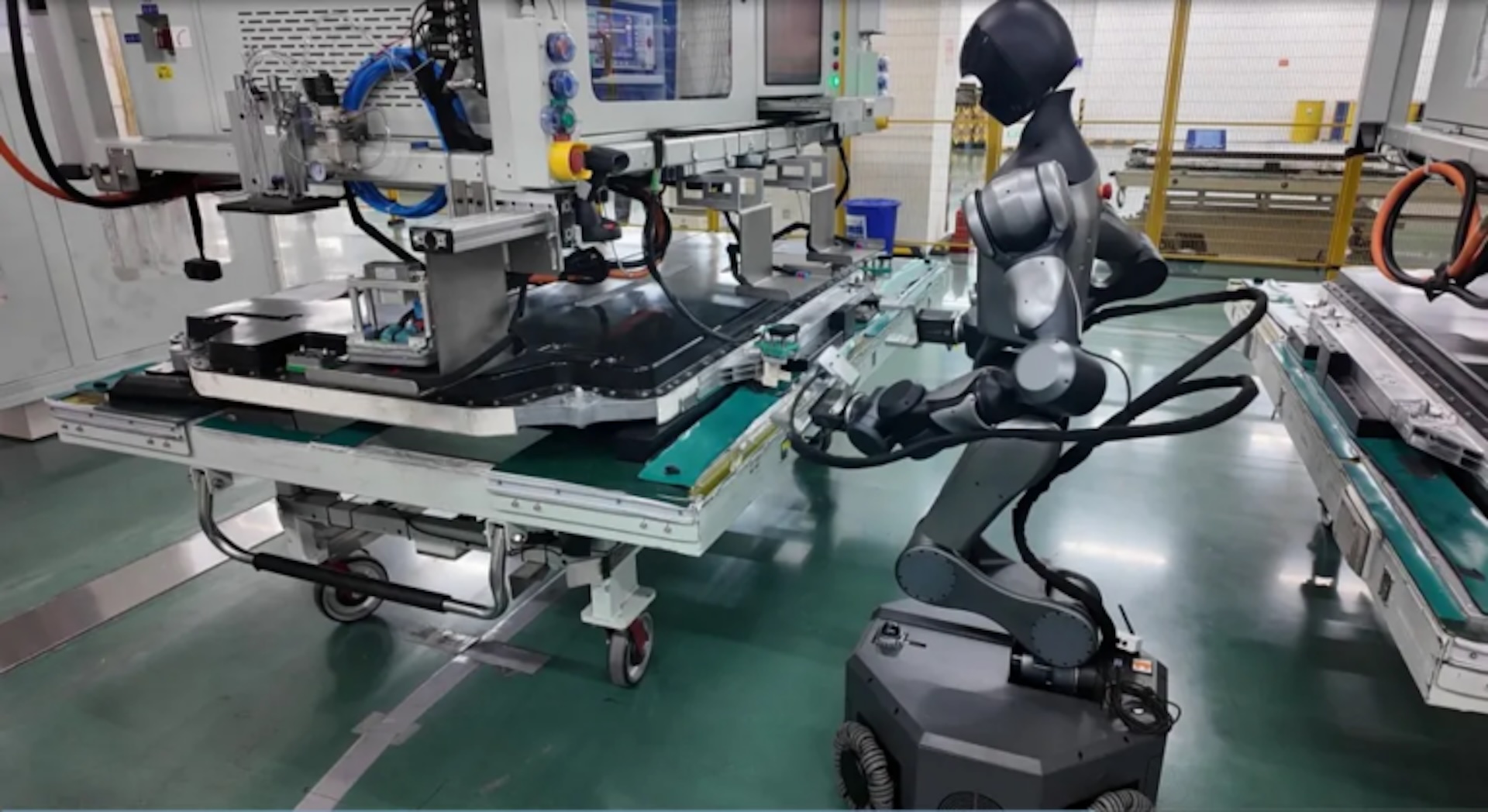
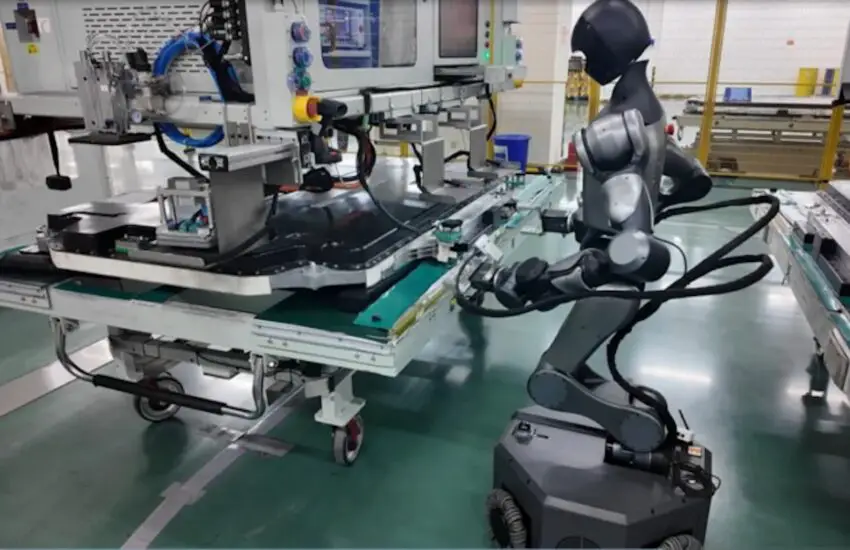
A historic milestone has been reached in automotive and robotics. Chinese battery giant CATL has officially deployed the first fleet of humanoid robots on its battery production lines. This move signals a pivotal shift from concept to reality, positioning CATL at the forefront of next-generation manufacturing while competitors like Tesla are still in the development phase.
From Prototype to Production Line
The integration of humanoid robots into such a precise and complex process as battery assembly was once a futuristic vision. CATL’s robots are now performing tasks that require a blend of dexterity and consistency, such as handling delicate battery cells, performing quality inspections, and managing final assembly stages. Their human-like form factor allows them to operate in environments originally designed for human workers, minimizing the need for costly factory redesigns.
The Strategic Advantage in the EV Race
This technological leap provides CATL with a potential dual advantage. First, it addresses persistent challenges in manufacturing labor. Second, it promises enhanced precision and uptime, which could lead to greater production efficiency and scale. For the electric vehicle industry, which is critically dependent on battery supply, this innovation could accelerate production cycles and reduce costs.
The Competitive Landscape Shifts
While Tesla has prominently showcased its Optimus robot prototype, CATL’s operational deployment marks a significant lead in practical application. This development places pressure on other automakers and battery producers to accelerate their own automation roadmaps. The race is no longer just about battery chemistry and energy density, but also about the advanced manufacturing capabilities required to produce them at scale.
The successful deployment by CATL validates the role of humanoid robots in high-tech manufacturing. It sets a new benchmark, suggesting that the factories of the very near future will be populated by a collaborative workforce of humans and humanoids, fundamentally transforming industrial production.