
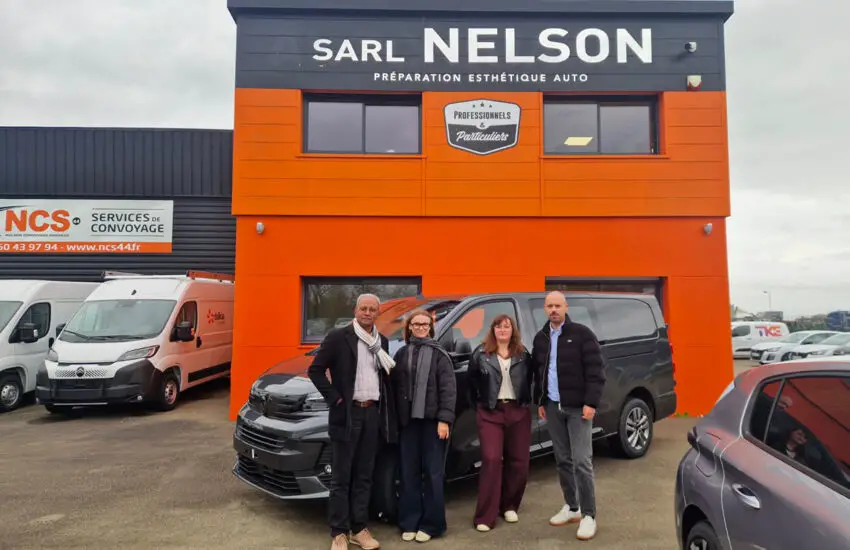
The Electric Shift in Automotive Logistics
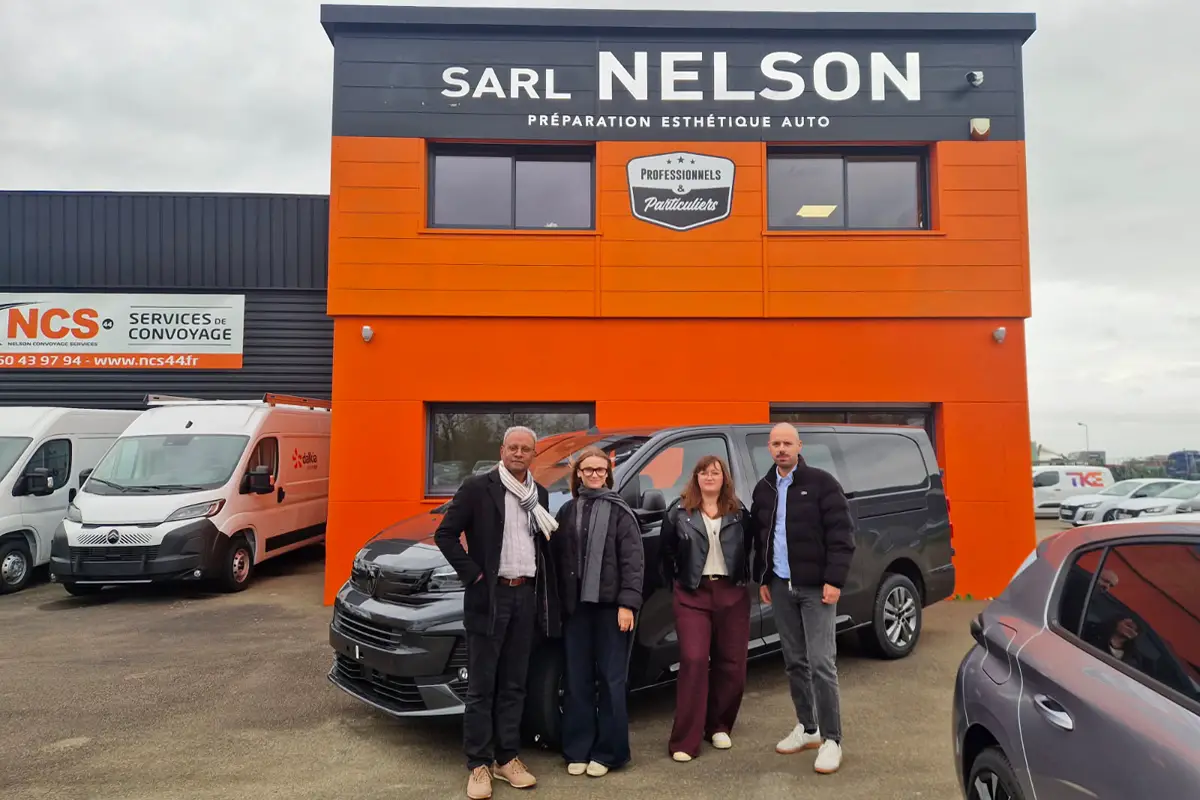
For over fifteen years, specialized teams in the Nantes region have provided essential services to automotive professionals. Their core business has traditionally been the delivery and preparation of new vehicles from manufacturers to dealerships. However, the rapid rise of electric vehicles is fundamentally transforming their daily operations and required skill sets.
New Protocols for a New Powertrain
The arrival of electric vehicles necessitates a complete overhaul of standard procedures. Logistics specialists must now master specific knowledge about high-voltage batteries and electrical systems. A critical new step involves checking the state of charge (SOC) upon vehicle receipt and ensuring it is sufficient for delivery, something irrelevant with internal combustion engines. Furthermore, handling during transport and preparation requires heightened awareness to avoid damaging sensitive and costly underbody components or battery packs.
Training and Safety as Top Priorities
Adapting to this technological shift is not optional; it is imperative for business continuity. Teams are undergoing dedicated training to obtain certifications for working on and around electric vehicles. This training emphasizes safety above all, teaching technicians how to properly isolate the electrical system before any work begins. The preparation process now includes verifying specific EV features, such as charging cable presence, software updates, and educating dealership staff on basic handover procedures for the end customer.
A Transforming Industry Landscape
This evolution represents more than just a technical adjustment; it signifies a cultural shift within the automotive logistics sector. The expertise is moving from mechanical familiarity to electro-digital proficiency. Logistics companies that successfully integrate these new competencies are positioning themselves as vital partners in the automotive value chain’s transition. Their ability to safely and efficiently manage EVs from factory to forecourt is becoming a key competitive advantage, ensuring they remain indispensable in the new electric era.