
Most cars require three sets of fluids to operate – air/fuel mixture, engine oil, and coolant.
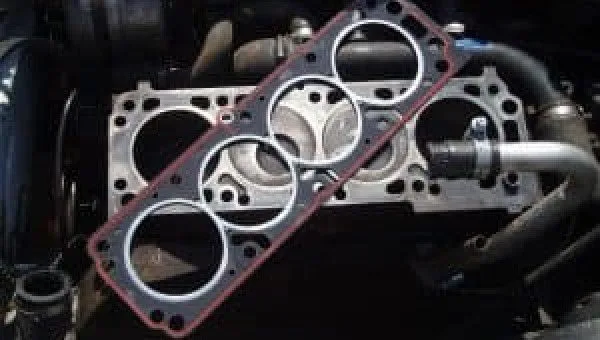
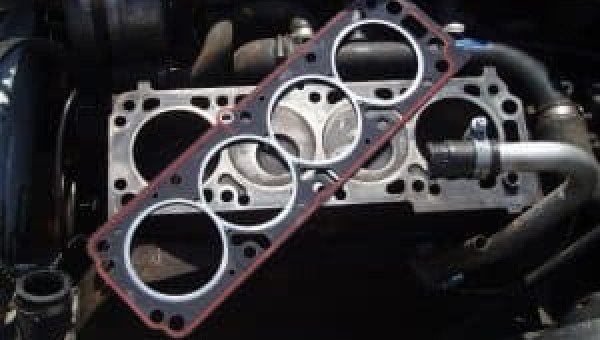
None of these fluids should be exposed to each other. The head gasket is a device that ensures this does not happen. The head gasket is placed between the cylinder head and the engine block.
The thickness and size will depend on the type of car and the manufacturer. The head gasket seals the combustion chamber and prevents exhaust gases from returning. It also prevents engine oil and coolant from entering the combustion chamber.
A blown head gasket can lead to other engine problems. Various head gasket tests are performed to reveal the cause of the blown head gasket.
What Causes a Head Gasket to Blow?
The gasket is well hidden between the engine block and the cylinder, making it difficult to diagnose a blown gasket. The gasket prevents the interaction of combustion gases and coolant – which can sometimes operate at different temperatures. The gasket, after many uses, can develop leaks and, if not repaired, can blow. Oil enters the engine through the drain valve.
When the head gasket blows, the car starts to consume a lot of oil. You may also want to check your pistons before concluding that the gasket is the cause. Whitish smoke emitted by the car is the first sign of a blown head gasket.
There is also a reduction in a car’s ability to idle. A blown head gasket must be repaired immediately because oil is needed for engine lubrication. If there is no lubrication, the bearing will wear out and there will be a loss of viscosity.
The high costs of driving with a blown head gasket are so severe that it is not recommended to attempt it. You will notice the problem is serious if you are constantly forced to refill your radiator after driving a few kilometers.
How to Identify a Blown Gasket
There are a few methods to check if your head gasket is blown. Here are some of the most common signs.
White Smoke from the Exhaust
Since the gasket prevents coolant from meeting combustion gases at any time, if it leaks, the coolant evaporates through the exhaust pipe. This is shown as white smoke that has a sweet smell. The white smoke is always present even when the engine heats up. Depending on the leak, the white smoke can be large or small. Other head gasket tests are needed to verify that the gasket has blown.
Bubbles in the Radiator
Another sign of a leaking head gasket is when you notice bubbles in the radiator. The gasket prevents interference of the coolant by exhaust gases. When this happens, you will notice bubbles in the radiator even when it is cold. If you have a chemical tester, you can check the chemical composition of these gases.
Milky Oil
A faulty head gasket will cause coolant to flow into the combustion chamber, through the piston rings, and into the engine oil. Since oil and water do not mix, a milky substance forms. You can check for this leak by examining the end of the dipstick. Contaminated oil means your engine is not running efficiently. This could lead to further destruction of the cylinder walls and camshaft bearings. It could also precipitate corrosion of the engine’s metal parts.
Engine Overheating
If you are traveling long distances and have a blown head gasket, you will notice the engine overheating. The cause of overheating is the lack of coolant to cool the engine and the coolant sipping into the combustion chamber, thus hindering the complete combustion of gases. If the problem persists without immediate attention, the engine’s metal parts will begin to expand and form cracks. Permanent engine damage follows, and you will be forced to buy another engine.
Fouled Spark Plugs
Although this is not a conclusive test of the head gasket, when coolant enters the combustion chamber, it will leave white deposits on the spark plugs. However, there are other causes for this, and you must confirm with other tests.
How to Test for a Blown Head Gasket
One of the main head gasket tests you can perform is for traces of carbon dioxide in the radiator. Since the head gasket prevents the mixing of combustion gases and coolant, you will notice some of the combustion gases in the coolant.
A tester that changes color whenever it is exposed to carbon dioxide is used. When performing the test, first heat the engine, then lower the coolant in the radiator so you have enough space for the test. Test the fumes passing through the coolant. For most testers, you need to wait for a yellow color.
Other head gasket tests are needed to confirm the results.
You can also try driving a few kilometers without losing the coolant cap. If you notice that the engine has consumed a lot of coolant for an 80 km trip, the gasket may be leaking. In this head gasket test, drive the car at a speed of 50 mph.
How to Avoid Further Blown Head Gasket Problems
Once you have replaced your head gasket, you need to find solutions to the problem so it does not happen again. Make sure the coolant is always filled whenever its pH drops below 7.0. If you are driving and notice the engine overheating, pull over to the side of the road and turn off the engine.
It is also wise to purchase your head gasket from reputable manufacturers. Most gaskets on the market are of poor quality, leading to prematurely blown head gaskets.
Conclusion
A blown head gasket, if not fixed, can lead to other engine problems. The first signs of a blown head gasket are white smoke coming from the exhaust pipe. You can perform a carbon dioxide test in the radiator – traces of gas are a sign of a blown head gasket. Driving with a blown head gasket is not recommended. If you encounter the problem, immediately turn off the engine and perform the head gasket tests mentioned above.