
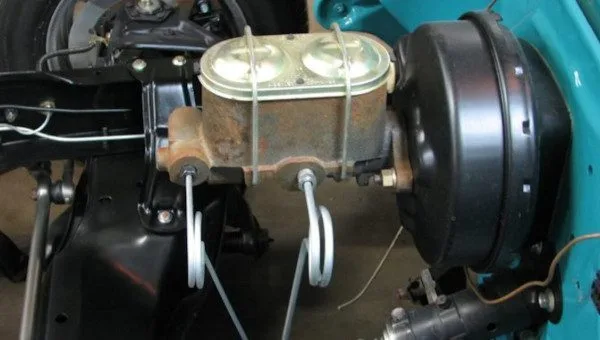
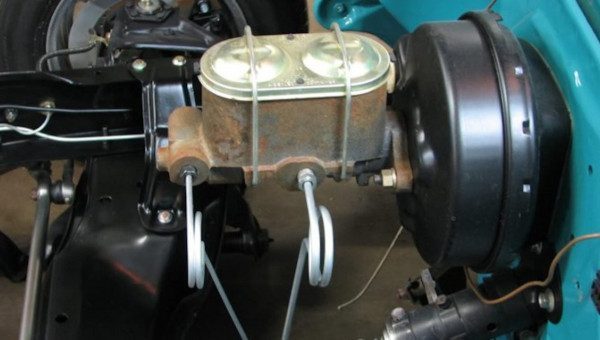
If your brakes start feeling spongy, the root cause may be the brake booster. Test your brake booster to see if it needs replacement.
Under normal operation, most car owners never consider the inner workings of the braking system. However, when you press that brake pedal and notice the car isn’t slowing down, it tends to grab your attention quite quickly. We all understand that the braking system is essential for the safe operation of any vehicle, but what isn’t commonly known is that one of the main culprits of brake system failure in older cars, trucks, and SUVs is the brake booster.
The brake booster is used to supply brake fluid to all the brake lines, allowing the system to function effectively. If the brake booster fails, it can result in a soft brake pedal or even complete brake system failure. In the following paragraphs, we will explain how this crucial component works within the braking system and provide some tips to help you diagnose and determine if the brake booster is the source of your problem.
How does the brake booster work?
To understand how the brake booster fits into the modern braking system, it’s essential to explain how brakes operate. To stop your vehicle safely, three scientific principles must be met: leverage, hydraulic pressure, and friction. Each of these actions must work together in tandem to stop the vehicle. The brake booster helps provide the correct hydraulic pressure so that the brake calipers apply pressure to the brake rotor and create friction established by the application of the brake pads to the rotor.
The power brake booster also helps provide the force needed for the right amount of pressure to create effective force application. It works by drawing energy from a vacuum created by the engine during operation. This is why power brakes only work when the engine is started. The vacuum powers an internal bladder, which supplies force to the hydraulic brake lines. If the vacuum leaks, is damaged, or if the internal components of the brake booster are damaged, it will not function properly.
3 Methods to Test Brake Booster Failure
Method 1: Testing a brake booster is a fairly simple process. If you suspect the brake booster is causing your brake system failure, proceed as follows:
With the engine off, pump the brake pedal several times. This will ensure there is no vacuum left inside the brake booster.
Press the brake pedal one last time and keep your foot on the brake pedal as you start the engine. Do not release your foot from the brake pedal during this process.
If the brake booster is working correctly, you will feel a slight dip in the pedal when the engine turns over. This is because the vacuum in the engine provides pressure to the brake booster.
Method 2: If you perform this step and the brake pedal does not move, it indicates that the brake booster is not receiving vacuum pressure. This is when you should try a secondary power brake booster test.
Let the engine run for a few minutes.
Turn off the engine, then press the brake pedal several times slowly. When you pump it the first time, the pedal should be very “low,” meaning little resistance to pressure. As you pump the pedal, the pressure should become firmer, which will indicate that the brake booster is not leaking.
Method 3: If each of these tests is successful, you can check two other components:
Inspect the booster check valve: The check valve is located on the power brake booster itself. To locate it, consult your vehicle’s repair manual. You’ll want to disconnect the vacuum hose where it connects to the engine’s intake manifold. Make sure to disconnect it at the manifold, not at the brake booster. If it’s working correctly, air should not flow when pressure is applied. If air flows in both directions or you cannot blow through it, the valve is damaged, and the brake booster will need to be replaced.
Check the vacuum: For a power brake booster to function, a minimum pressure is required. You can test the vacuum and ensure there are at least 18 inches of vacuum pressure and no vacuum leaks.
If you don’t feel comfortable performing these tests, it may be wise to have a professional mechanic come to your home to perform an on-site inspection of the braking system. It is not recommended to drive a vehicle to a repair shop if you are experiencing brake system issues, so a mobile mechanic visit is a smart and safe idea.