

For some reason, you need to store your car for an extended period, perhaps a year or more. There are things you need to keep in mind when storing vehicles. Storing your car is not just about parking or covering it; this process involves many steps. Let’s roll up our sleeves and begin the long-term storage of your car.
Long-Term Car Storage: How to Do It Correctly?
Did you know that if a car remains unused for a long time, it will break down more easily and cost more to repair than if it is driven regularly? Therefore, drivers must pay special attention to it.
Car storage can be used in different ways: some people store their car for the winter months, or some people have a car collection and need to store their vehicles…. If you plan to store your vehicle long-term, the tips and checklist below can help:
1. Clean and Wash Your Car Before Storing It
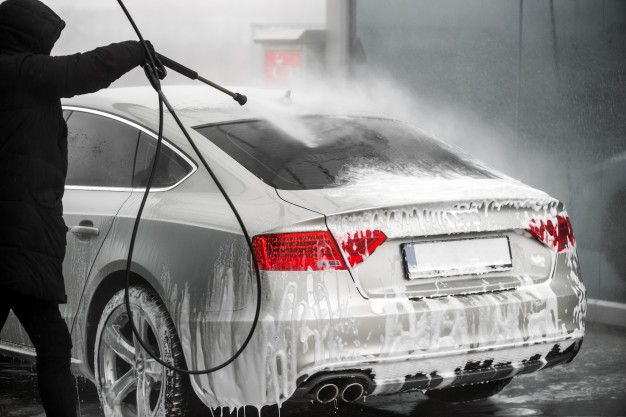
The owner must first clean the interior before putting it in the garage. Remove all mud and dirt from the vehicle’s body and wheels. After washing, dry and start the engine so that steam does not accumulate in the parts to prevent metal parts from rusting.
Next, clean out trash, food, and dust inside the passenger compartment, because if your vehicle remains unused for a long time, it will easily cause mold and unpleasant odors. Car owners should also use a specialized insecticide solution to spray certain details in the engine compartment to prevent mice and cockroaches from entering and nesting.
At the same time, remove flammable objects such as lighters from the car to avoid unwanted incidents. Electronic accessories such as dash cams, phone chargers, and USB keys… should also be disconnected to ensure safety.
Additionally, you can apply protective wax. Wax acts as a protective layer for the car paint, preventing discoloration due to the effects of sun, dirt, grease, and rust.
2. Find the Parking Spot
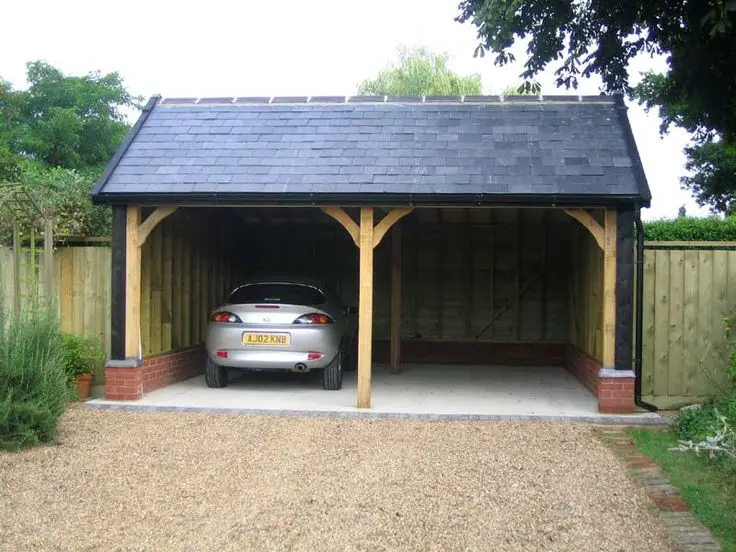
After cleaning and letting your car dry, the owner chooses a clean, ventilated, and covered place to park the vehicles to limit the impact of environmental conditions such as rain, sun,…
If your vehicle must be parked outdoors, you should use a cover to cover it. Covers can both limit the car’s direct exposure to the sun and prevent mud from sticking to the outside, thus causing rust. Do not park your vehicle on grass or dirt, as the increasing moisture can cause some car parts to rust.
3. Check the Car Battery
When your car is not used for a long time, the battery is the part most likely to be damaged and problematic. Not starting for a long time leads to a loss of energy inside the car battery.
To avoid this unwanted loss, car owners must ensure to turn off unnecessary electrical equipment in the car such as the radio, phone charger, etc. When cleaning the car, you should remove the negative terminal of the battery and start the engine for at least 15 minutes to recharge the car battery about once a week. However, avoid starting the engine in an enclosed space, as CO2 emissions would harm your health.
4. Inspect the Car Tires
Another item that requires special attention when a car remains unused for a while is the tires. Affected tire pressure puts stress on the rubber surface and the ground, easily causing deformation. To avoid this problem, drivers should regularly check their tire pressure and inflate them to a pressure slightly higher than the standard pressure. At the same time, about twice a week, you should move forward or backward at least 10 meters to allow the tires to move and avoid deformations and cracks to maintain the standard elasticity of the rubber.
5. Change the Engine Oil
In theory, if your vehicle is not driven, it does not consume oil, but oil additives are gradually consumed over time, causing the oil quality to no longer be as good as the original. Therefore, it still needs to be replaced. The oil should be changed sooner rather than waiting for the mileage interval.
Old oil left in the engine over time can lead to damage, including sludge buildup. So before deciding not to use your car for a long time, schedule a maintenance appointment, add coolant, check the brake fluid, and change the oil and the new oil filter.
6. Fill the Gas Tank
Make sure to completely fill the fuel tank before not using it for a long time, as this helps prevent the fuel tank from oxidizing. Oxidation is a chemical reaction between fuel and oxygen that leads to the formation of a precipitate in the fuel tank and can damage the vehicle if not properly cleaned before restarting.
Tighten the fuel cap to prevent long-term humid air from entering, causing condensation, leading to gas suffocation and making the car unable to start when left for an extended period. However, if the car remains unused for more than 30 days without being driven, the gasoline will degrade, and if your car does not run for several months, the gasoline should be drained a bit.
7. Protect the Rubber Details
If you don’t have a garage and have to leave your car outside, you need to pay attention to the rubber parts as they are prone to cracking and melting, especially in summer and in direct sunlight.
Additionally, you should remove the wipers from your car and store them, or cover them with plastic wrap or a thin cloth. This will help prevent the wipers from deteriorating and sticking to the windshield after several days of non-use.
8. Do Not Use the Handbrake (Unless Parked on a Slope)
Usually, when parking a car, people use the handbrake to stabilize the car and prevent it from drifting. However, if left like this for a long time, the force exerted by the brake pad on the brake disc continues continuously, causing a concave in that position, making the disc surface rough and the brake operation unstable.
If you decide to leave the car for a long time, you should use an object such as a wooden plank or a stone to block the wheels.
You now know how to store a car long-term thanks to the 8 tips above. These tips can somehow keep your car in good condition during storage and limit deterioration.
FAQ
How Often Should a Stored Car Be Started?
If possible, dedicate at least 10 to 15 minutes each week to starting the vehicle and idling it so that oil and other fluids can circulate in the engine. Additionally, without a battery charger, the engine needs to run longer to have more time to fully charge the battery. This will help preserve the battery’s lifespan and ensure that your vehicle can start effectively each time.
Periodically starting the car is crucial for long-term storage to maintain its health and avoid potential problems when restarting it after a long period.
How Long Should You Keep a Stored Car?
There is no exact answer as to how long you can store a car, as it depends on several factors:
- Car condition
- Storage environment
- Starting frequency
…
Ideally, automotive experts recommend not leaving your car unused for more than two weeks to avoid unwanted repairs. But it is still possible if you wish to store your car for several months or even years depending on your car’s condition.
What Will Happen If Your Car Is Not Driven for a Long Time?
The car is not used for long periods, which, unintentionally, greatly affects the operating mechanism and details of the vehicle, especially the engine. Additionally, discolored car paint, deformed tires, moldy cars, and dead batteries… are issues that can occur if the car is not driven for a long time. Therefore, even if you do not use the car, you should regularly check, start the car, and perform regular maintenance to keep the car in a stable condition.