
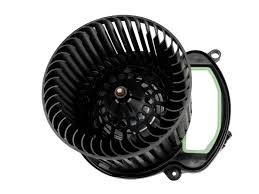
A blower motor that no longer works is a common and frustrating failure. This essential component of the heating and air conditioning system can fail in several ways, ranging from partial operation to concerning noises. For example, a failure of the blower motor resistor can result in operation only at the maximum speed. In other cases, such as on this Volkswagen Jetta SportWagen, the motor itself may emit squeaking or loud humming noises, indicating wear or a mechanical problem. This article guides you through the diagnostic and repair steps to identify the source of the problem, whether it’s the motor, the resistor, or another element of the circuit.
Common Symptoms of a Failing Blower Motor
Several warning signs indicate a problem with the blower motor. The most obvious symptom is a total absence of airflow from the vents at all speeds. Another frequent malfunction is the fan being stuck at a single speed, often the highest, which usually points to a failure of the resistor module. Finally, the appearance of abnormal noises (squeaking, clicking, humming) when the ventilation is started is a clear indicator of a worn-out motor or one with defective bearings.
How to Test the Motor and Its Resistor
Before replacing expensive parts, it is crucial to perform a few simple diagnostic tests. To test the motor itself, a direct check by connecting it to an external power source (such as the car battery) allows you to verify if it spins. If it works, the fault lies elsewhere. Testing the blower resistor is done using a multimeter to measure continuity and resistance between its pins. An infinite resistance value (open circuit) on a track indicates that the component is burned out and must be replaced.
Replacement Steps
Once the faulty component is identified, replacement can usually be performed with basic tools. The blower motor is often accessible under the dashboard on the passenger side. After disconnecting the battery and the electrical connector, simply unscrew a few fasteners to remove it. The resistor, on the other hand, is often located in the fan housing and is even simpler to change. Always be sure to consult the specific repair manual for your vehicle model for precise instructions.