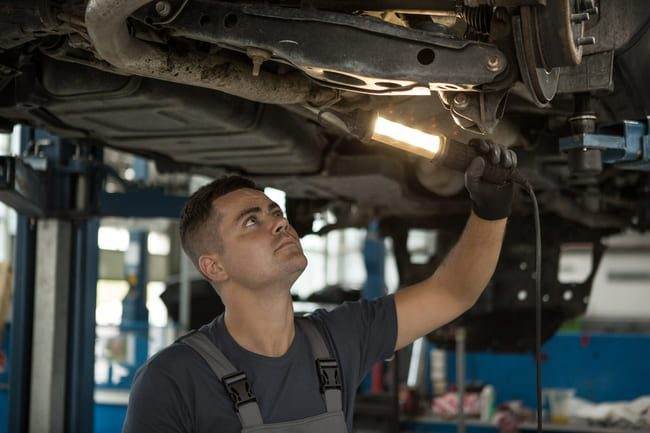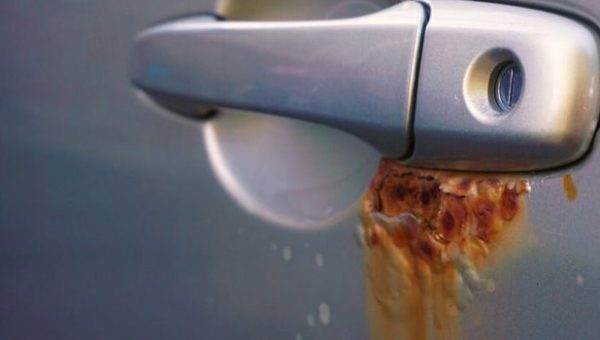

Although modern cars are much more effectively protected against rust through the use of resistant materials and protective coatings, no car is completely safe from this deadly killer. What starts as a small brown spot can spread quickly and become a much more serious problem. The longer you wait, the more it will eat away at your vehicle’s body and chassis, leading to costly repairs or an irreparable mess. For this reason, rust prevention is an essential element of car maintenance that every car owner must pay attention to.
WHAT CAUSES RUSTING?
Rust occurs when iron or an iron-containing material is exposed to moisture, causing oxidation. This reaction produces iron oxide (rust). The rate at which automotive parts rust often depends on a series of factors, including the vehicle’s age, climate, alloy elements, and heat treatment processes.
If the car is driven and stored in a cold, wet, or humid environment, the risk of rust increases due to exposure to rain, snow, sleet, and ice. Road salts used to melt snow contaminants also accelerate the rusting process when they dissolve in water.
Paint acts as a protective layer on the body; however, over time, it chips and the protective coating breaks down, leaving the body exposed to moisture and contaminants. Older cars are generally more susceptible to rust because they are made from less resistant materials and do not have as much corrosion protection.
WARNING SIGNS
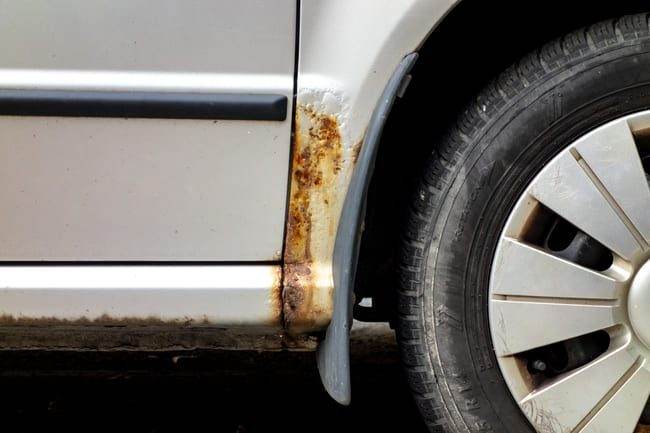
THE 3 TYPES OF RUST
There are three types or stages of rust that vary in terms of severity and aggressiveness. Identifying which stage the corrosion is at should help you find the right solution to remove or repair it.
HOW TO REMOVE SURFACE RUST FROM A CAR
The Essentials
The Procedure
Important: Make sure to do this in a well-ventilated area when the car is parked on a flat surface such as a driveway or garage. Paint fumes can be toxic.
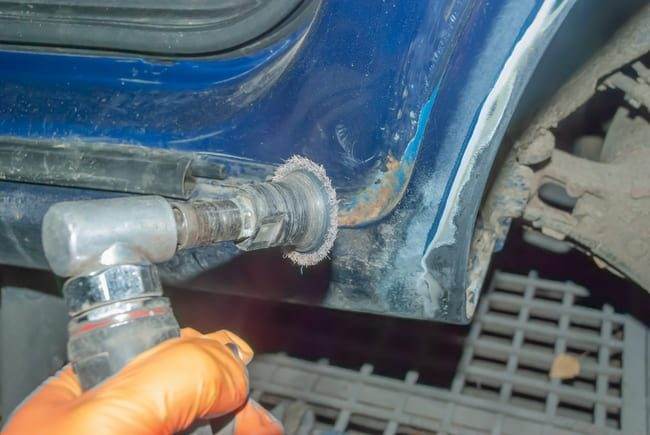
- Remove Rust, Paint, and Primer
This can be done by hand starting with coarse 80-grit sandpaper and a wire brush, or by using an angle grinder and a disc. Using a machine will be more effective at removing stubborn layers and saving time. Sand carefully and thoroughly for a smooth finish. To remove rust from hard-to-reach areas or crevices, you can use a wire brush to remove rust and grime. Alternatively, you can choose to use a rust remover that can be applied with a brush or cloth. However, the product instructions must be followed carefully so that no damage is caused to the vehicle or the person repairing it. Clean the area to remove dirt and metal chips, then make sure it is completely dry before moving on to the next step. - Section Off the Area
Use masking tape and paper to section off the area that needs to be primed and painted so that the rest of the surface is protected. - Apply the Primer
You will first need to use a self-etching primer or one suitable for direct contact with metal. Spray the primer evenly and in thin layers, then let it dry. After the first coat, use a wet sanding method to ensure the surface is smooth and the edges are unified. It is best to use fine-grit sandpaper (400) for this step. Clean the area and let it dry before applying the second coat. Once this coat is dry, use a wet piece of 600-grit sandpaper to smooth it again before applying another coat of primer. You can choose to cover this with a surfacing primer for added protection. - Spray on the Base Coat
Usually, car surfaces only need two to three coats of base paint for good, even coverage. Make sure to keep the coats thin to avoid drips. Once dry, you can also use a rubbing or polishing compound to give it a shinier finish. This can also help you blend the new paint with the original paint. - Apply a Clear Coat
For the final step, you can apply an additional clear coat of paint that can help the paint last longer by providing extra protection against UV rays and harsh weather.
Removing scale rust involves additional steps because it often leaves tiny holes in the metal. These need to be filled before being repainted.
HOW TO STOP A CAR FROM RUSTING
Best Tips:
- iCheck the car’s underbody and keep it clean. Rust under the vehicle often goes unnoticed because it is not immediately visible. They are particularly vulnerable to road contaminants, such as gravel.

- iUndercoating and rustproofing will help prevent corrosion and the formation of iron oxide. When done well and using professional products, it can last up to ten years.
- iKeep it clean. Some people think that washing their car regularly will make it more prone to corrosion, but this is a myth. Removing contaminants and impurities is essential to prevent rust, especially during the winter months.
- iUse a good car cover designed to protect the body during different seasons.