
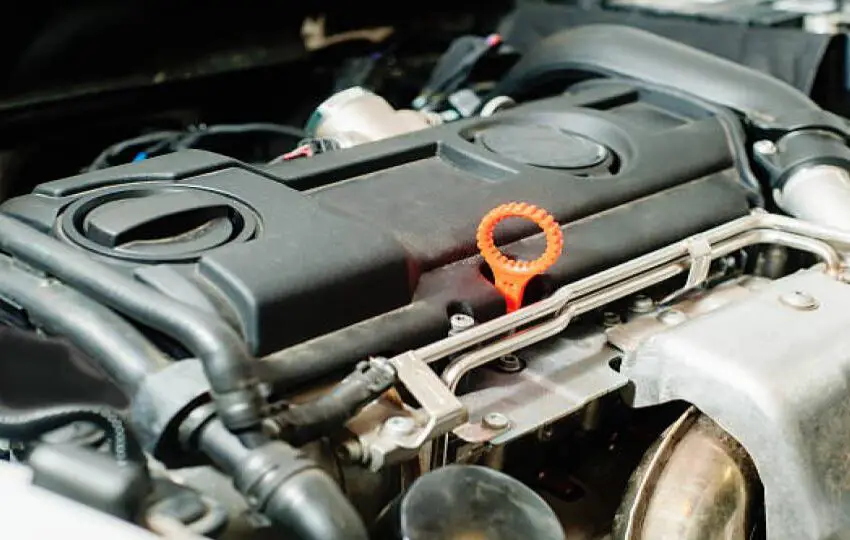
The engine’s oil dipstick tube is constantly exposed to extreme temperatures and corrosion. It can therefore break when you remove the dipstick. If you notice obvious signs of damage to the tube during this operation, do not risk breaking it and leaving debris in the engine oil. It is then crucial to know how to proceed with its safe removal.
Why does an oil dipstick tube get stuck?
Several factors explain why an oil dipstick tube can become blocked. The main cause is the buildup of dirt, carbonized residue, and rust at the base of the tube, where it inserts into the engine block. Over the engine’s heating and cooling cycles, these deposits harden and act like a powerful glue. Corrosion, accelerated by constant exposure to heat and the elements, also causes the metal to swell and seize.
The method for freeing a stuck dipstick tube
First and foremost, ensure the engine is cold to avoid any risk of burns. Equip yourself with protective gloves and safety glasses. The first step is to spray a generous amount of penetrating oil (a releasing agent) around the base of the tube, at its insertion point. Let it work for at least 30 minutes, or even several hours for maximum effectiveness. This product will lubricate and partially dissolve the deposits.
Using the right tools
Avoid pulling on it with an adjustable wrench at all costs, as you risk twisting or shearing it off. Instead, use a pipe wrench or a locking plier that can grip the base of the tube firmly without crushing it. Once the tool is in place, apply moderate and constant pressure while combining a left-right rocking motion with an upward pull. Patience is key: if the tube doesn’t budge, reapply the releasing agent and try again.
What to do if the tube is broken?
In the worst-case scenario where the tube breaks, you must absolutely not let pieces of metal fall into the oil pan. If the break is high up, you might be able to grip the remaining part of the tube with extra-strong pliers. If it’s low, you will often need to disassemble other components to access the base and use a tube extractor or a drill to remove it carefully. In any case, if the situation seems too complex, entrust the job to a professional mechanic.