
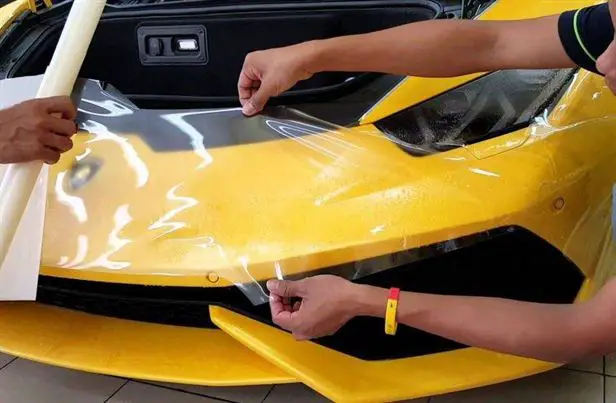
If you don’t know how to protect car paint, we will show you 5 useful ways to follow. You just need to pay attention and follow these tips to keep the shine intact.
So many little things can happen in a day that can damage your car’s paint.
You may not even know that those tiny splattered bugs or cheeky writings with fingers on a vehicle’s body can ruin the painted surface. Fortunately, the ways to protect car paint are not rocket science.
How to Protect Car Paint in 5 Simple Ways
The cosmetic appearance is the biggest draw of an automobile. You can drive a latest Lexus model or an Alpha Romeo from the ’80s, but people will only admire it when its paint shines like a mirror. Let’s check a few ways to keep it new forever.
1. Don’t Write on the Car with Your Finger
Perhaps you think that not writing on the car with your finger is a new car paint protection method. This method seems weird but it is very effective for protecting your car’s paint.
Many of us already agree that it’s fun to have the chance to put a hand on a dirty car. In fact, it’s a big thing you shouldn’t do, because dragging fingers over dirt can leave deep scratch marks on the body.
Your finger will act like sandpaper grinding the dirt remnants and push them through the paint.
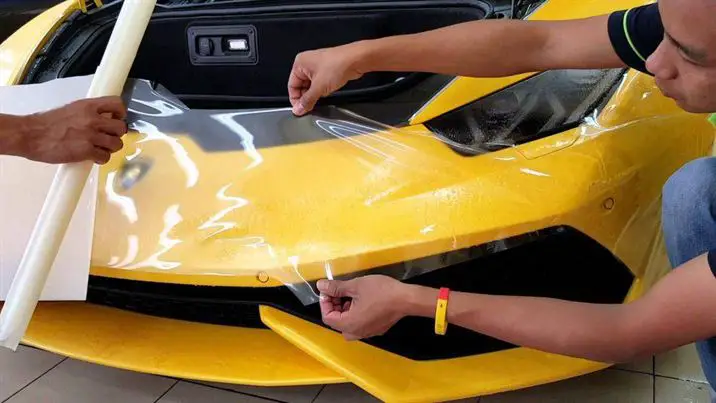
2. Wash Regularly
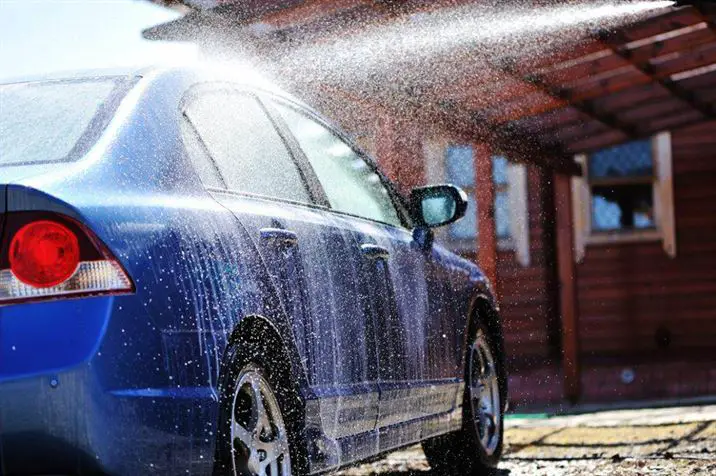
Washing your car regularly is the best way to protect car paint and of course it’s not a new car paint protection because most of us already know it. But there is one thing you should notice.
According to automotive experts, when washing cars, you must stay away from dish detergent!
Dish detergent will really harm the paint. In this case, you need to use a high-quality car wash chemical and apply it with a foam pad applicator.
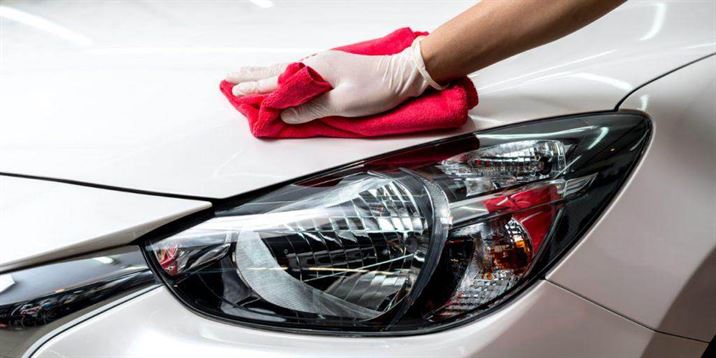
Then, scrub the body with a fine quality car wash mitt, and then rinse thoroughly with clean water. A microfiber towel would be the best option for wiping the body.
Furthermore, you can spray a detailing lubricant and run another mitt in a circular motion to apply it all over the car. Finally, wipe with another towel.
If regular washing is not possible, at least wipe the car daily with a duster to prevent unexpected sanding.
3. Apply Paint Sealant
You should only use it once or twice a year. It will protect the car paint by creating a protective layer on it. Mix a bonding agent with the sealant, and the measure is normally 1 tablespoon of the agent in a ½ cup of sealant.
Increase or decrease the amount depending on your vehicle’s size, but it’s important to keep this 4:1 ratio. Apply the mixture in a circular motion on one section at a time. When it changes texture, rub with a towel in the same circular motion.
4. Wax to Keep the Shine
You must use wax the day after applying the paint sealant. Furthermore, you can use it every month or week, especially if you use the spray or liquid versions. Paste wax lasts longer and doesn’t need frequent applications.
There are many toxic and corrosive ingredients such as bird droppings, road grime, tree sap, etc. that stick to the paint and cut into it. Wax will prevent these things from causing damage.
5. Synthetic Coating
Using synthetic coating is a new car paint protection way you need to know. If you don’t know how to protect car paint this way, here is a guide for you.
Simply apply a ceramic or polymer coating once and it will protect the car paint for over 6 months!
Although it cannot produce the mirror-like shine of a high-quality wax coating, it proves more effective at preventing things from sticking to the paint.
FAQ
- What are the common environmental threats to car paint?
Common environmental threats to car paint include UV sunlight, bird droppings, tree sap, road salt, acid rain, and air pollution. These elements can cause fading, staining, and corrosion.
- How can I protect my car’s paint from UV damage?
To protect your car’s paint from UV damage, park in shaded areas or use a car cover. Applying a UV-resistant wax or paint sealant can also provide a protective barrier.
- What should I do if bird droppings or tree sap land on my car’s paint?
Quickly remove bird droppings or tree sap to prevent paint damage. Gently wipe with a damp microfiber cloth or use a specialized bird dropping remover or sap remover.
- Can waxing my car help protect the paint?
Yes, waxing your car provides a protective layer that shields the paint from contaminants and UV rays. Regular waxing helps maintain a glossy finish and prevents oxidation.
- Is washing my car regularly important for paint protection?
Yes, regular car washing is essential for paint protection. It removes dirt, road salt, and contaminants that can erode the paint surface over time.
- Are there specific washing techniques that protect car paint?
Using a two-bucket wash method with a grit guard, using a pH-balanced car wash soap, and washing in straight lines (not in circles) can minimize the risk of scratching the paint.
- How can I protect my car’s paint during the winter months?
During winter, protect your car’s paint by applying a winter-specific wax or sealant, promptly removing road salt, and avoiding abrasive snow removal techniques.
- Are there products or coatings that offer long-term paint protection?
Yes, paint protection films (PPF) and ceramic coatings are long-term solutions for paint protection. PPF provides a physical barrier, while ceramic coatings create a durable, hydrophobic layer.
- Can I apply paint protection products myself or should I seek professional help?
Many paint protection products can be applied by car owners. However, for advanced solutions like PPF and ceramic coatings, professional installation is often recommended for best results.
- How often should I reapply wax or sealant for paint protection?
The frequency of reapplying wax or sealant depends on the product used. Follow the manufacturer’s recommendations, but a general guideline is to apply a new coat every 3 to 6 months.
We hope the 5 useful ways mentioned above will give you detailed information on how to protect car paint.