
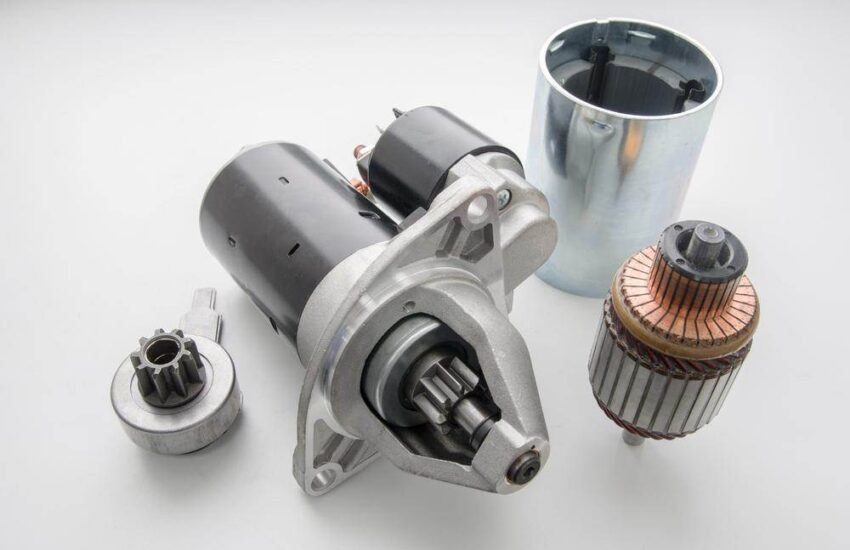
How to Tell if the Starter Relay is Faulty? Well, it’s one of the major but often overlooked components of the ignition system. The starter relay rarely fails due to the lack of moving parts.
But, when it does, some bad starter relay symptoms will make you aware of the problem. A failing starter relay means the car may not start at all.
Corroded contacts, a faulty circuit, or a worn-out relay could be the cause of the issue. You need to be vigilant and regularly check the relays to avoid sudden breakdowns.
What is a Starter Relay?
Before learning how to tell if the starter relay is faulty, let’s find out what a starter relay does and its basic functions within the car’s system.
A starter relay is an electrical component that controls your vehicle’s starter and solenoid circuit. It is a high-current switch that provides electricity to your car’s starter. It is normally controlled by the ignition switch circuit.
When you turn the ignition key, a small amount of electricity is sent from the battery to the starter relay.
This triggers the relay, allowing a much larger amount of electricity to travel from the battery to the starter. The starter then starts the engine and your vehicle begins to move.
In your starting circuit, a fully functional starter relay is a crucial safety element. The car will not start if the starter relay fails. This prevents the car from starting if the starter or any other component of the electrical system fails.
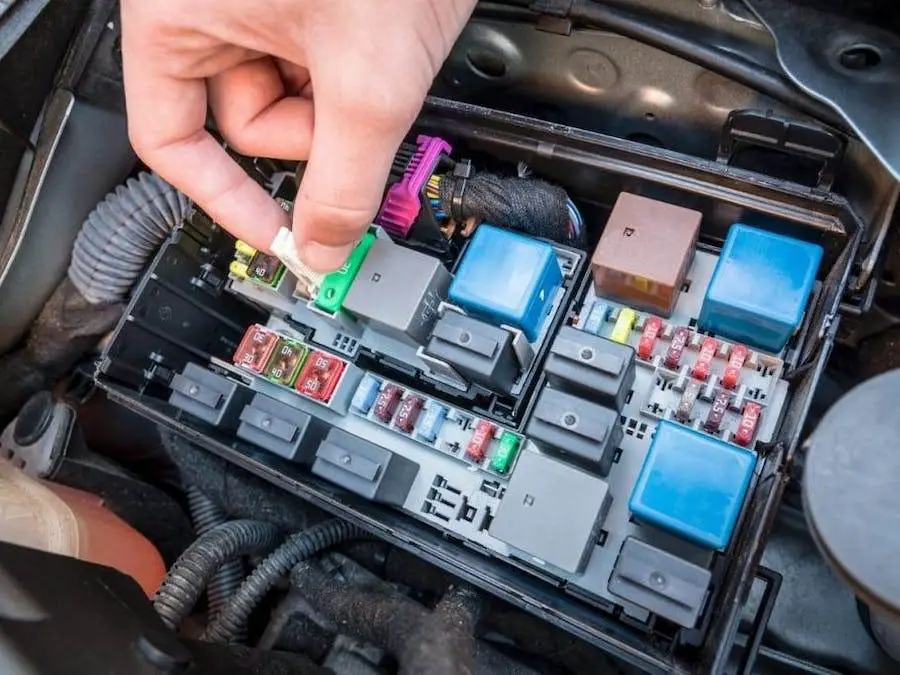
How to Tell if the Starter Relay is Faulty?
The main function of a starter relay is to act as a switch for the starter solenoid by activating a large current flow from a smaller one generated by the ignition switch circuit.
The same applies to the starter when it comes to a motor vehicle. Due to the low price, replacing the component is the best option if it fails.
So, how to tell if the starter relay is faulty or not? Well, here are the warning signs to be aware of:
1. The Vehicle is Dead
The most obvious symptom is a completely silent car that does not respond when you turn the ignition key. Once you turn the key or press the start button, it will send a signal to the starter relay, causing current to flow through the relay coil.
The current eventually passes through the starter solenoid and the motor, causing the engine to start.
But these things do not happen when the relay is faulty or damaged. When the car does not start after turning the ignition switch, check if the battery is dead or not. If everything is fine, the problem is certainly with the starter relay.

2. Starter Clicking
This happens when the relay cannot send a complete signal. The relay either sends a full electrical signal or nothing.
But a damaged or worn relay that hasn’t completely failed may attempt to close the contacts repeatedly during on and off cycles. The unsuccessful attempts result in rapid clicking or another annoying bad sound from the starter relay.
This particular problem is the byproduct of an old relay and corroded or dirty contacts. A battery with low amperage can cause the same problem. So be sure to check it before deciding to change the relay.
SEE MORE
- Think the car won’t start? Don’t get fed up, try these solutions instead!
- What kind of sounds does a bad starter make?
3. Occasional Vehicle Starting Failures
Among the symptoms of a bad relay, this one can also be easy to notice. A fully functional starter relay will transmit power to the starter every time it is engaged.
But damage could occur due to dirt, overheating, and other issues, reinforcing the starter’s irregular operation. A poor wire connection or greasy contacts due to exposure under the hood could also be the cause.
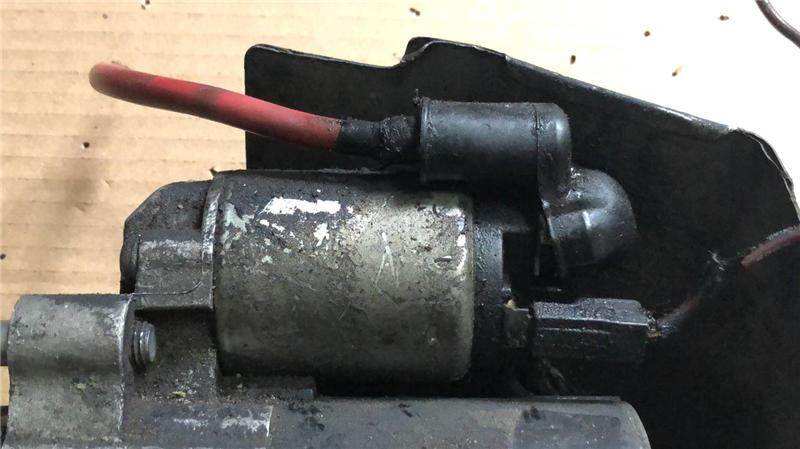
Checking the wires, cleaning the contacts, and repairing broken wires will solve this problem.
4. The Starter Does Not Shut Off
Turning the ignition key to the start position causes the starter relay to operate the starter solenoid and motor.
Turning the key off is supposed to create the opposite reaction. There is a problem with the starter relay when it does not follow this normal operating path.
You should be concerned if it remains on long after the engine has started. The possible reason could be the contacts welding together due to overheating or exposure to a high current volume.
FAQ on Starter Relay and Bad Starter Symptoms
- Are a starter relay and a starter solenoid the same thing?
The starter solenoid is often referred to as the starter relay, but in many vehicles, this term refers to a different relay that supplies electricity to the starter solenoid.
In these circumstances, the ignition switch activates the starter relay, which in turn activates the starter solenoid, which in turn activates the starter.
- Can you start a car with bad starter symptoms?
No, you cannot start a car with a faulty starter relay. The starter relay must be in good working order to start an automobile.
If the starter relay is not working properly, the starter will not receive the necessary power and the car will not start.
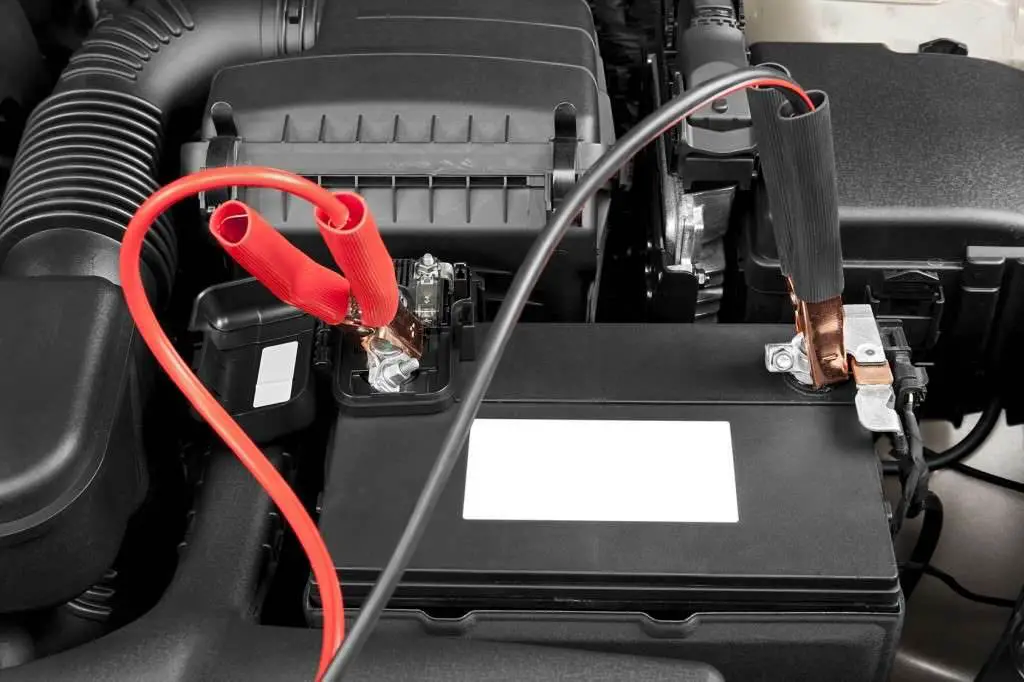
A jump start will only provide enough battery fluid to start the engine; it will not fix a faulty starter relay. If your starter relay fails, you need to replace it with a new one.
- How to bypass a starter relay?
By connecting the relay’s power input and output pins, you can bypass the starter relay. However, you need to use a wiring diagram and a multimeter to ensure you are doing it correctly.
- How long does the starter relay last?
There is no conclusive answer to this as starter relays vary greatly in quality and longevity. However, many experts state that the typical lifespan of a starter relay is between 50,000 and 100,000 kilometers.
This indicates that the lifespan of your starter relay should be between 4 and 8 years. This is only a rough estimate; your mileage may vary.
- How much does it cost to replace the starter relay?
Depending on the type of car and labor costs, the typical starter relay repair costs between $55 and $80. Starter relay parts should cost around $20, with labor ranging from $25 to $60.
Replacing a starter relay is a simple task that does not require the use of any specialized equipment. If you are a DIYer, you may want to save money by replacing the starter relay yourself.
Conclusion
We have just learned how to tell if the starter relay is faulty with the symptoms of a bad relay noted in detail. I hope you find this information interesting!